Thomas Simoes: France
Before joining the Football Industries MBA, I built more than a decade of international experience in Diplomacy within the global network of the Institut Français and the Alliance Française.
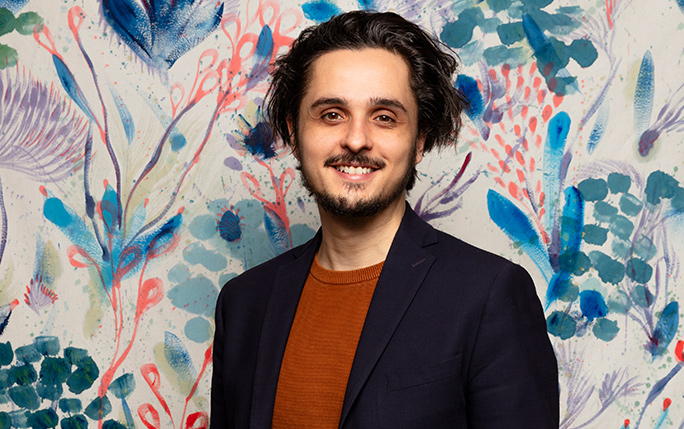
I served as Executive Director of Alliance Française institutions in several countries, including India, Indonesia and Colombia, where I was Executive Director of Educational and Cultural Centres, leading multicultural teams, developing partnerships with public and private partners, and overseeing cultural and training programmes.
My current work at Institut Français Paris, as Head of Development, focused on strategic development, international cooperation and the design of innovative programmes connecting culture, education and society.
I contribute to the development of training programmes and professional development initiatives for the global network of cultural and educational institutions spread all over the world for the French diplomatic services.
This background has led me to explore new ways of connecting diplomacy, culture and sport, which ultimately motivated my decision to pursue the Football Industries MBA (FIMBA).
Why did you decide to study an MBA at this point in your career?
I decided to join the FIMBA because I wanted to combine my international management experience with my long-standing interest in football and its global cultural impact.
After more than ten years working in cultural diplomacy with the Institut Français and the Alliance Française, managing institutions and developing international partnerships across several countries, I became increasingly interested in how football operates as a powerful global industry that connects communities, cultures and economies.
Why did you choose the Management School?
FIMBA offers a unique opportunity to understand the strategic, financial and governance dimensions of the game while building a professional network within the football ecosystem.
What aspects of the MBA programme have you enjoyed most so far?
One of the aspects I have enjoyed the most so far is the combination of academic analysis and real-world football industry perspectives. The programme encourages us to critically analyse how football organisations operate, from governance and leadership to financial and strategic decision-making.
I particularly appreciate how the coursework is connected to real cases within the football industry, which allows us to better understand the challenges clubs and governing bodies face today. I now have the feeling that I fully understand the landscape of the beautiful game.
Another aspect I have enjoyed is the diversity of the cohort. Online students come from different countries and professional backgrounds, which creates very interesting discussions and allows us to exchange perspectives on how football is managed and experienced around the world.
Finally, the field trip in Lisbon and interactions with professionals from the industry provided us with valuable insights and helped bridge the gap between academic learning and the realities of the football business.
What skills or knowledge do you feel you’ve developed since starting the MBA?
I feel that I have significantly developed my understanding of the football industry from both a strategic and analytical perspective.
The programme has strengthened my ability to critically analyse how football organisations operate, particularly in areas such as governance, leadership, and financial management.
I have also improved my analytical and research skills through academic assignments that require applying management theories to real football industry cases.
This has helped me better understand the complex ecosystem of football, including the relationships between clubs, leagues, governing bodies and commercial partners.
Finally, the programme has helped me develop a more strategic mindset when thinking about the global development of football organisations, which complements my previous international management experience.
What do you do when not studying?
I continue working full-time at the Institut Français, where I am involved in the development of training programmes and professional initiatives for the global network of cultural and educational institutions.
This work keeps me closely connected to international cooperation and project development, football being one of the aspects I would like to develop.
I am also involved locally in cultural initiatives. I sit on the board of Maison Gutenberg, a cultural and social space that brings together artistic, educational and community projects.
In the coming weeks, I’ll start volunteering to support initiatives that help welcome Afghan and Iranian refugees in Paris. This commitment is also an opportunity for me to continue learning languages and cultures, as I started to learn Persian 6 years ago.
Beyond these activities, I remain very engaged with football culture, regularly attending matches and taking part in discussions and media projects around the game.