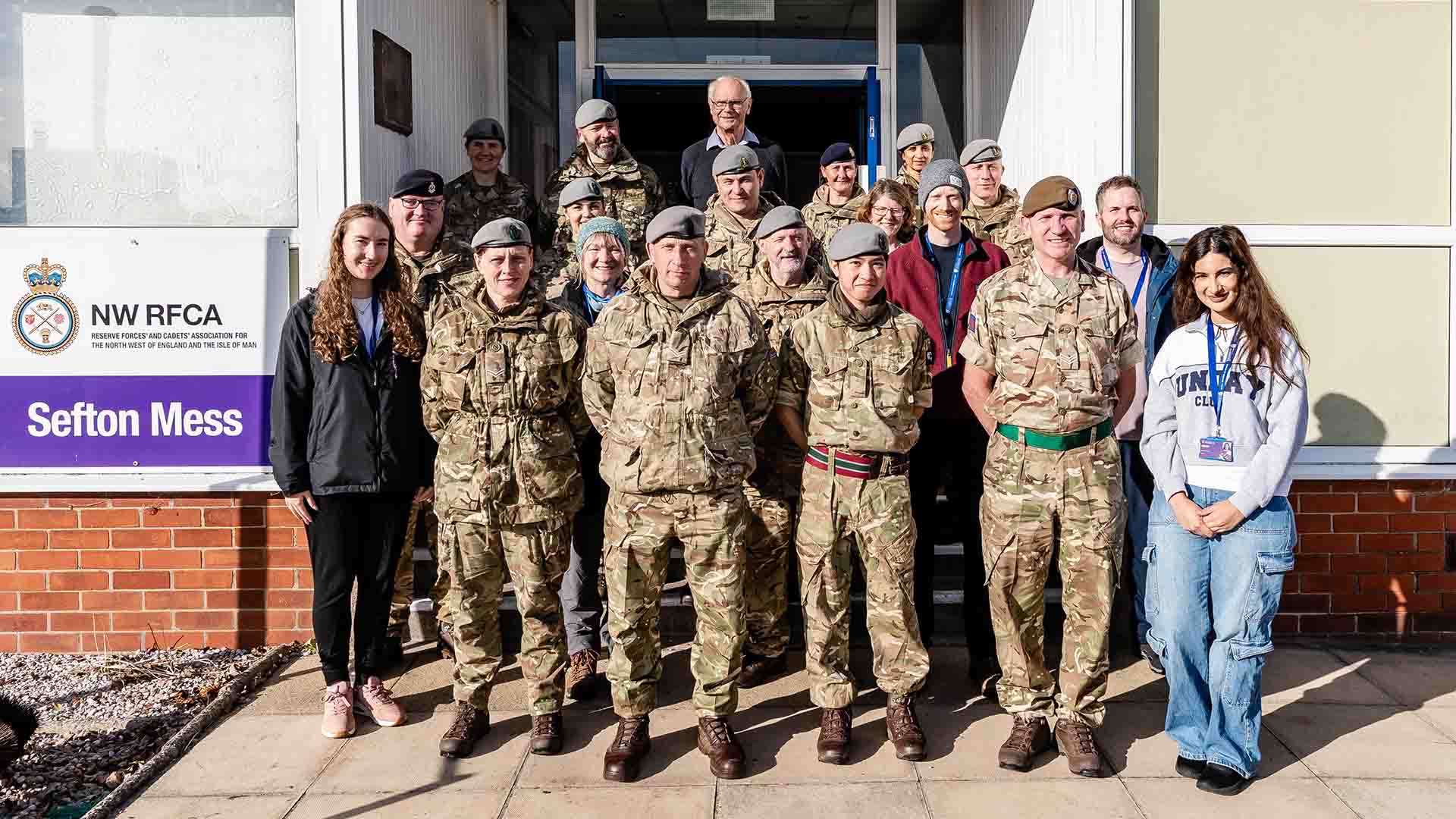
This term, First Year Student Doctors from the School of Medicine took part in a leadership and team-building experience at Altcar training camp, continuing a collaboration with Army medical personnel that now enters its tenth year.
The visit, organised by the Year 1 Team alongside Professor Emeritus John Earis, brought students together with instructors from Liverpool’s 206 Multi-Role Medical Regiment for a day of non-medical planning and command exercises designed to challenge participants both mentally and physically. Over the past decade, the programme has become a cornerstone of the MBChB curriculum, introducing students early in their training to the realities of leadership, teamwork and decision-making under pressure.
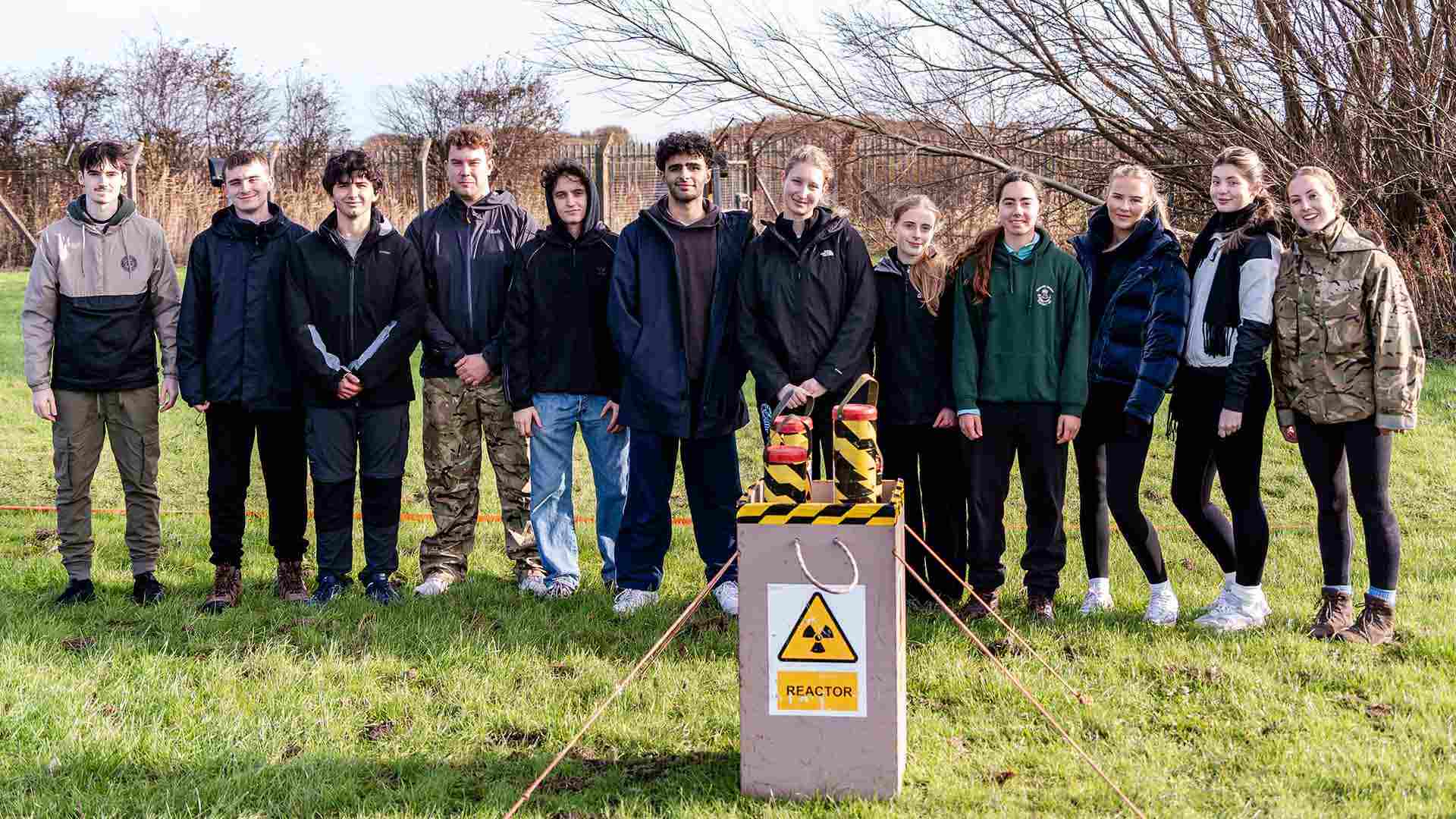
Professor Earis explained the value of the experience for students at the very start of their medical careers:
“The students gain valuable experience of working as part of a team, with everyone having the opportunity to step into a leadership role. Because the groups are deliberately mixed, they’re meeting new people and forming new connections — relationships that we know from previous years often continue throughout their professional careers. While the day is enjoyable, it also encourages students to learn a great deal about themselves and how others respond in different situations through the range of activities”.
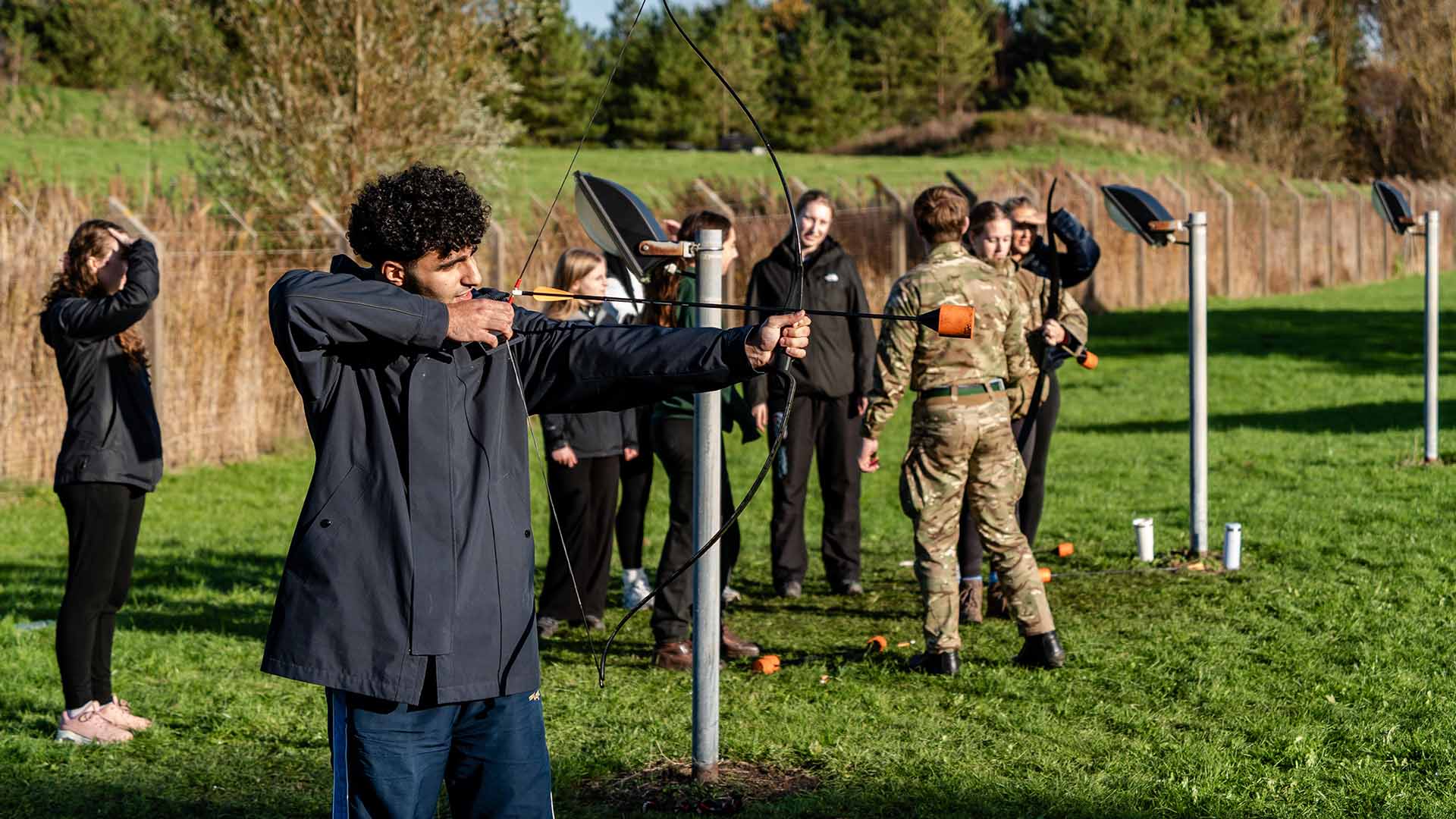
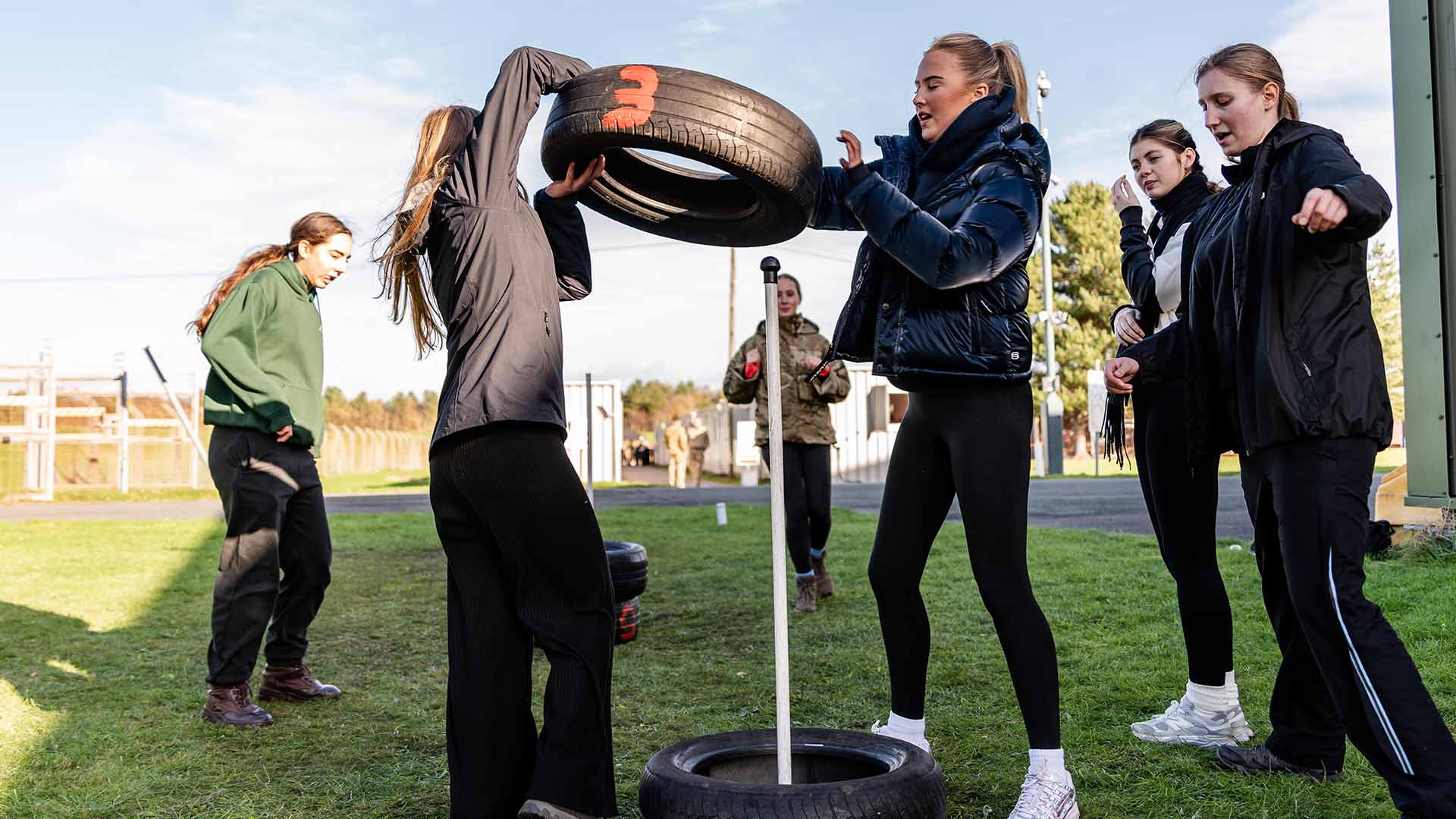
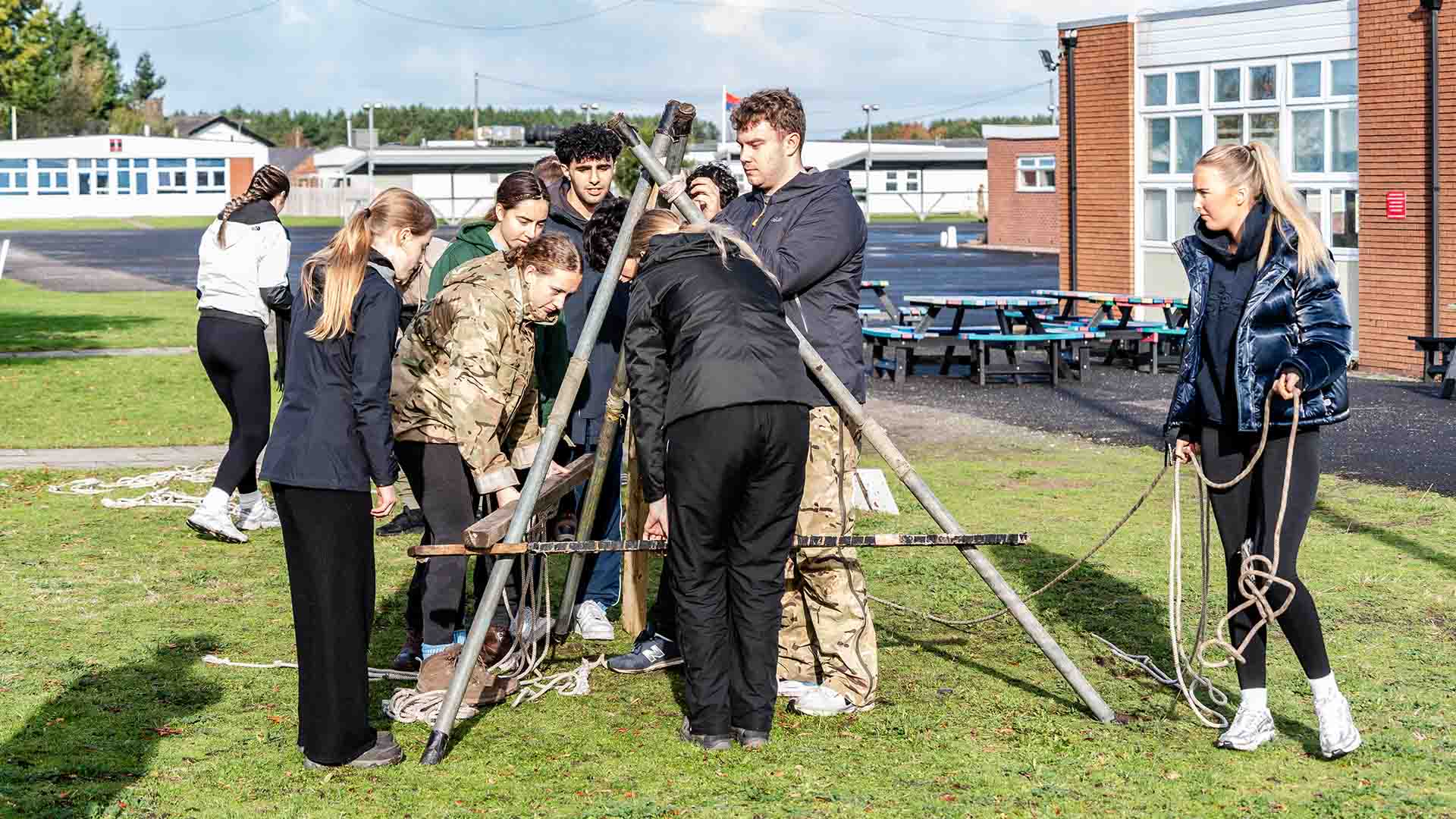
Throughout the day, students rotated through six different stations, electing a new leader for each task. Leaders were responsible for assessing the scenario, forming a plan and delegating responsibilities within their group, while other students were encouraged to contribute ideas and challenge assumptions. Groups were deliberately made up of students who had not previously worked together, reflecting the challenges of multidisciplinary teamwork that graduates will encounter in clinical environments.
The exercises mirror real-life scenarios used by the Armed Forces in Officer Recruitment Training and align closely with the MBChB programme’s ‘Clinical Team’ theme, which focuses on self-awareness, understanding others and effective collaboration. After each task, students were invited to give feedback on both team and leadership performance, before receiving commentary from Army instructors on how their approach related to clinical practice.
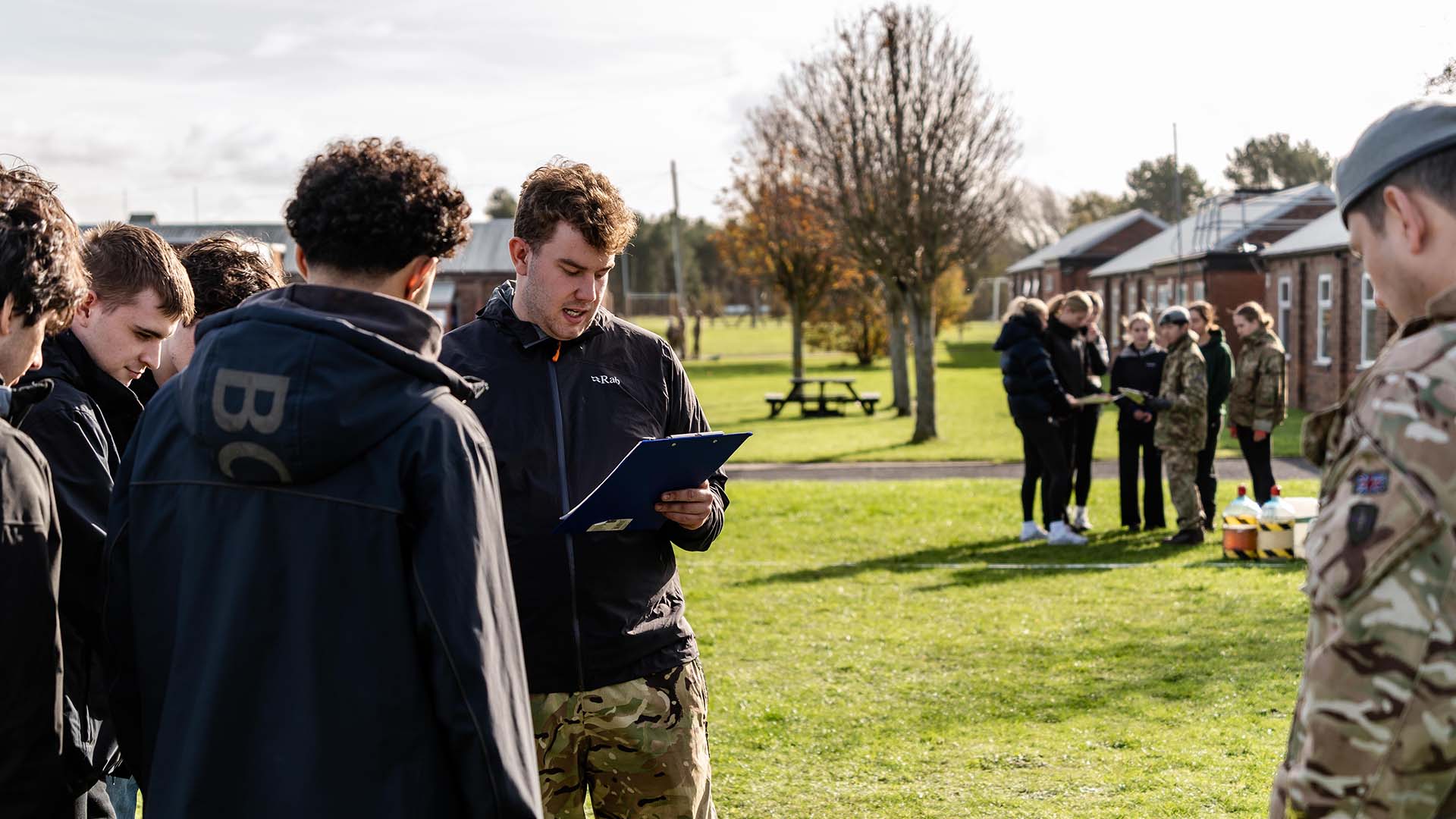
Key themes emerging from the day included the importance of listening, building effective organisational structures and assessing complex situations under pressure. Students were also encouraged to reflect on different leadership styles, exploring how contrasting approaches can be combined to achieve shared goals.
For many first-year students, the experience also supported their wider transition into university life. Student Doctor Iris Muscroft reflected on the importance of connection and belonging:
“There’s been a lot of support available to us and I really like the city. I’m originally from Somerset, so it’s quite far away and a big move. As the weeks go by, I’m starting to settle into a routine and make more friends. I did attend the MDVP medics football match which was quite a nice way to mingle with the older years too”.
Fellow Student Doctor Maisie McLay highlighted how the activities helped groups bond quickly:
“It was really fun and the competitive element was a real twist on what we do normally. It was also just a nice break from the academic work we’ve done so far”.
Student Doctor Owen Evans also noted the value of the day in developing communication skills:
“It’s been nice to meet new people and talk to them in a situation which is more than just a lecture hall. Having to do something constructive and think outside the box has made us approach our relationship building differently – I think by the end of the day we were all open to voicing our opinions compared to when we did the first task in the morning”.
Year One Director Dr Anna Stickland emphasised the broader role the experience plays in helping students adapt to medical school:
“Starting university involves a whole series of changes — it’s not only about relocating to a new city, but learning to navigate the campus, finding where teaching takes place, and, above all, feeling settled and connected to the school community. This week gives students the chance to work collaboratively with people they may not yet know, in unfamiliar environments and towards shared objectives. It’s about building relationships, while also recognising that everyone brings their own strengths and abilities to a team. While today’s focus is on a teambuilding exercise, these same skills will be essential later on, whether students are supporting each other’s learning or working together on placement and in clinical settings.”.
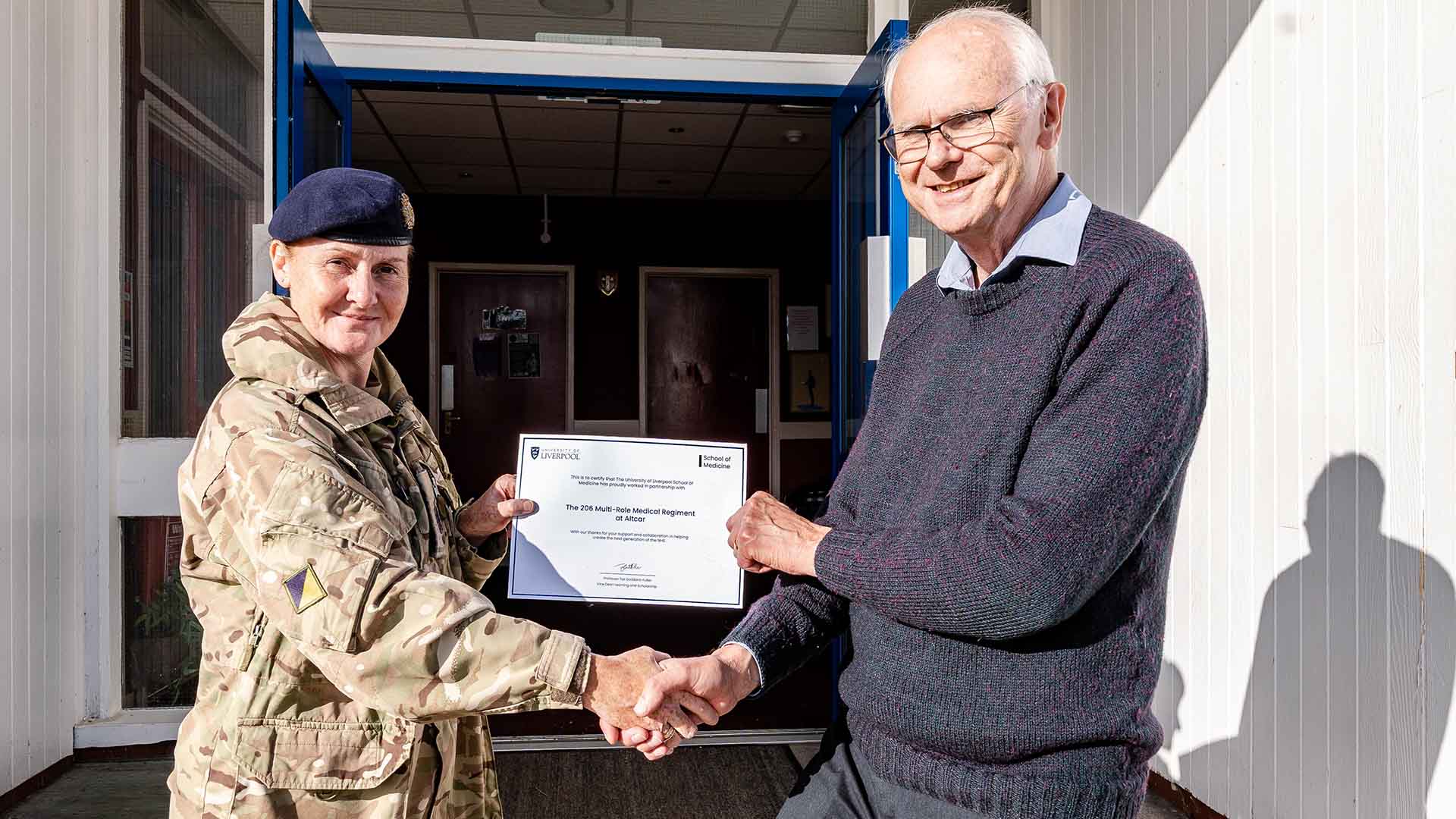 WO1 Toni Hill with Professor Emeritus John Earis
The partnership between the School of Medicine and 206 Field Hospital was originally developed by Professor Earis alongside Army colleagues to address the growing recognition that leadership and management skills are essential to high-quality patient care. Ten years on, the collaboration continues to evolve, offering students a distinctive learning experience that complements their academic and clinical training.
The School of Medicine extends its thanks to Professor Earis, the entire team at 206 MMR, 208 Field Hospital and all Army personnel involved in delivering the programme. Additional thanks are also given to Sgt Damon Williams, WO1 Toni Hill, Lt Col Anne
Phillips, Sgt Rachel Lemonofides and the RAF team at Altcar for their support in facilitating another successful event.
Well done to all Year One Student Doctors for their enthusiasm, teamwork and commitment during a memorable day at Altcar.