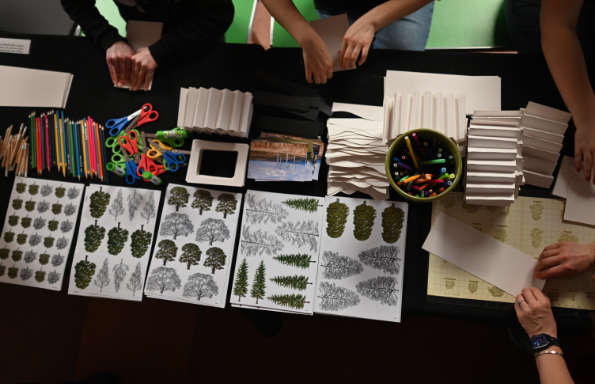
Researchers at the Liverpool School of Architecture are leading a new project that combines feminist historical mapping with innovative environmental education to support a national teaching resource for schools, museums and heritage organisations.
At the centre of the project is Feminist Cartographies, an ambitious mapping initiative that will document the work of twentieth-century women landscape architects across the UK. Drawing on archival research and collaborative contributions from the public through the Historypin platform, the project will create the first publicly accessible digital map and database of these designed landscapes. By revealing the often-overlooked role of women in shaping Britain’s built and natural environments, the initiative aims to expand public knowledge of landscape architectural history while creating new educational resources.
The mapping research forms the basis of an action-research framework that explores how landscapes themselves can become sites of learning. Through a public engagement programme titled Landscape Stories, the project will test creative pedagogies that encourage primary-aged children to explore local landscapes as places where design, history, ecology and climate change intersect.
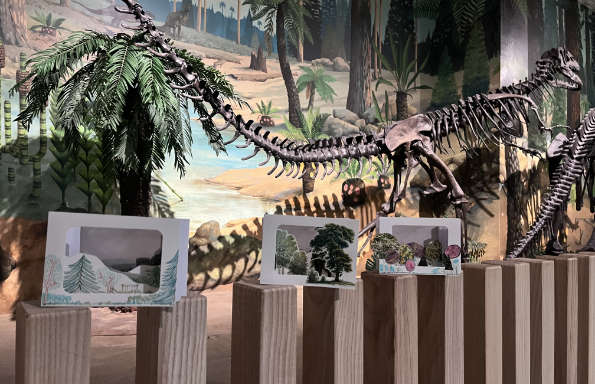
Building on earlier work from the AHRC-funded Women of the Welfare Landscape project, which investigated the role of women landscape architects in post-war public landscapes, the initiative now extends into residencies at Birmingham Botanical Gardens, the Museum of English Rural Life at the University of Reading, and the Landscape Institute. Led by Professor Luca Csepely-Knorr and supported by Postdoctoral Research Associate Dr Joy Burgess and architect and educator Laura Sanderson, these residencies will allow the project team to work closely with archives and heritage organisations to test creative approaches to environmental learning. They will also explore how cultural organisations can rethink their own histories and public interpretation from the perspectives of gender and climate education.
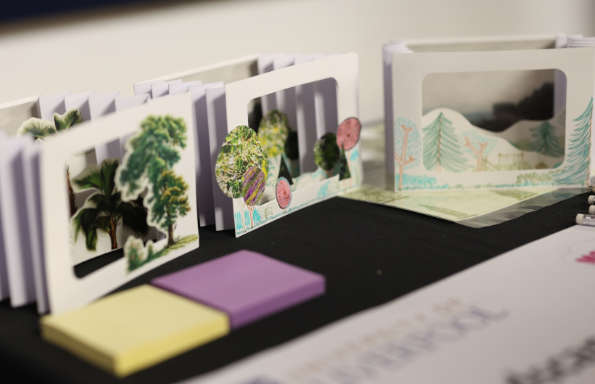
The residencies provide opportunities to develop and test the project’s educational toolkit in real-world contexts, refining creative teaching approaches through collaboration with partner organisations, schools and trainee teachers. Once completed, a freely accessible educational toolkit for Key Stage 2 teachers, including the digital map, classroom resources and workshop guides will become available. The resource will enable schools across the UK to explore local designed landscapes while learning about the people who created them and the environmental challenges they face today. By connecting feminist historical research with creative environmental pedagogy, the project aims to support teachers in introducing climate literacy, inclusive histories and place-based learning into classrooms nationwide.
This project is supported by an AHRC IAA salaried secondment award.
Click here to visit the Landscape || Gender || Environment research cluster