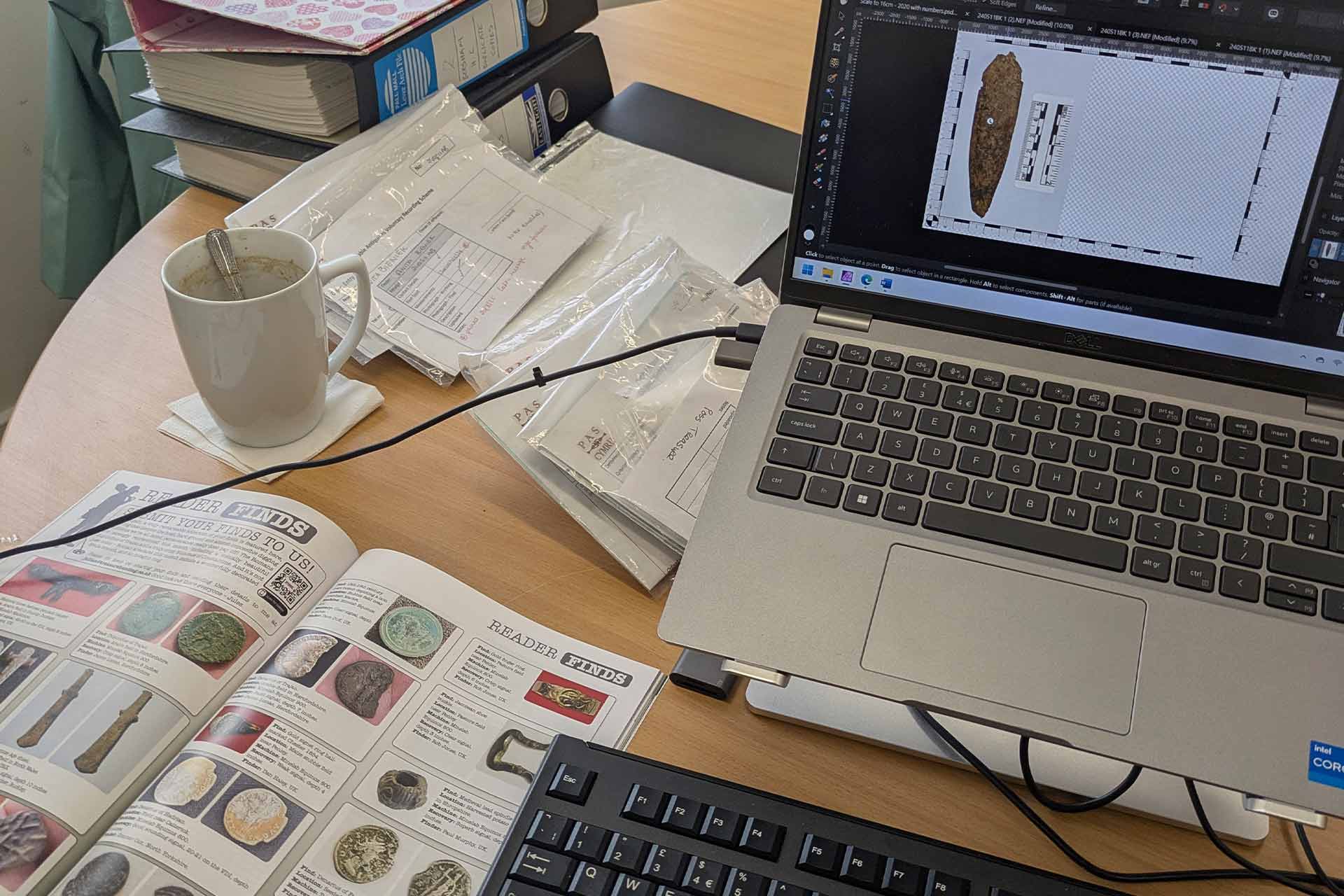
In this first blog post, I introduce PAS Cymru and reflect on how I came to undertake this placement, before exploring my first two days in the office. I discuss my initial impressions, the skills I began developing straight away, and the hands-on experience of recording and researching finds, which set the tone for an incredibly rewarding placement!
I am Yoana Nikolova, an undergraduate archaeology student from the University of Liverpool, with a keen interest in the heritage industry, who had the absolute pleasure of taking part in a placement run by the Portable Antiquities Scheme Wales (PAS). This placement was amongst the many opportunities offered to me by my university at the end of my second year, and what attracted me to this placement was the organisation, their work, and the invaluable experience I knew I’d get. Later on, I knew I had made the completely right choice!
What is PAS?
As a little introduction, PAS Cymru is an organisation, created in 1997 by the government and run by the British Museum and National Museum Wales, which aims to record any small finds found by members of the public and brought in for identification, and collect those records in a vast and accessible online database, so anyone can research any type of object!
The circumstances in which people can find objects like the ones the PAS records, which have to be at least 300 years old, vary widely - a lot of the objects are found by metal detectorists, as metal detecting had a boom during COVID times when people had to isolate, so it became a widely popular hobby, mostly in rural areas. Bringing finds in for the PAS to record is voluntary, and the PAS database now has close to 2 million objects recorded (1,838,037 objects to be exact), and more and more objects are recorded every day across the country, in multiple local offices by the Finds Liaison Officers, like Susie White, whom I met during this placement.
There is a special exception for finds which have at least 10% gold or silver content - they are classed as treasure and follow the Treasure Act 1996, which gives finders the legal obligation to report any treasure finds to their local F.L.O. Coin hoards also follow a specification - there has to be 2 coins, if they are gold or silver, or at least 10 copper alloy coins, in a group for it to be classed as a hoard and to have to be reported. All this information and more can be found on the PAS website, which is easy to navigate and provides an amazing range of information about not only the objects recorded, but also has guides for different types of objects, news, events, publications, and more!
It was genuinely such an honour and delight to learn about the inner workings of the PAS over my 4 days at the office, and the skills I gained are absolutely invaluable - AND I got to not only see incredible treasure finds like a Roman coin hoard with the pot intact (read more to hear about it!) but also to record a variety of different types of objects and find a new passion in Roman fibulae!
Day 1–2: First impressions and learning new skills
Day 1
On my first day, I arrived in Wrexham at 9am and was picked up by the F.L.O. for North Wales, Susie White, who drove me to the office, so I could begin my placement. I was introduced to the PAS, and talked about its history, which I found fascinating, before I was given a laptop, a warm and friendly welcome, and started getting hands-on and recording different finds.
The system for recording and processing finds was incredibly straightforward, as everything, from the personal details of the finder to the find and exactly where it was found, was recorded on paper forms, which I then worked on digitising for the database. I encountered a multitude of objects, which were terribly exciting, especially post-medieval belt buckles, which I had never seen before! I’ve attached some examples from the PAS database that are most like the ones I worked on. It was great fun getting to know a new type of object, and cross-referencing with different examples online on the database and in books in order to find out exactly what type of belt buckle and what style it was.
The object descriptions were especially important, and I took my time researching the different finds I encountered so I was sure what I was looking at and could determine the date. Weighing and measuring the objects was also something that was essential in the recording, so people browsing the database know exactly how big the objects are, in combination with scaled photographs. In terms of location, I found it interesting that finders often used what3words to say exactly where they found the object - w3w is incredibly accurate, so it works wonders for pinpointing exact locations.
Figure 1- A copper alloy double loop oval buckle with moulded decoration, from 1550-1650AD. (WREX-ED3252):
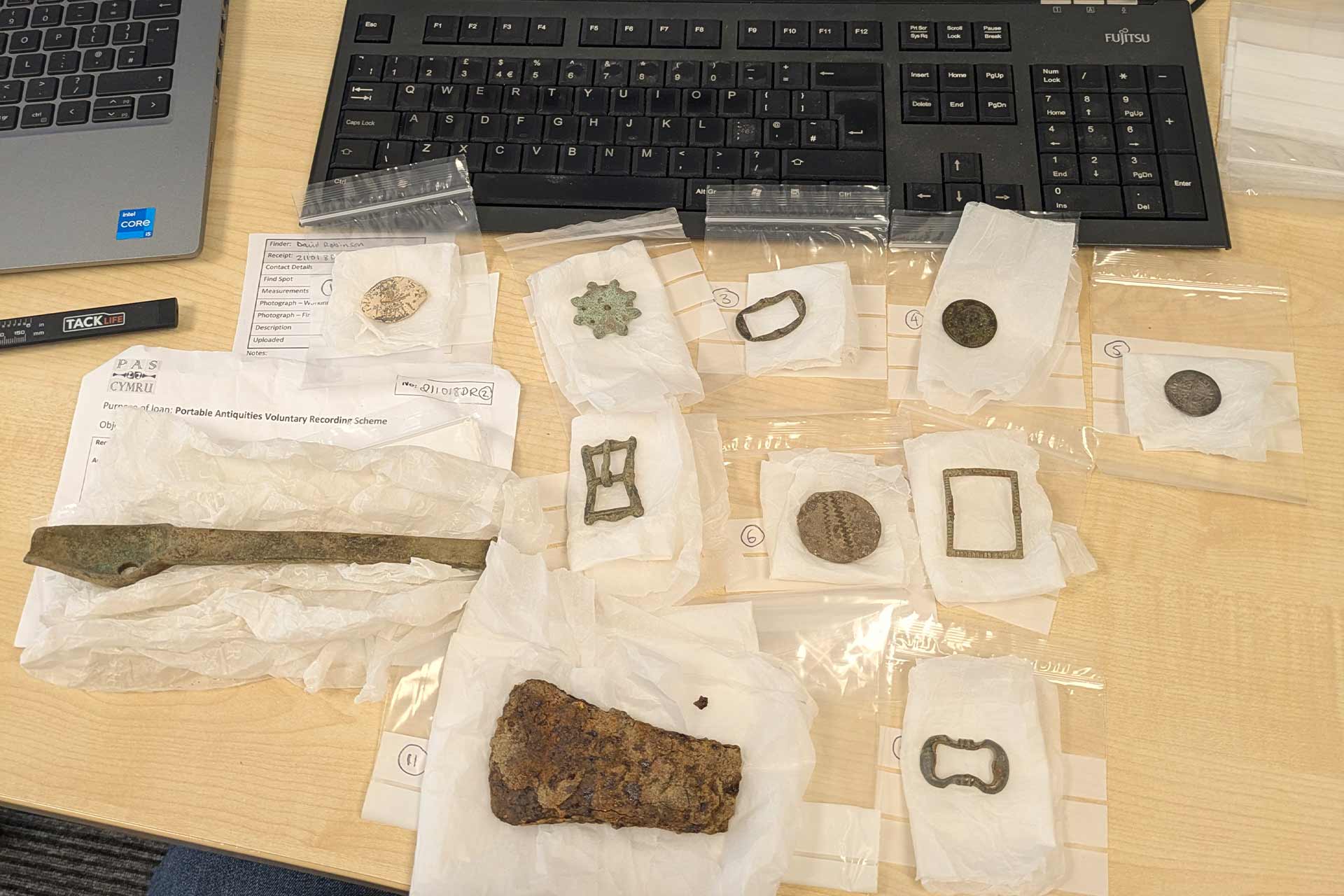
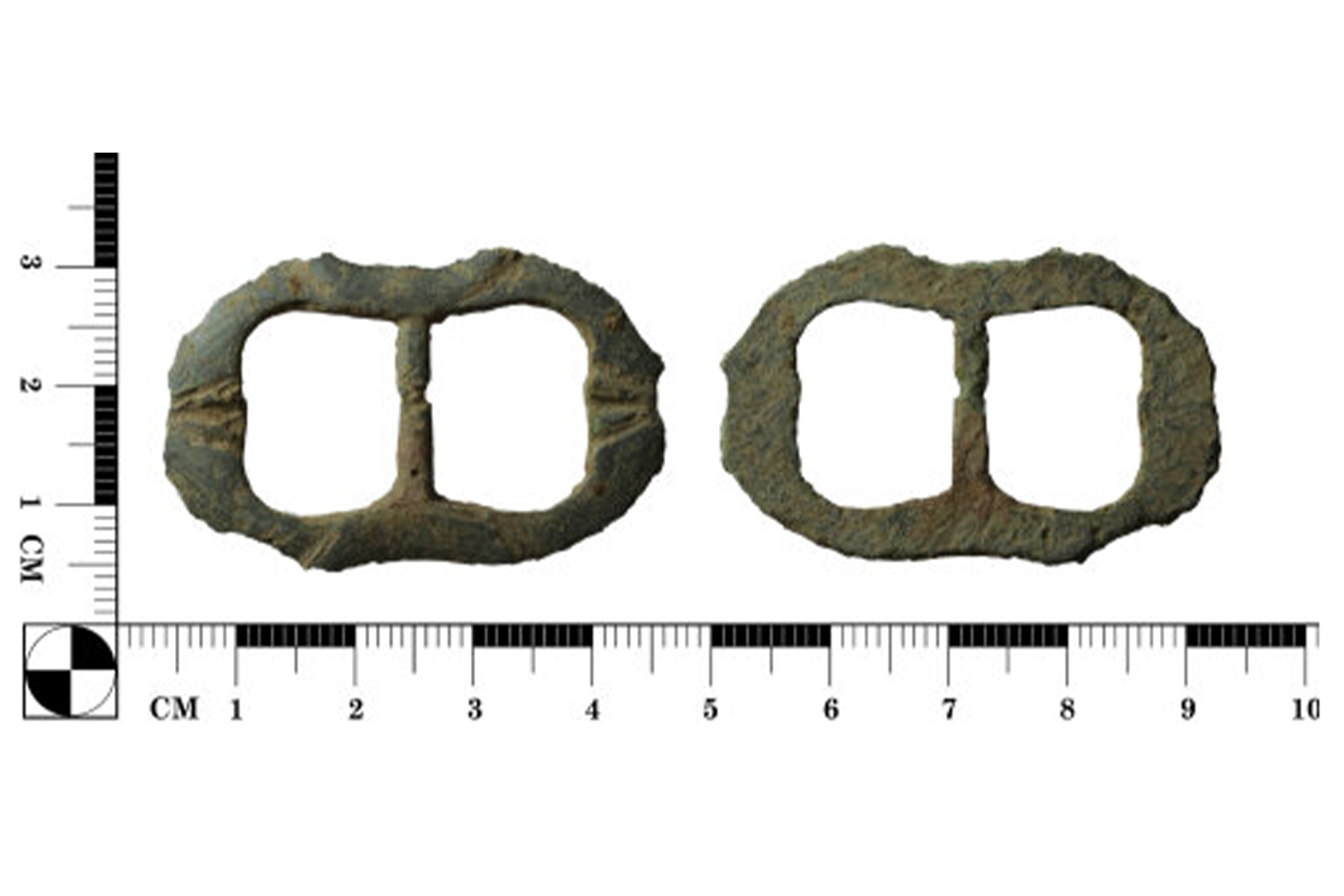 Figure 2 – An example of the variety of finds I encountered:
In my lunch break, I met Jane Apthomas, with whom I immediately got talking about everything conservation and curation related. Jane asked me if I wanted to learn about Axiell, the collections management system the Wrexham Museum uses - and who am I to say no to learning about the behind-the-scenes of museum workings! Axiell was incredibly fascinating to learn about, and I even got the chance to accession an object all on my own, under Jane’s supervision. This was an experience that definitely contributed to my knowledge of different museum collections management systems, as I am already acquainted with one, Modes, so it was beneficial to learn how to work with and use another one, Axiell! In my opinion, Axiell seems more organised at first glance, and I would prefer it over Modes, which is hard to work with sometimes.
Besides recording and processing finds, which was easily my favourite task, I also did some paperwork and organised GDPR (General Data Protection Regulation) consent forms into different folders and different categories - it’s always important to have an organised workspace, especially when it comes to important documentation like data protection forms for a multitude of individuals.
At the end of my first day, I was driven back to the train station and went home, overjoyed and looking forward to the next day!
Day 2
Day 2 started (and ended) in the same way, but I had the pleasure of learning even more new skills, this time, more computer-based. Susie demonstrated how to use Affinity Photo 2 to create PAS-quality photos by uploading photographs, editing them to enhance their quality, and then cutting out their background, before adding a scale – some of my favourite ones are below! Despite technology being technology and crashing, editing the photos was a surprisingly therapeutic task, and I really enjoyed it! It involved a lot of waiting for functions to load, but I didn’t mind, especially in the company of a cup of coffee, books about belt buckles, Roman fibulae and coins, and Susie! Learning how to use Affinity Photo 2 is definitely a skill I will keep practising and using, as it is incredible to create such professional images.
Figures 3 and 4 - Some unknown coins (which need researching to identify) with amazing quality and details:
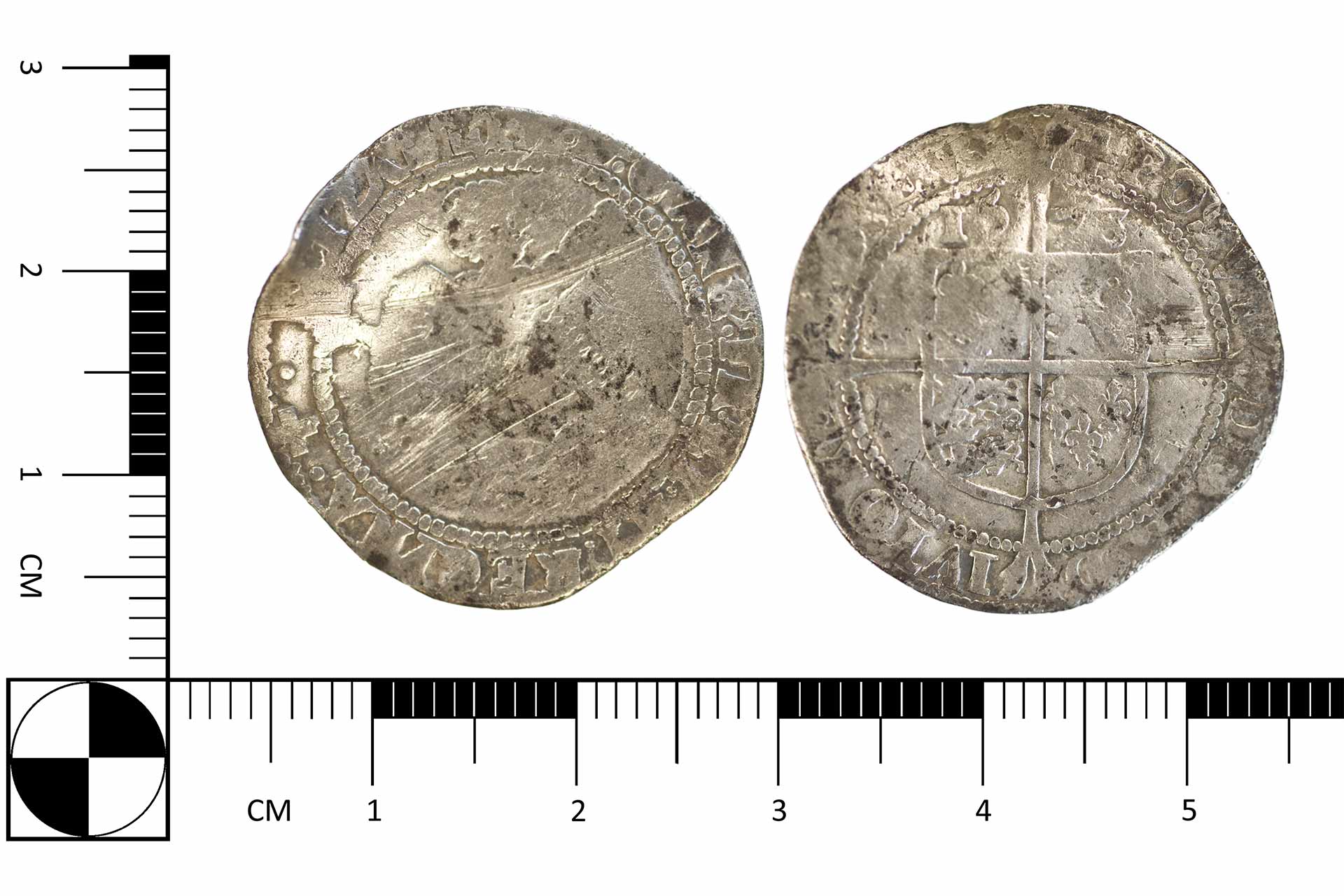
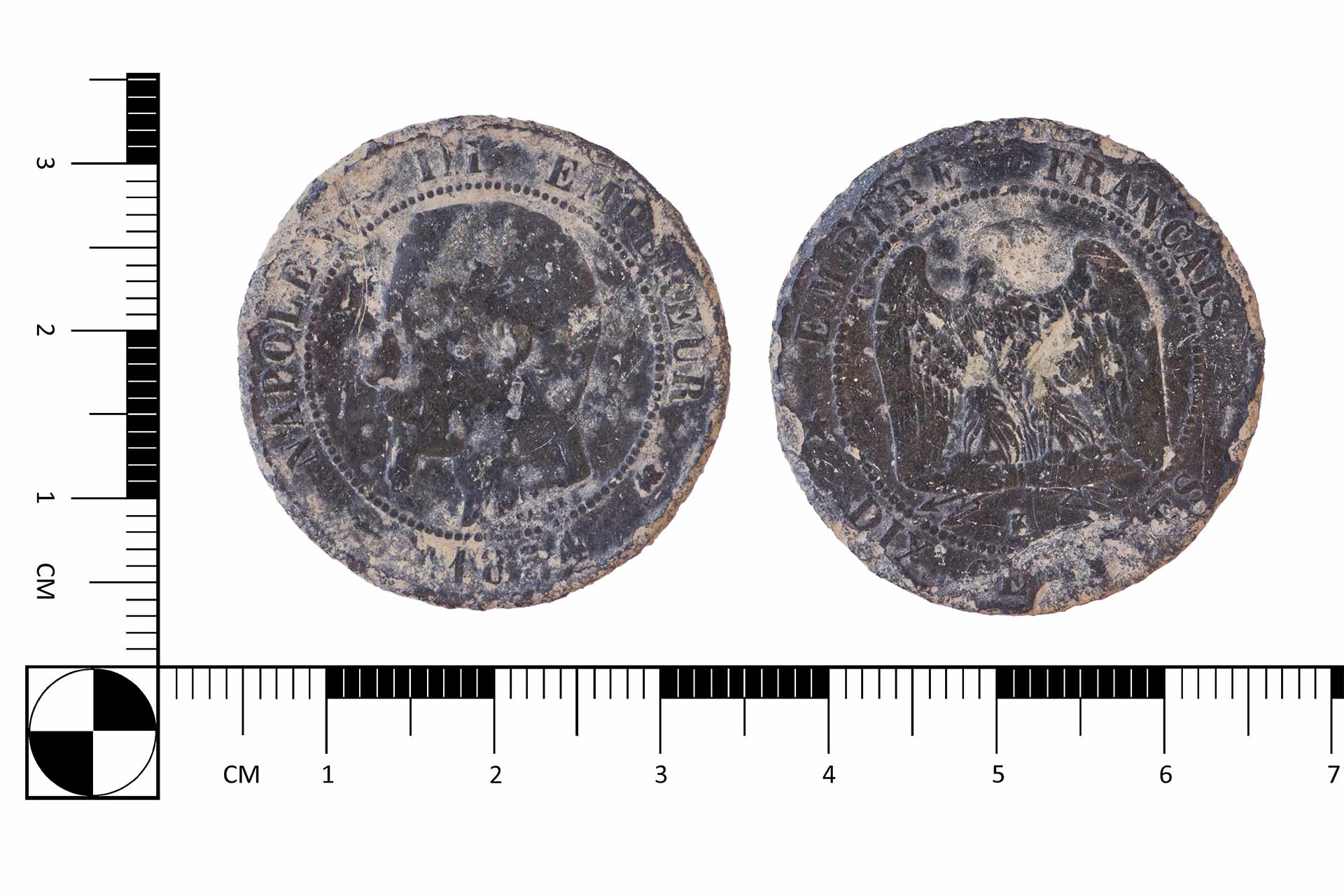
Figure 5 - A post-medieval belt buckle:
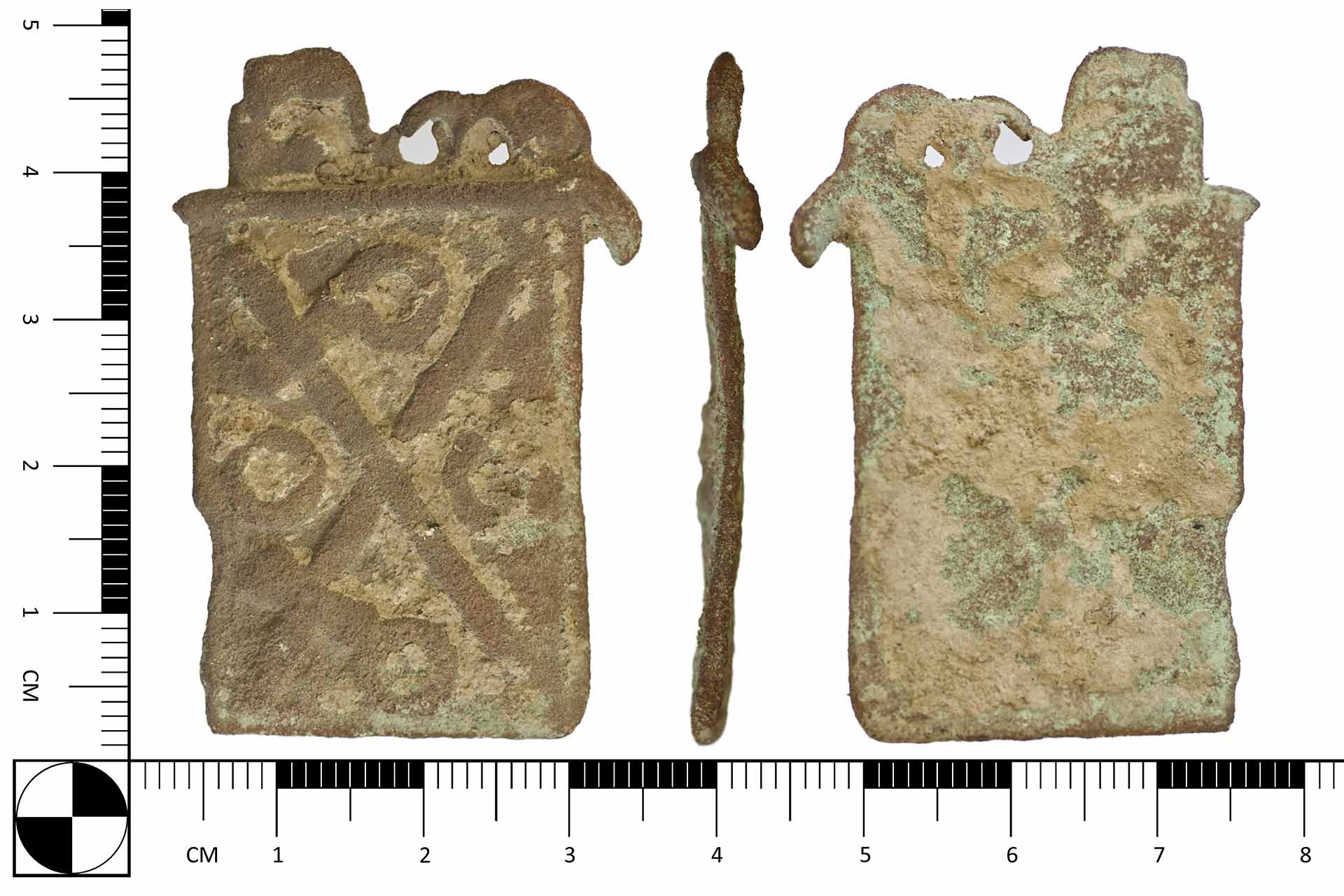
Figure 6 - Roman fibula - or brooch - used to fasten clothing:
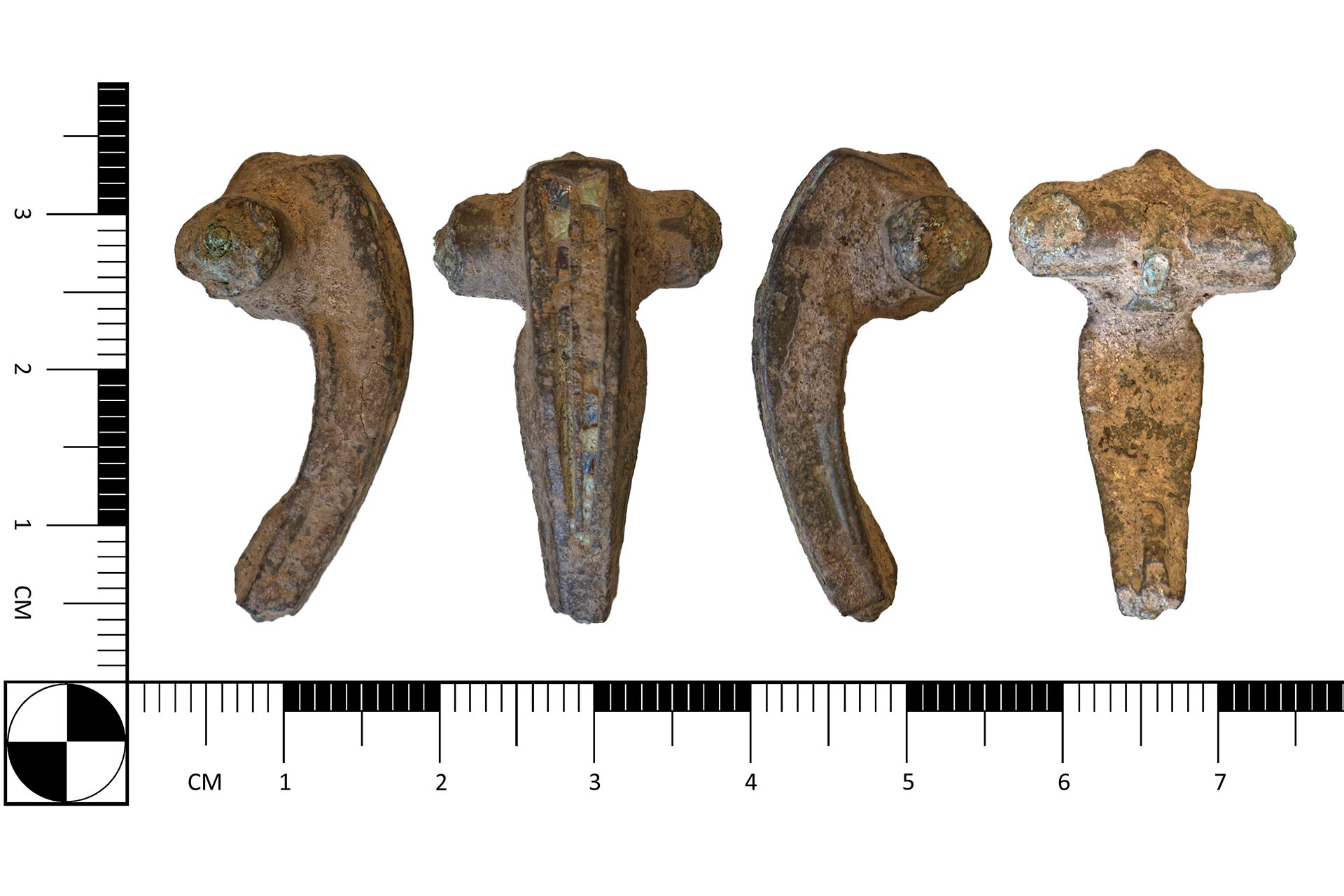
Figure 7 - A flat iron axe head – probably my favourite image as the quality is incredible:
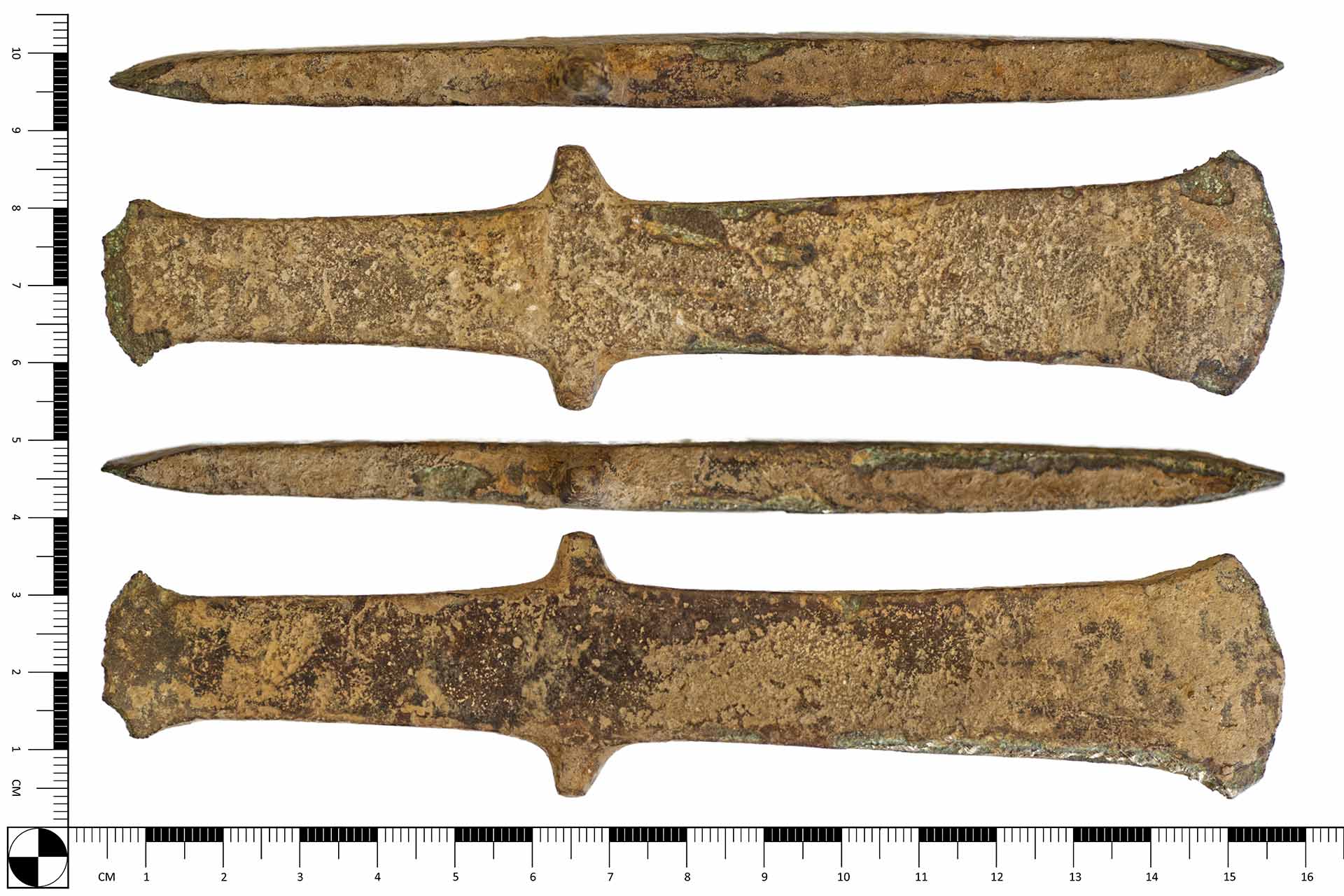
Figure 8 - A spoon! We don't really know much about it, but it is a nice object which can tell us about everyday life, with some research: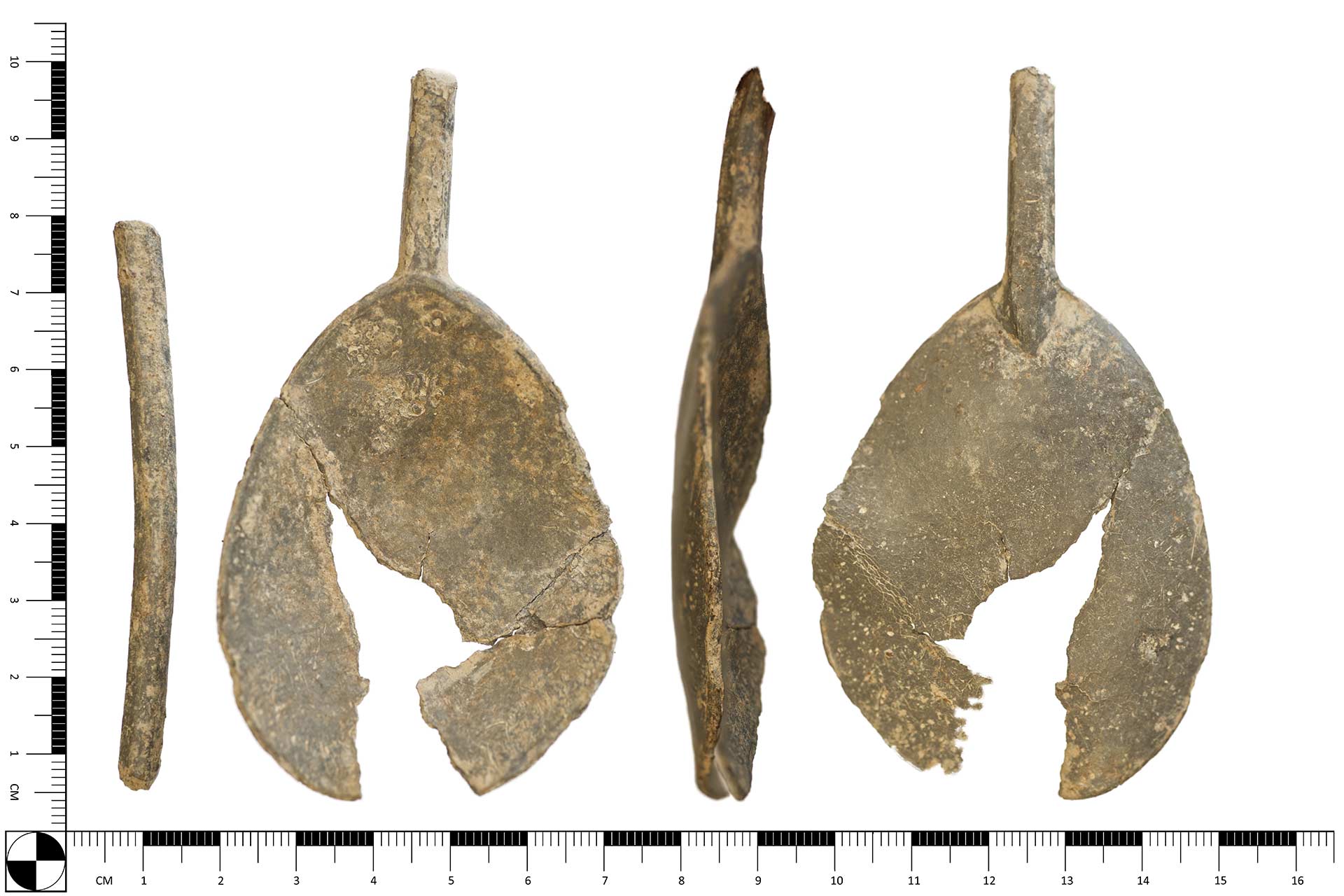
Figure 10 - I was so surprised to find the iron axe head I was editing in the Treasure Hunting magazine - what a coincidence!:

These first two days provided such a solid foundation for understanding the work of PAS Cymru and gave me the confidence to engage more independently with finds, photography, and museum systems! After a short break of a couple of weeks, I returned to Wrexham to complete the final part of my placement. In Part 2, I explore my experiences over days 3 and 4, including artefact photography, witnessing a Roman coin hoard being reported, learning about the treasure process, and reflecting on why placements like this are invaluable for archaeology students!