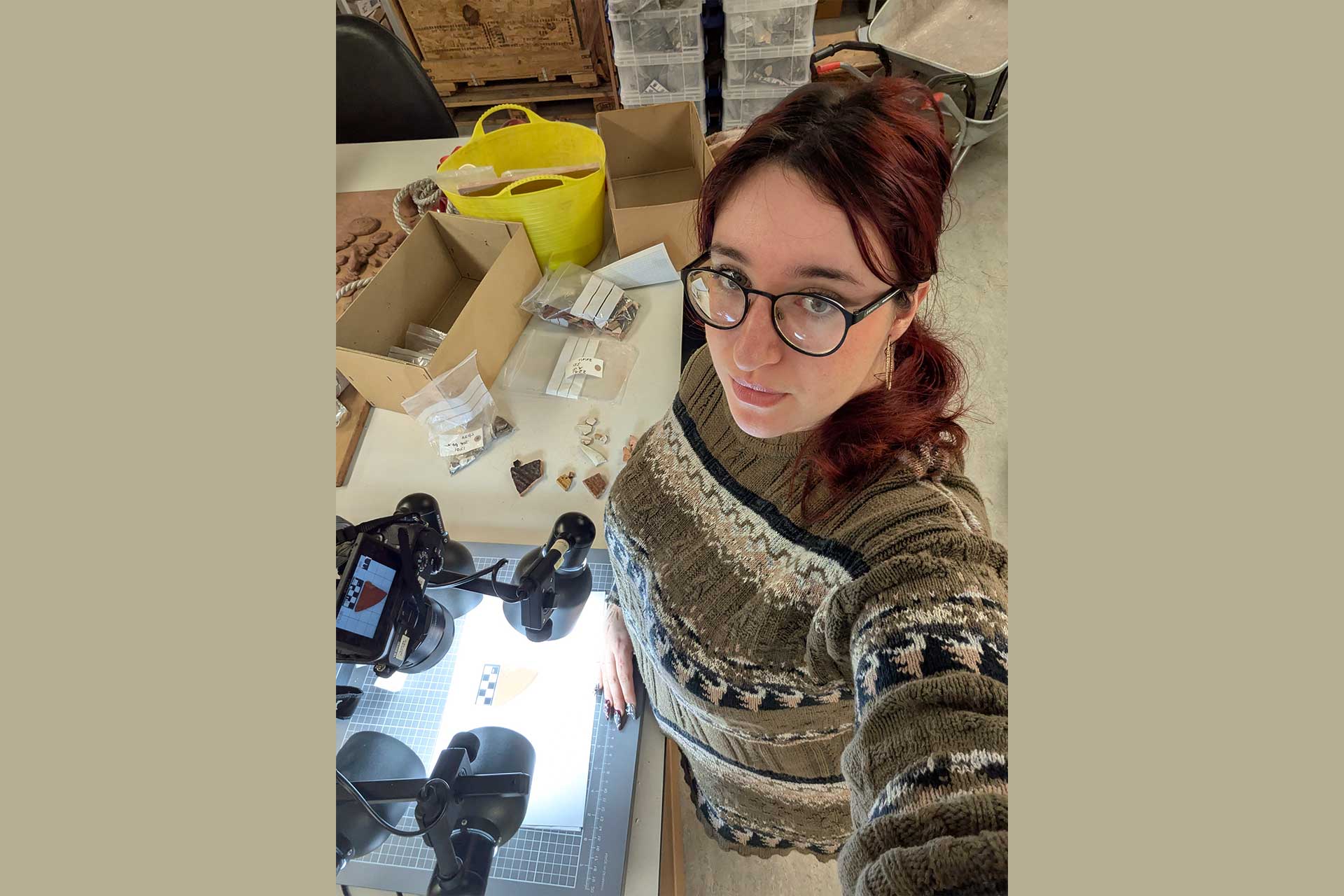
Yoana walks us through her experience of Archaeology Fieldwork.
Field experience
In my second year at the University of Liverpool, I had the incredible opportunity to volunteer on the Little Crosby excavations, building on the experiences I’d loved so much in my first year. Spending time in the trenches, uncovering the (often rather muddy!) past, and learning the rhythm of field archaeology gave me a hands-on insight into the sheer effort behind uncovering history.
My first year had been fascinating and fun, developing and deepening friendships and skills in the field, but it was during this second season that I really began to appreciate the connections between the digging, the context, and the stories that objects can tell. Whether it was carefully trowelling around a fragile ceramic object peeking from beneath the mud and rocks or uncovering a small but intricate clay pipe, every day in the trenches brought new surprises.
I remember one rainy morning when we revealed a cluster of large rocks embedded deeply in the ground, showing a pattern, I hadn’t expected - a wall of sorts, a tangible connection to the people who once lived here. It sparked a curiosity in me to explore every stage of the archaeological process - from the first hesitant trowel in the muddy ground to the slow and careful behind-the-scenes work back in the lab.
During my first year on the Little Crosby excavations, I was introduced to the fundamentals of archaeological fieldwork and heritage practice. Learning how to excavate carefully, process finds, assist with basic recording, and work collaboratively in the field gave me a grounding in the practical realities of archaeology beyond the classroom - something I was looking forward to with immense passion. What struck me most was how much archaeology relies on interpretation, teamwork, and responsibility, rather than just discovery alone. That initial season confirmed my interest in material culture and visual documentation, and laid the foundations for the more confident, independent role I would take on during my second year!
Figure 1 - The picturesque chapel at the Harkirk site in Little Crosby:
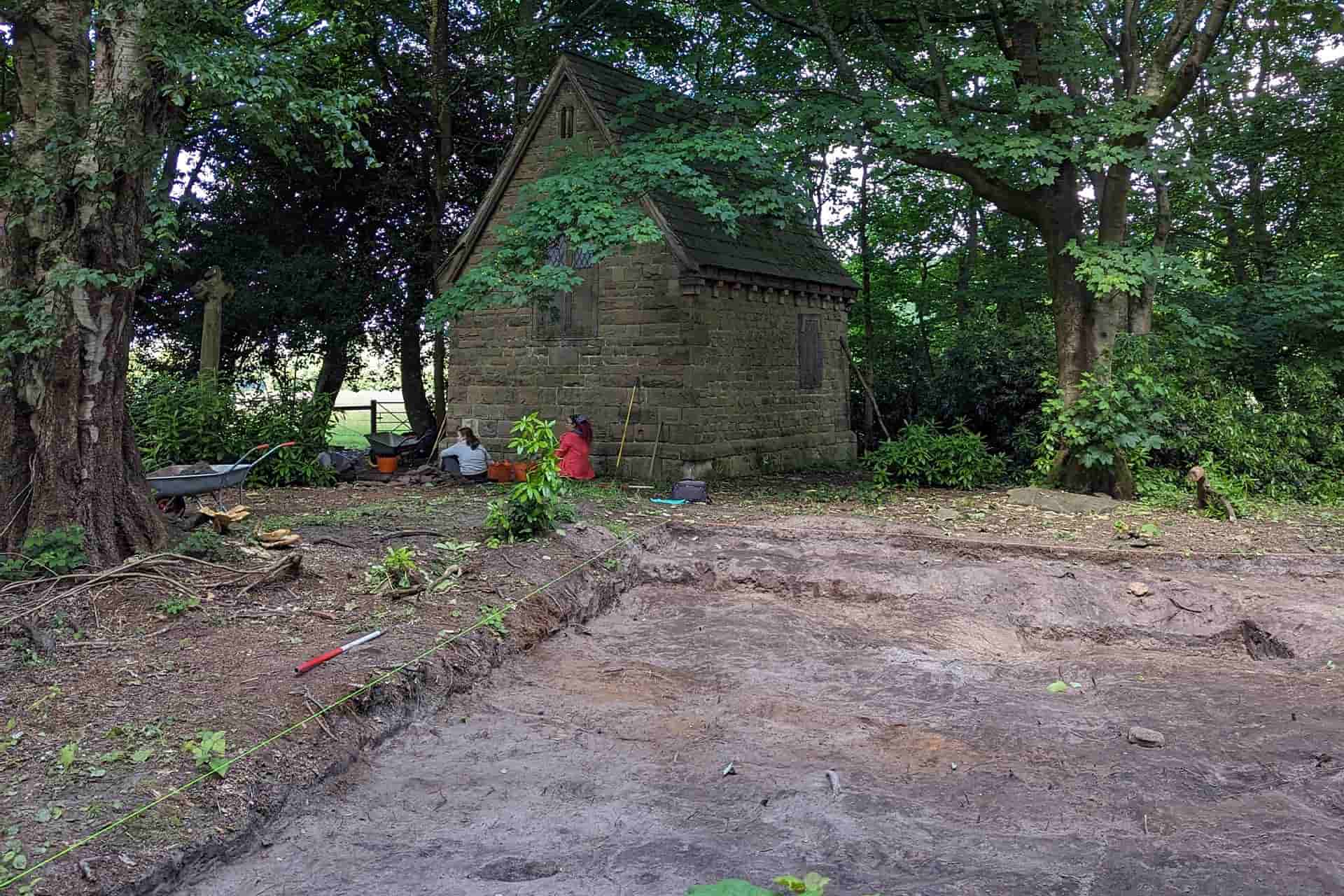
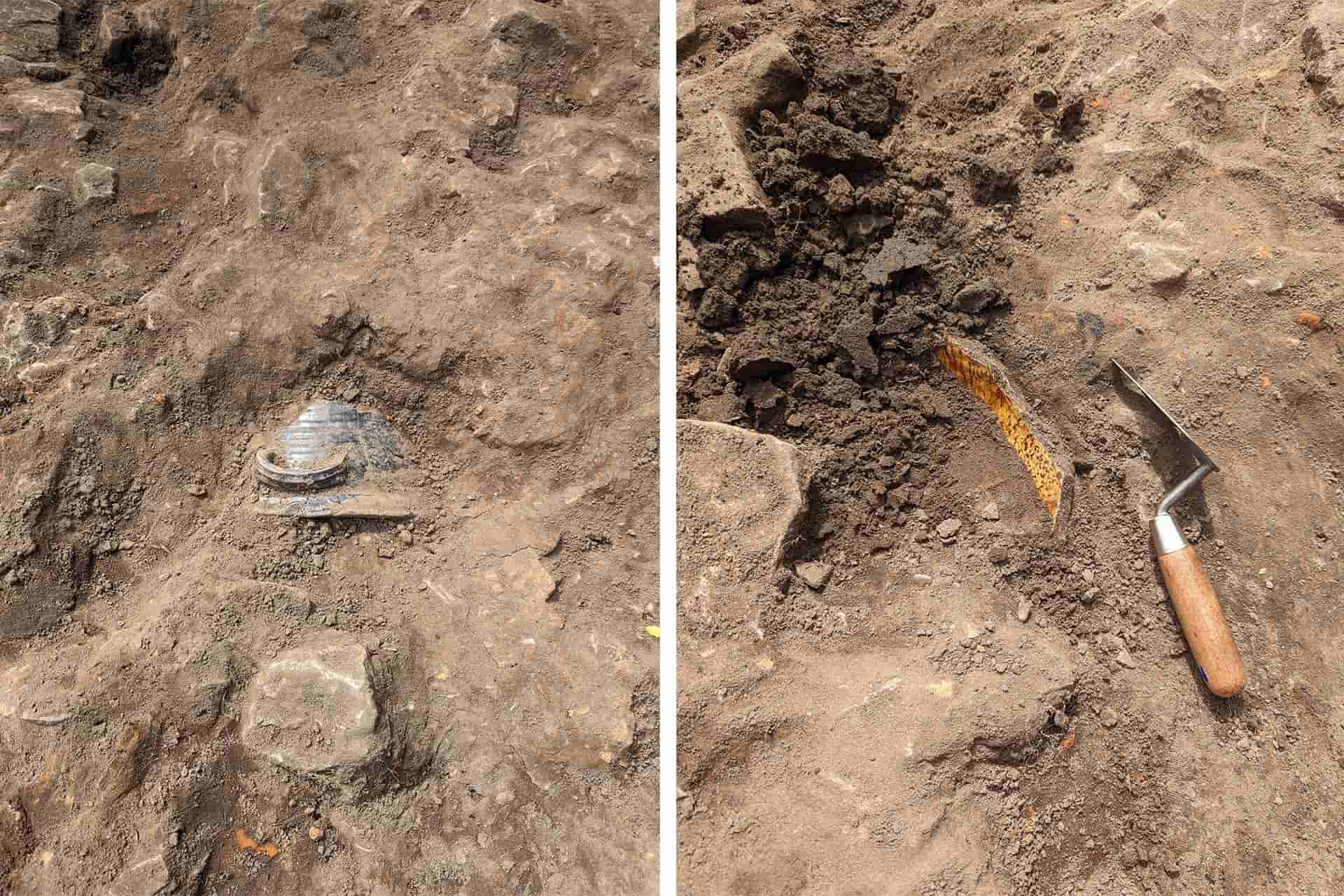
Figure 2 + 3 - You can imagine my shock and excitement as these beautiful finds revealed themselves to me, a first-year student digging for the first time in my life:
During this second season, I also began taking on more responsibility within the field itself. I was involved in preparing and drawing trench sections by hand, writing and updating context sheets, and comparing our records with those from previous seasons to better understand how the site was developing over time. Teaching and supporting Year 1 students through tasks such as section drawing and recording was particularly rewarding, and it helped me realise just how much confidence and clarity good communication requires in archaeology.
These moments made it clear to me that recording is never a purely mechanical task; it is an act of interpretation, where accuracy, decision-making, and responsibility matter just as much as discovery. In many ways, this was where my interest in precision, illustration, and careful documentation truly began!
Figure 4 + 5 - The before and after of cleaning a fresh trench and preparing it for cross-section drawings:
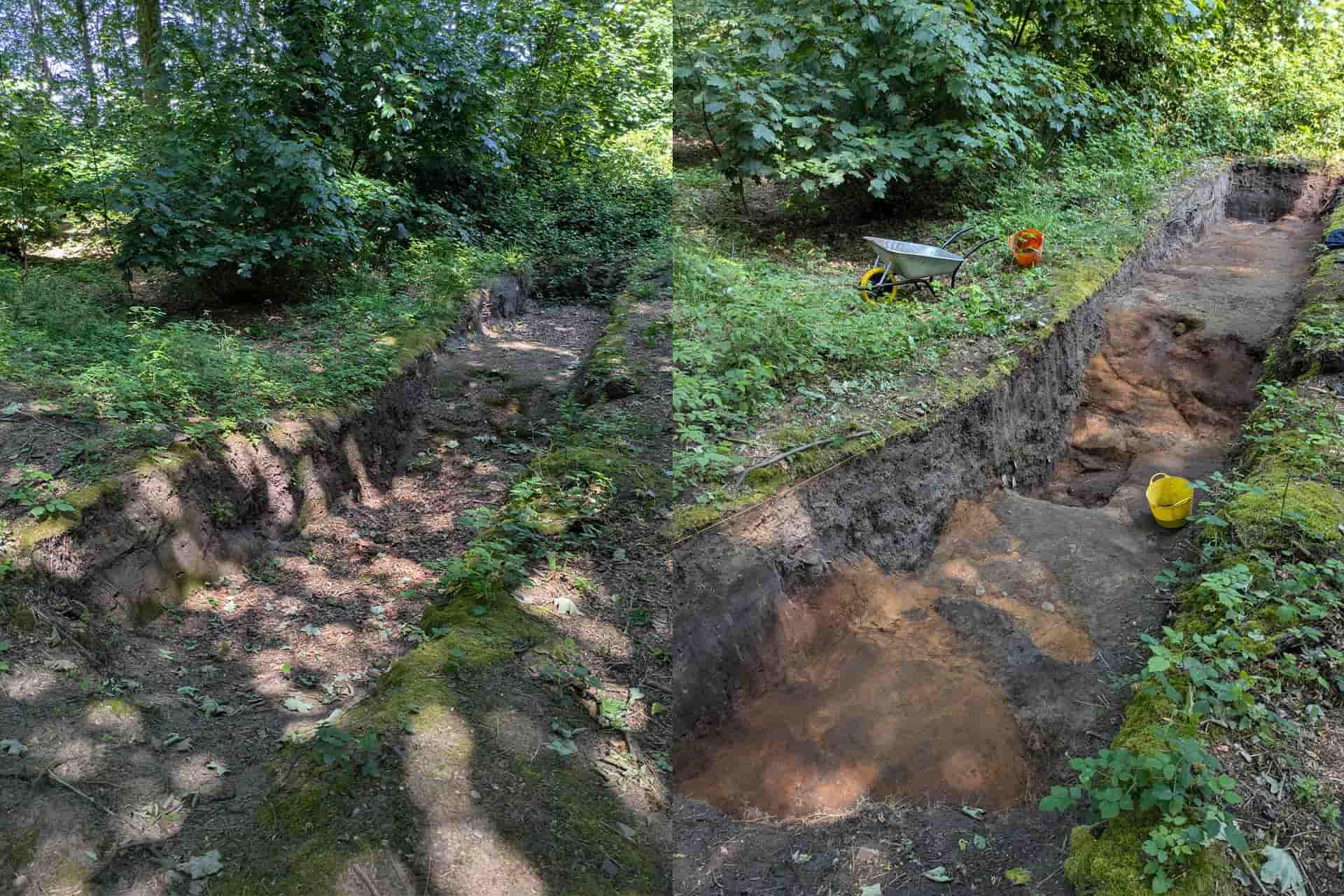
Figure 6 - Doing a section drawing of a fresh trench that my friend Millie and I opened:
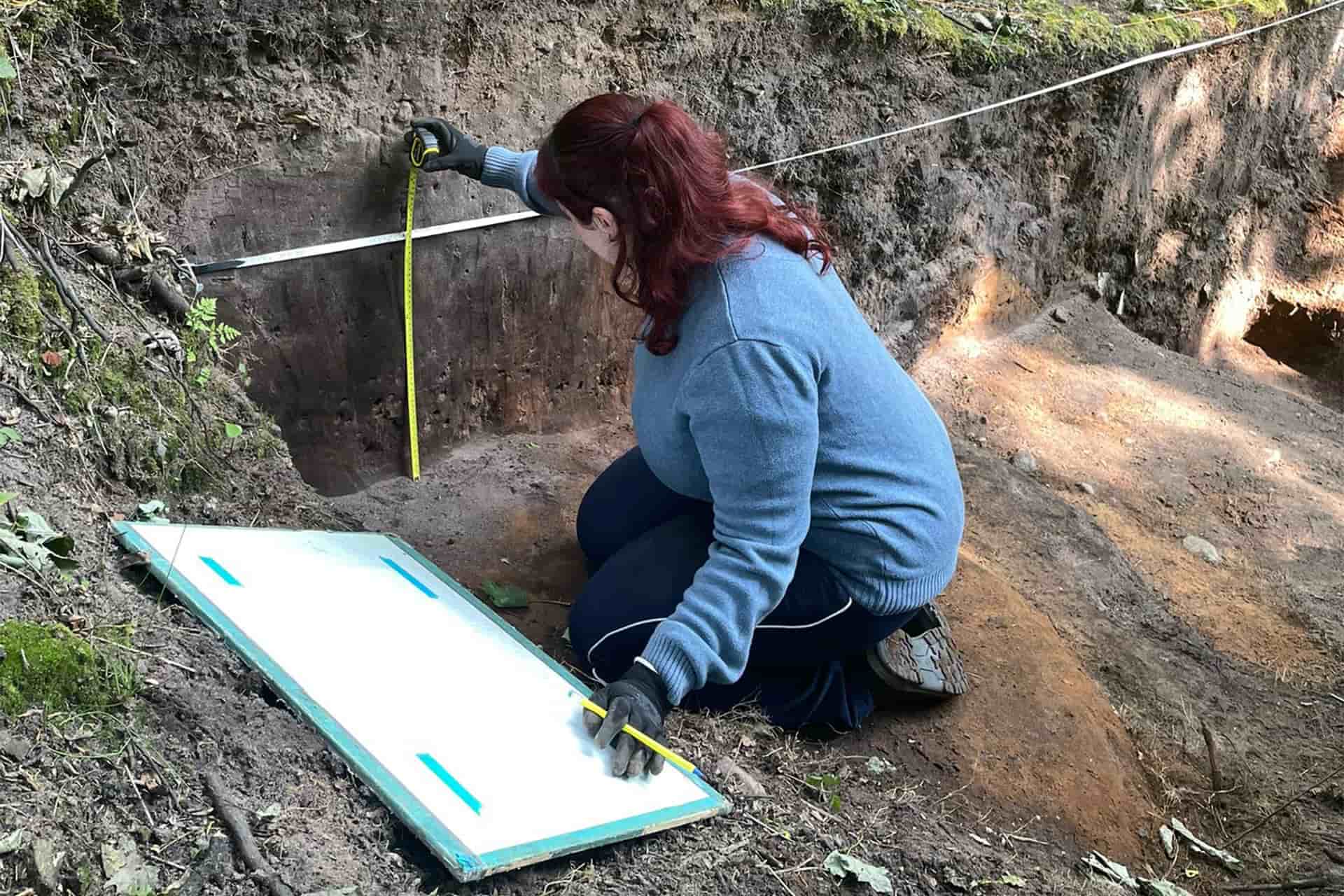
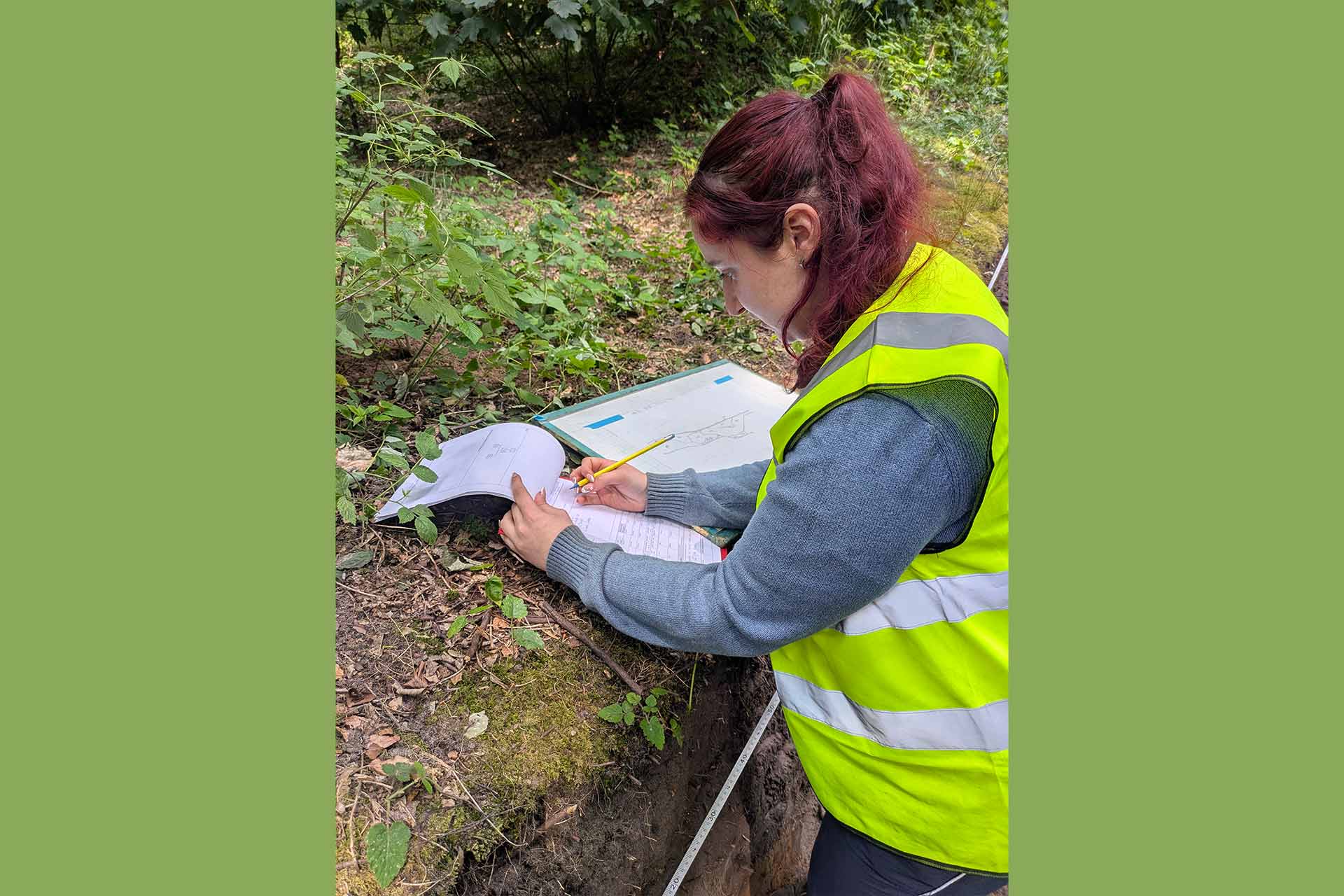
Figure 7 - Filling in context sheets for the new contexts revealed in the section drawing:
Transition to Post-Excavation Work Photography and digital recording were also central to my experience in the field. Using both handheld cameras and drone photography, and being introduced to techniques such as photogrammetry, highlighted how modern excavation increasingly relies on layered visual documentation. Thinking carefully about angles, lighting, and clarity in the field helped me understand that photography is not simply illustrative, but analytical - an idea that stayed with me long after the excavation season ended.
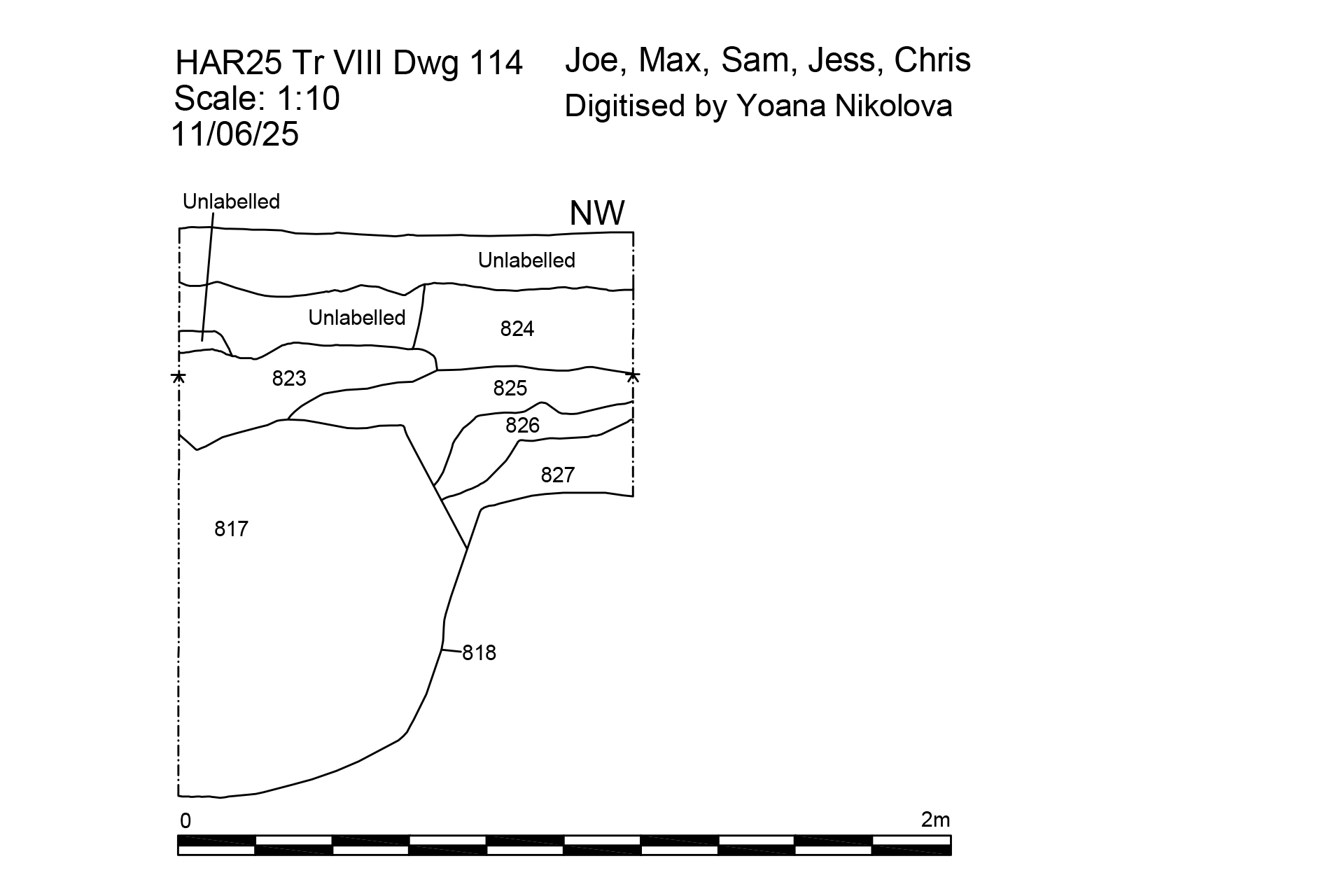
After the 2025 excavation season, I was invited to continue my work with the team by digitising trench section drawings using AutoCAD in the department’s laboratories on campus. This was an exciting step, as it allowed me not only to gain quite complex technical skills but also to combine them with archaeological interpretation and to start building an illustration portfolio.
Working on visually striking trench sections made me quickly realise how much post-excavation work depends on precision, patience, and a keen eye for detail. It was, in a way, a different kind of excavation - one with fewer muddy boots but just as much thought, care, and problem-solving! Some trench sections were particularly challenging to draw over and digitise in AutoCAD due to complex stratigraphy and overlapping contexts. Translating these into clean, accurate AutoCAD illustrations required patience, repeated checking, discussions, and some frustration, but ultimately the satisfaction of producing a polished illustration with sharp lines and clear labels made it worthwhile.
Over the summer, I also had the chance to expand my skills further: editing hundreds of excavation photographs in Capture One, another technical app that initially intimidated me, but which I quickly grew confident using, and beginning to process finds in preparation for full post-excavation recording.
Figure 8 - Lovely visitors in the field:
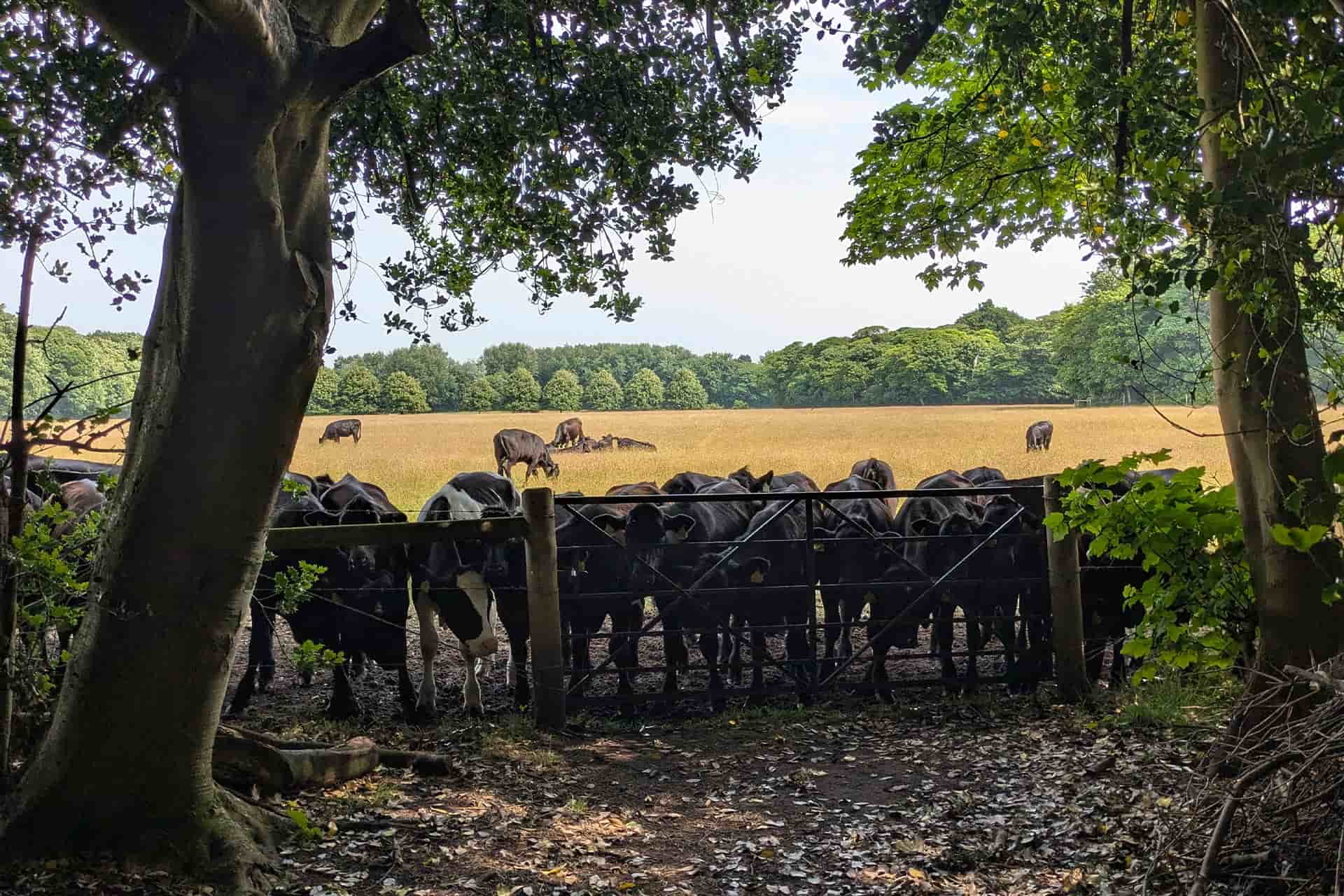
Figure 9 - An example of a digitised section drawing:
Leading the Post-Excavation Project When I returned to university in September, Harold Mytum and Robert Philpott entrusted me with the post-excavation project for the Little Crosby 2025 season - a responsibility I was absolutely thrilled (and, I’ll admit, a little terrified) to take on! Leading a small but dedicated team of colleagues (and close friends), Millie Withington and Jodie Peake, we committed 3-4 months of weekly sessions to the project. It was an incredible opportunity to expand our skill sets, refine our professional practice, and collaborate closely in a way that strengthened not just our technical abilities but also our teamwork and confidence in managing an archaeological project from start to finish!
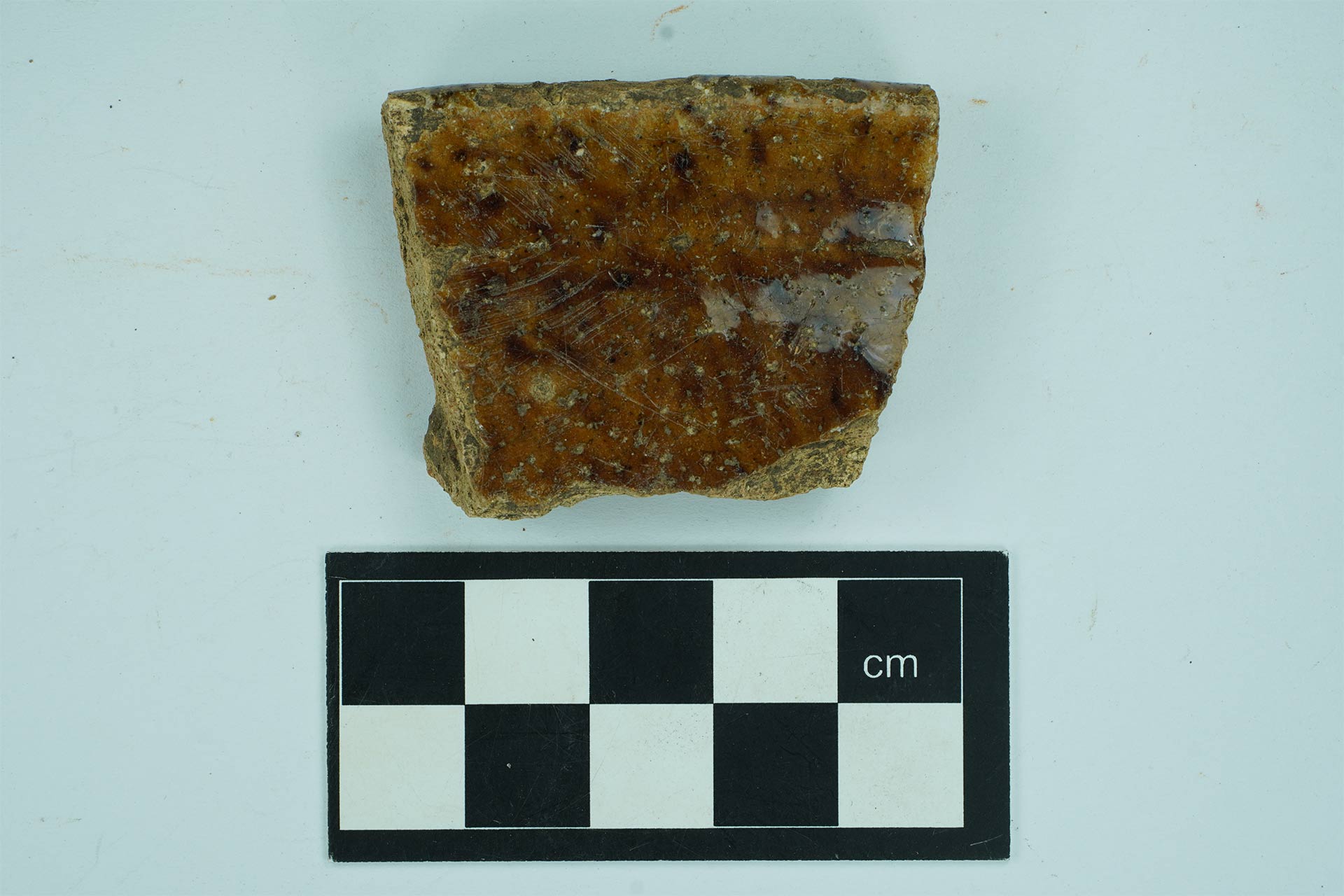
Building directly on the recording, drawing, and documentation skills I had first developed in the field, the post-excavation work demanded an even greater level of consistency and professional precision. Throughout the project, our work was varied and highly detailed. We undertook extensive photography (see figure 10) of the finds using a range of professional equipment, experimenting with lighting and angles to ensure that every object was captured clearly for both record and publication.
We also researched and produced a wide array of professional archaeological illustrations, carefully documenting notable objects and features to the standards required for future analysis and reporting. Every task required precision, patience, and a deep attention to detail - skills that were tested and honed throughout the project!
Notable finds included elaborately decorated ceramics and metal objects that required careful observation to ensure accurate illustration. We cross-referenced many published typologies and examples to guide our drawings, aiming for a professional standard suitable for publication. Working as a team, we divided tasks but frequently reviewed each other’s work, discussing varied interpretations, offering feedback, and sharing techniques, which fostered a collaborative and supportive environment while improving the quality of our output.
This project allowed me to experience the full lifecycle of an archaeological site - a truly satisfying honour. From the first day digging into the field to the meticulous lab-based recording of objects we ourselves had uncovered, I saw how every stage contributes to a coherent, accessible record. Watching raw excavation material transformed into organised, high-quality documentation that can now be used for wider research and publications was immensely rewarding. It also gave me a profound appreciation for the importance of post-excavation work in preserving heritage and ensuring that the discoveries of a season can continue to inform scholarship for years to come - it really felt like an enlightenment of sorts!
Reflection
Looking back, it is clear that the excavation in June itself laid the groundwork for everything that followed. The habits formed in the field - careful observation, thoughtful recording, collaboration, and responsibility - became essential during the post-excavation phase. Rather than feeling like two separate experiences, the trench and the lab began to feel like different stages of the same process, each shaping how archaeological knowledge is created, preserved, and shared.
At the start of the project, I felt nervous about leading a team and ensuring everything met professional standards - quite normal, as it was a first for me.
Figure 11 - Millie working on professional archaeological illustrations (see illustration directly below!):
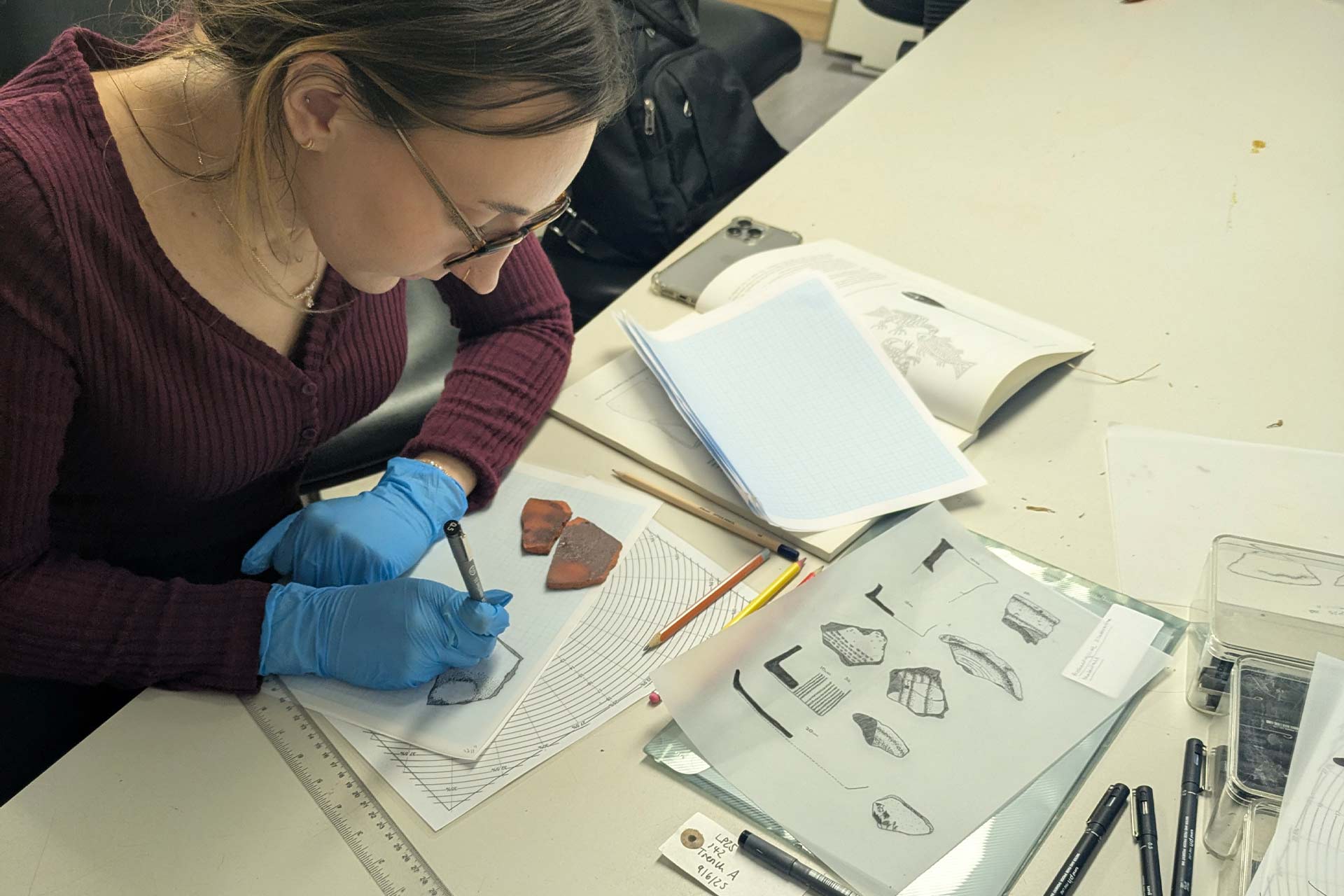
Figure 12 - Jodie working on photography of a range of artefacts (see a photograph below!):
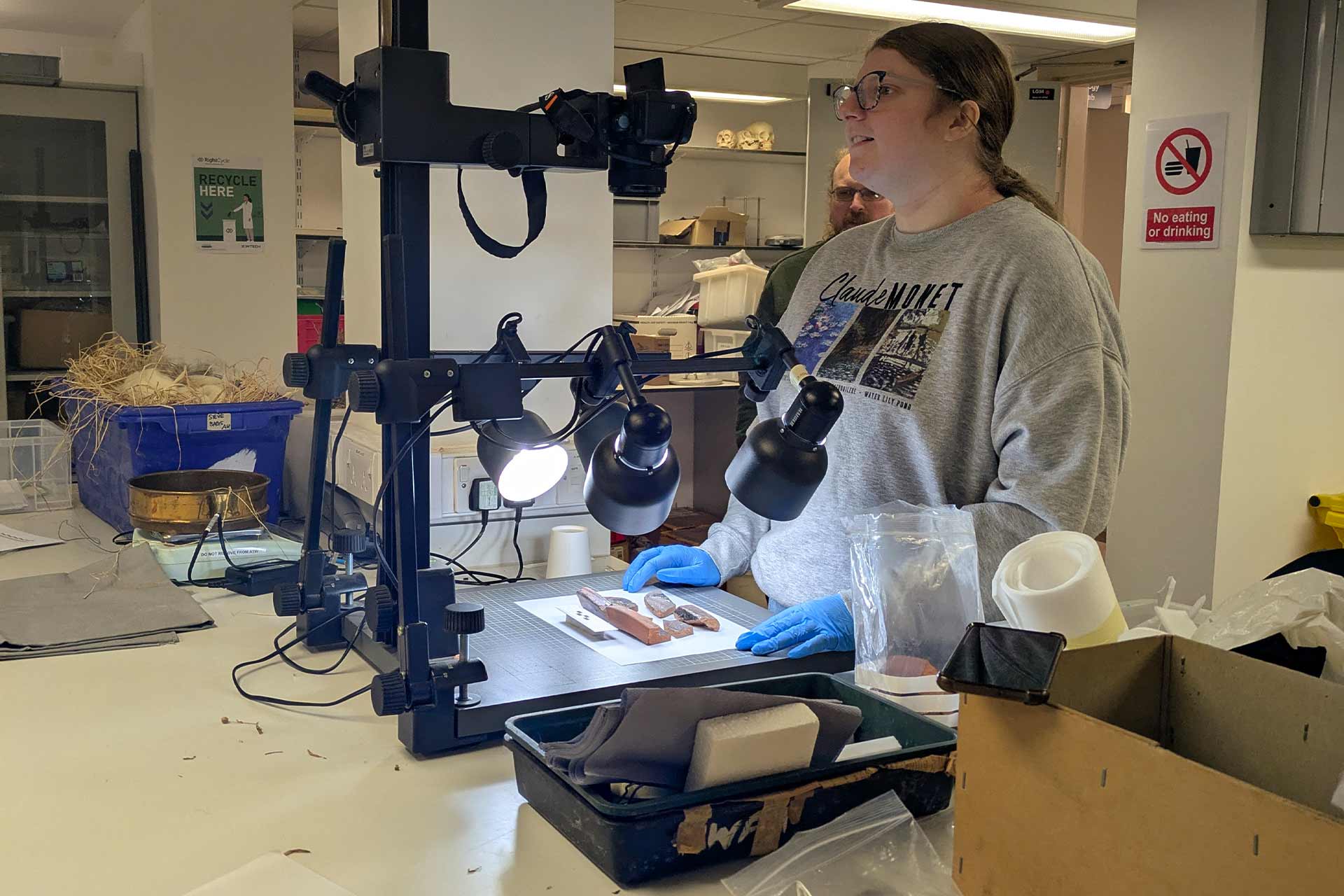
Figure 13 – The finished illustration Millie was working on in the picture above:
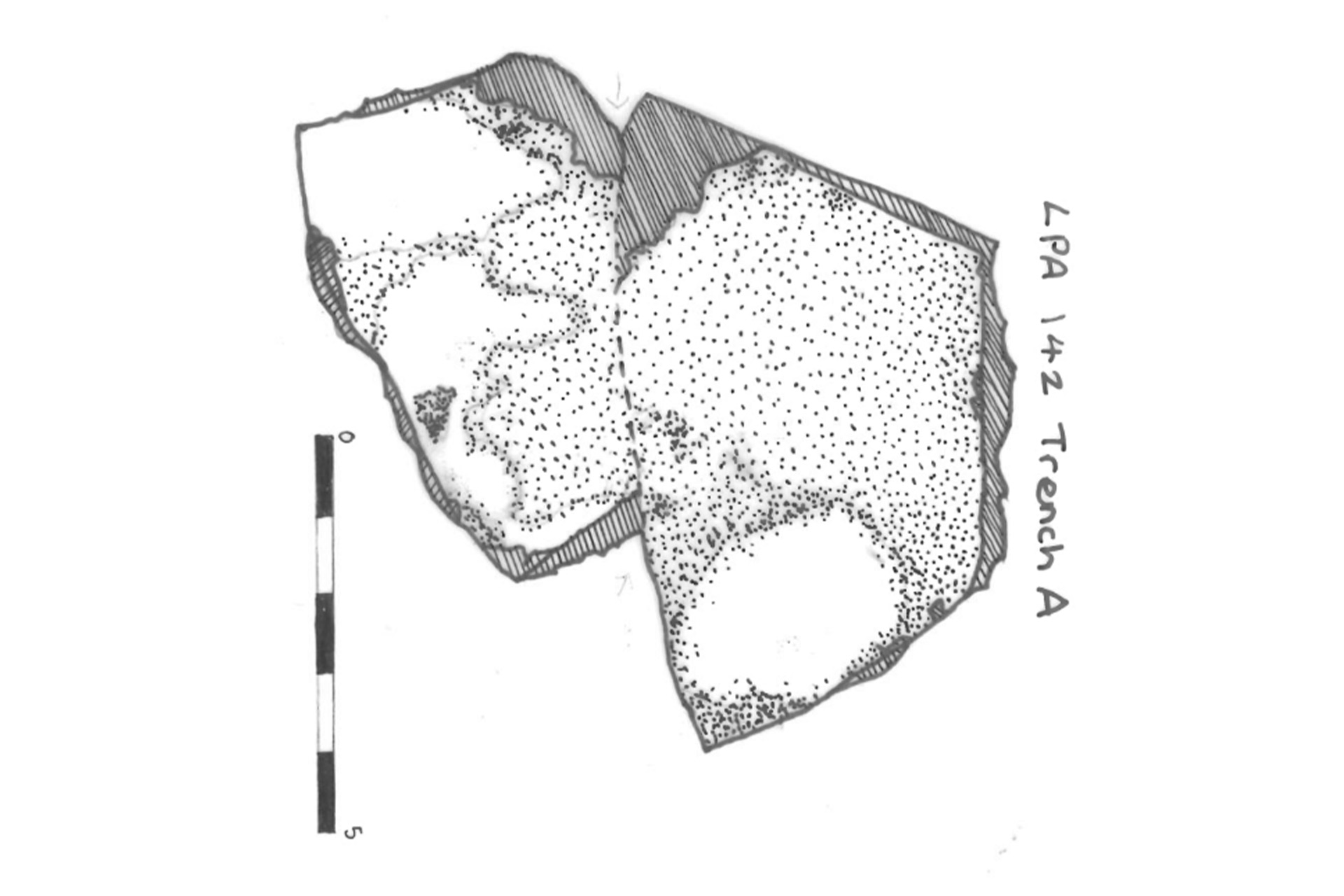
Figure 14 – An example of a photographed sherd. Looking familiar? This is actually part of the revealed pot in Figure 3:
However, I found that over time, I grew more confident in assigning tasks, troubleshooting problems, and managing deadlines. I also learned that meticulous record-keeping and consistent communication are as important as technical skills in producing research-ready material. This experience has not only strengthened my technical abilities but also given me confidence in taking initiative and leading small research projects independently.
Coordinating a project of this scale - even with a rather small team of friends - offered insight into project management, leadership, and responsibility within a research context. It was incredibly rewarding to see our combined efforts and the hard work we put in for months to produce material that will not only support ongoing research but also contribute to the broader understanding of Little Crosby and its material history.
Closing and looking forward
Finishing the post-excavation project felt like closing a loop - the objects we had uncovered months earlier in the trenches were now fully documented and ready to tell their stories to researchers. It was truly rewarding to know that our efforts would have a lasting impact on understanding Little Crosby’s history. Experiences like this reinforce why I love archaeology - it combines intellectual curiosity, technical skill, and tangible connection to the past in a way that is endlessly inspiring!
I am immensely grateful to Harold Mytum and Robert Philpott for their guidance and trust, and to my colleagues for their dedication throughout the project. Completing this post-excavation work has reinforced my passion for archaeology, expanded my skills, and left me excited for future seasons! Leading a project felt intimidating at first, but with all of the support behind me, it now feels natural. I can’t wait to apply these skills to new projects, continue developing professionally, and, of course, return to the trenches next year (hopefully)!
For readers interested in my very first steps into archaeology and heritage, I’ve also written a more informal introductory blog reflecting on my first year, which was originally posted on my Substack.