How you'll learn
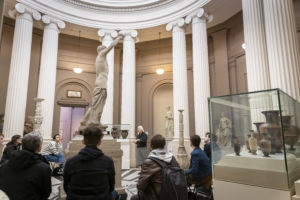
Teaching takes place in small-group seminars and workshops, as well as one-to-one tutorials. The emphasis is on collaboration between students and staff.
External partners contribute directly to the programme and the MA offers extracurricular opportunities to engage with slavery and unfree labour in different contexts. This includes an optional project-based work placement where you would typically spend one day a week in a relevant public history, policy-focused or practice-based institution. This could be a museum, archive or charity.
How you're assessed
You’ll be assessed through a series of research-based activities that will encourage you to reflect on the place of slavery and unfree labour in a range of historical and contemporary contexts.
This includes a combination of essays, case studies, presentations, self-reflective journal, policy paper and heritage brief, as well as a dissertation.
Liverpool Learning Framework
At Liverpool, we take a distinctive approach to education through the Liverpool Learning Framework. This means teaching that is engaging, inclusive and designed to help you succeed during your studies and beyond.
You’ll develop specialist subject knowledge alongside the skills employers value most, including:
- Digital fluency
- Confidence
- Global citizenship
Our curriculum is characterised by the three Liverpool Hallmarks:
- Research-connected teaching - learning informed by the latest ideas and discoveries
- Active learning - taking part, applying knowledge and learning by doing
- Authentic assessment - assessments designed around real-world tasks and challenges
We also embed key priorities across our curriculum, including AI literacy, employability, and sustainability, helping you prepare for the future and make a positive impact in the world.
We’re committed to creating a supportive and inclusive learning environment where every student can thrive.