How you'll learn
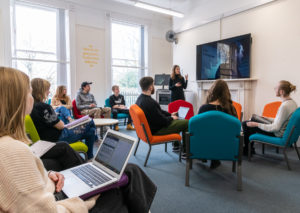
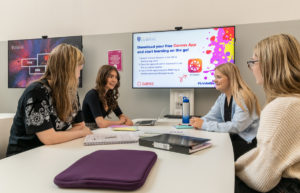
Teaching on the MA Media, Data and Society is delivered in a variety of different ways that suit the particular material being covered. The Semester 1 core module is taught through a combination of lectures and seminar groups, with one hour of each per week. The research methods and Semester 2 core modules are taught through workshops which combine presentation of new material, hands-on practice, and class discussion. These are three hours (research methods) and two hours (Semester 2 core) per week. Options modules vary but typically follow one of these two patterns. For every course there is also extensive out of class work including preparation for seminars, reading key literature and preparing for assessment.
All classes will take place on campus in person. Class sizes for masters programmes in the Department of Communication and Media tend to be small, typically between 10-20 students, but can vary depending on what option modules are selected.
How you're assessed
The assessment strategy emphasises assessing skills and learning in settings as close as possible to those where they will be used, in keeping with the Curriculum 2021 drive for authentic assessment. Consequently, a variety of different approaches are used for different programme modules. Where possible, we try to set tasks which mirror those which students might undertake as professionals (especially in the technical and policy parts of the programme) or researchers (especially the dissertation). Feedback is given on all submitted work (formative and summative), with a view to students’ reflective engagement both with the material learned and with the process of assessment. This is intended to bring all students, with previous exposure to work in Communication or otherwise, to a place where they can confidently deliver an excellent dissertation. Assessment in the core modules is by a combination of written coursework (essay, dissertation proposal), technical report (programming, data analysis), examination (interpretation of statistics), and research-led activity (dissertation). The options modules each take approaches which best suit the skills developed and material learned.
Liverpool Learning Framework
At Liverpool, we take a distinctive approach to education through the Liverpool Learning Framework. This means teaching that is engaging, inclusive and designed to help you succeed during your studies and beyond.
You’ll develop specialist subject knowledge alongside the skills employers value most, including:
- Digital fluency
- Confidence
- Global citizenship
Our curriculum is characterised by the three Liverpool Hallmarks:
- Research-connected teaching - learning informed by the latest ideas and discoveries
- Active learning - taking part, applying knowledge and learning by doing
- Authentic assessment - assessments designed around real-world tasks and challenges
We also embed key priorities across our curriculum, including AI literacy, employability, and sustainability, helping you prepare for the future and make a positive impact in the world.
We’re committed to creating a supportive and inclusive learning environment where every student can thrive.