What types of page to search?

Alternatively use our A-Z index.

Molecular and Clinical Cancer Medicine

Bridging discovery science with therapeutic applications in cancer patients. Our mission is to optimise effective collaborations between scientists and clinicians to find better ways to detect and treat cancer.

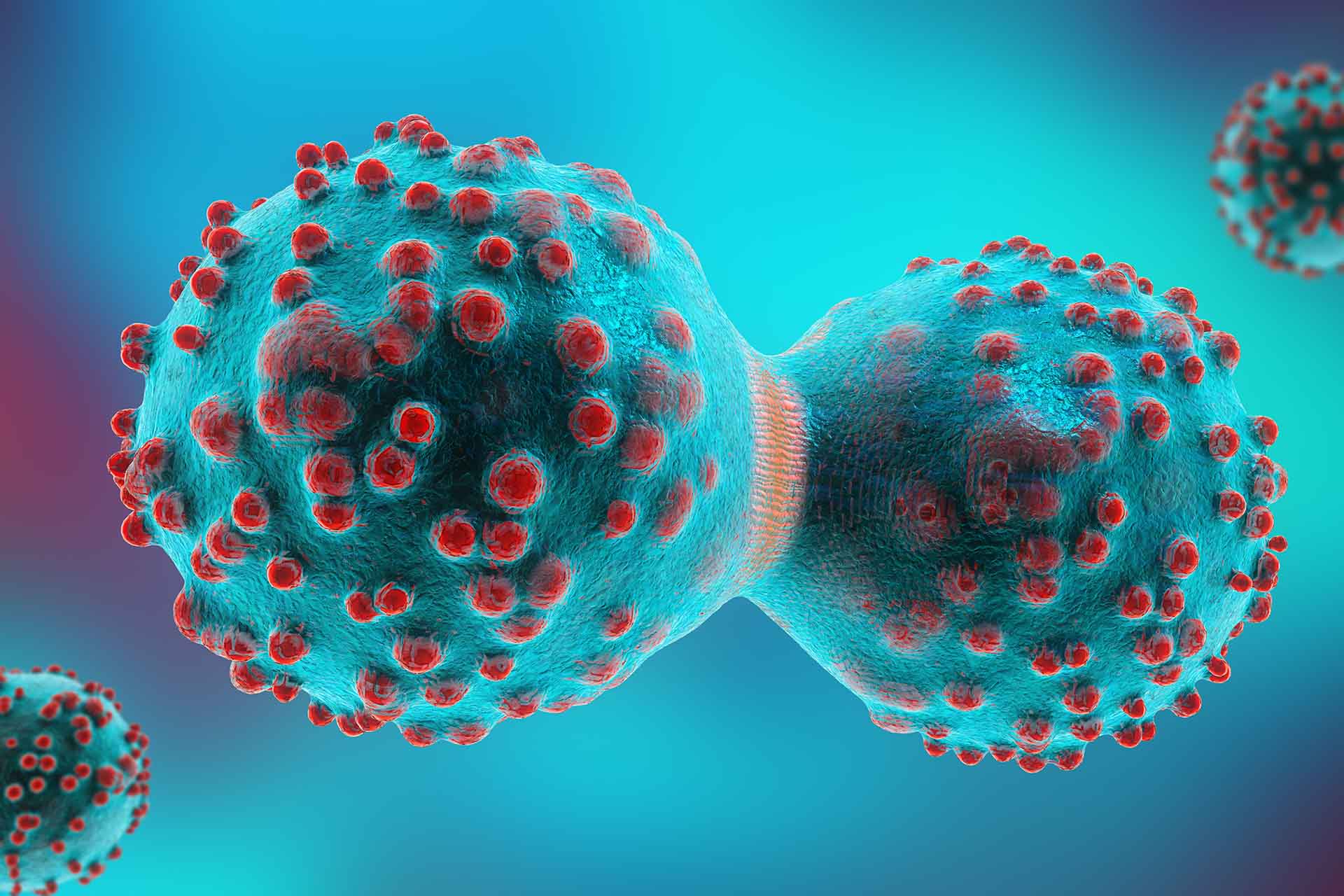
Dividing cancer cell

We have built a strong reputation for clinical and non-clinical cancer research, and our translational oncology programme covers a wide spectrum of research activities, starting from the identification of novel targets, through their validation in pre-clinical in vitro and in vivo models, and ultimately their validation in early phase clinical trials. Our clinical research covers different cancer types, including pancreas and hepatobiliary cancers, head and neck cancers, brain tumours, haematological oncology, lung cancer, breast cancer and ocular oncology

Our challenges

Earlier detection, screening and diagnosis of cancers

Most cancer patients already have advanced disease by the time they present at the clinics, which makes it difficult to treat. We are currently developing effective ways to detect and diagnose cancer at its early stage of development. 

Cancer vulnerabilities, novel therapeutics and therapy response markers

Tumour cells carry a multitude of genetic changes. These changes provide them an advantage to grow and disseminate in our body. At the same time, it also makes tumour cells vulnerable for targeted therapies. In our department, we are carrying out research to identify those vulnerabilities and find novel therapeutic targets.

Tumour–stroma-immune interactions

Tumours contain not only cancer cells but also numerous non-malignant stroma cells, including immune cells and fibroblasts. These cells are activated in cancer, influencing progression, therapy response, and immune reactions. We study how fibroblasts and immune cells support cancer progression to develop therapies targeting both cancer and stroma/immune cells.

Cell Signalling: membrane to nucleus

In cancer, cell communication fails due to genetic, epigenetic, transcriptional or post-translational changes. We use advanced molecular, biochemical and cellular biology techniques with multi-omics, bio-imaging and complex preclinical models to study dysregulated cell signalling in cancer or in response to therapies.
Research centres

Experimental Cancer Medicine Centre logo

Experimental Cancer Medicine Centre (ECMC)

Led by Professor Daniel Palmer, the primary strategic areas of the Liverpool ECMC are pancreatic cancer and haemato-oncology, with expertise in cancer biology and pharmacology to develop novel biomarkers of efficacy, resistance and drug safety. Other areas of focus supported by local expertise are breast cancer with brain metastases, hepatobiliary cancers, head & neck cancers and uveal melanoma.

Liverpool Head and Neck Centre logo

Liverpool Head and Neck Centre (LHNC)

Led by Professor Terry Jones, Liverpool Head and Neck Centre (LHNC) brings together a breadth of internationally recognised clinical and scientific expertise, providing a unique opportunity to make impactful differences for patients with diseases of the head and neck locally, nationally and internationally.

Study with us

Doctor examining an x-ray

Case studies - Cancer research

Our department conducts national and internationally recognised cancer research. Our preclinical and clinical cancer research has led to changes in clinical practice and improved patient treatments.  

Facilities

Key staff

Accreditations and partnerships

Our local and global partnerships provide vital support to our research activity.

North West Cancer Research Logo
Liverpool Health Partners Logo
The Clatterbridge Cancer Centre Logo
Liverpool University Hospitals LUHFT Logo
The Walton Centre Logo