From new research breakthroughs to innovative projects and community partnerships, the past year has highlighted the range of work taking place across our Faculty. Here’s a look back at just some of the news we’ve published over the past twelve months.
January
We began the year with a £10 million funding boost for health innovation through the Civic HealthTech Innovation Zone (CHI‑Zone), led by our Civic Health Innovation Labs and funded by the Liverpool City Region Life Sciences Innovation Zone.
International collaborations were strengthened with the announcement of a new College of Veterinary Medicine at the University of Al Dhaid, delivering our Liverpool veterinary curriculum overseas to students from September 2025.
Our Institute of Systems, Molecular and Integrative Biology received a Gold Athena Swan Award, followed by our Institute of Life Course and Medical Sciences in March, reflecting our ongoing commitment to equality, diversity and inclusion.
February
Research achievements continued with £2.7 million awarded to tackle fevers caused by infections spread from animals in sub-Saharan Africa. The funding will support new approaches to prevent and manage zoonotic infections, helping to address major global health challenges through international collaboration.
March
In March, we launched our new Faculty strategy, outlining our vision for research, education, and innovation over the coming years within a supportive and collaborative environment.
Early-career researcher Dr Davara Bennett won an inaugural NIHR Impact Prize for her work on understanding inequalities among children entering care in England.
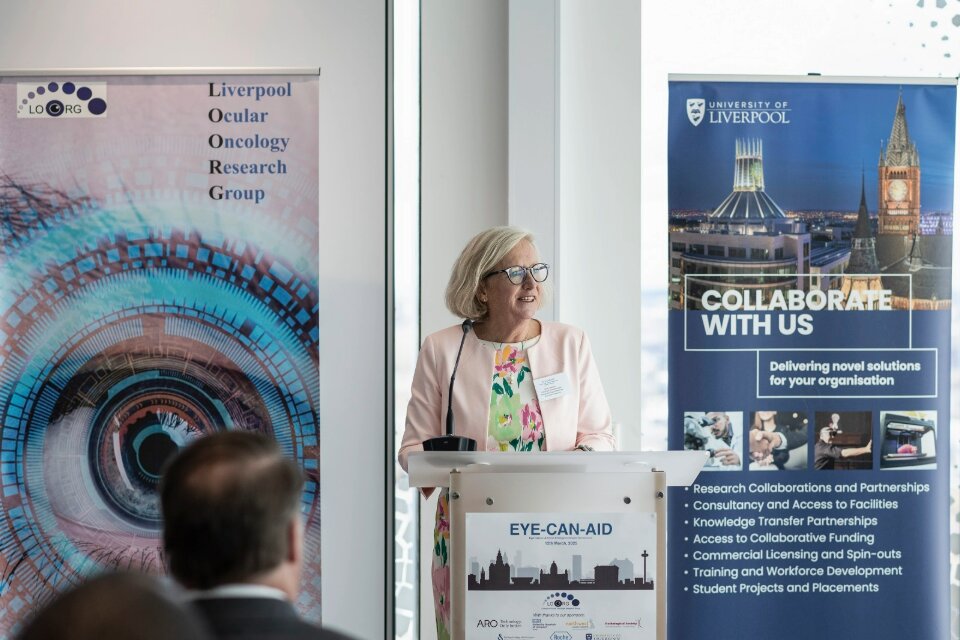
Researchers also launched the Eye Cancer Artificial Intelligence Digital Bioresource (EYE-CAN-AID) to accelerate research into rare eye cancers and improve patient outcomes.
April
April saw the launch of the Microbiome and Infectious Disease Innovation Hub (MaID), led by our Microbiome Innovation Centre and supported by over £1 million from the Liverpool City Region Life Sciences Innovation Zone Project.
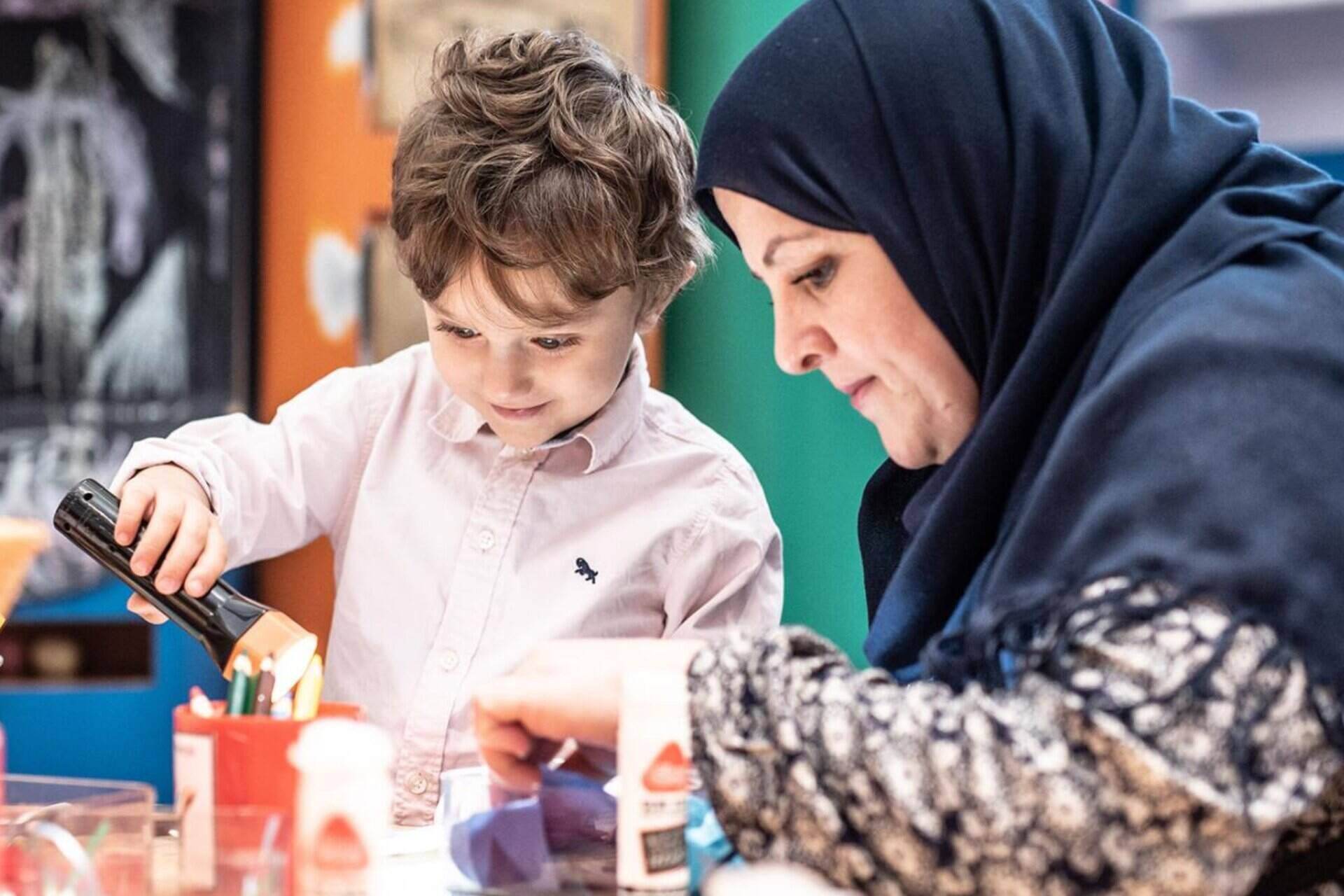
We also introduced our Toddler Science public engagement programme in partnership with Everton in the Community, nurturing curiosity and scientific thinking among young learners through hands-on science activities.
May
The University announced plans to open its first international campus in Bengaluru, India, where the Faculty will offer a Biomedical Sciences programme. This initiative extends our global teaching reach and creates opportunities for collaborative research with international partners.
We also partnered with Roche Diagnostics Limited to launch a Healthcare Charter Partnership, aiming to transform regional health outcomes through innovative projects, data sharing, and workforce development.
June
June saw the launch of an €8.6 million EU project exploring treatments for cancer-related jaw disease using food waste. Researchers also captured media attention with findings suggesting that a positive life outlook may protect against middle-aged memory loss.
July
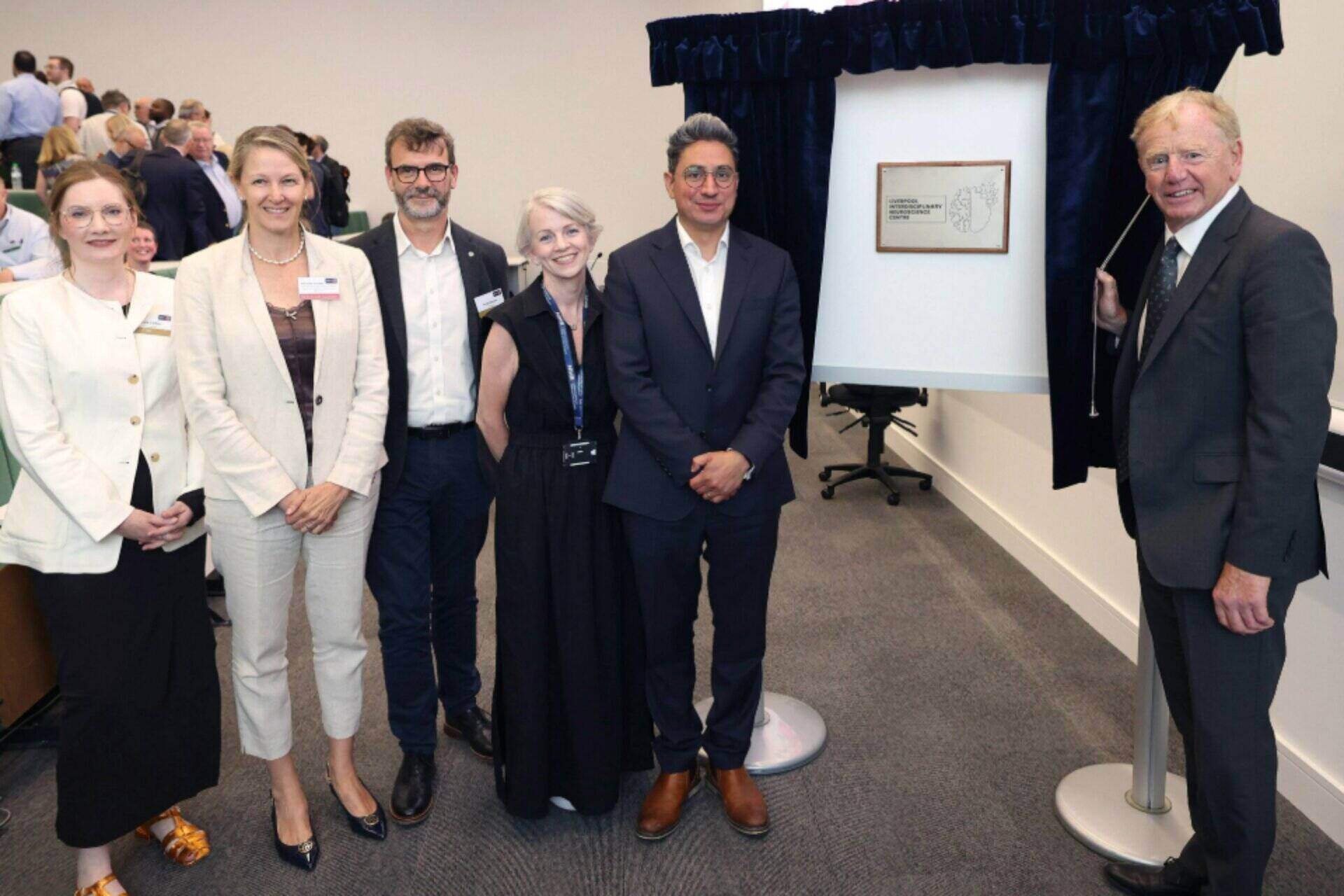
July marked the official launch of our Liverpool Interdisciplinary Neuroscience Centre (LINC), which unites nearly 170 researchers and clinicians to tackle urgent neurological, neurosurgical, psychiatric, and brain health challenges.
We also further strengthened our research and education ties with India by signing a five-year Memorandum of Understanding with the Saveetha Institute of Medical and Technical Sciences (SIMATS).
Innovation activity continued with the launch of new knowledge transfer partnerships to advance crops, care and infrastructure, strengthening collaboration with external partners and delivering impact across multiple sectors.
As part of VetFest 2025 at our Leahurst campus, we welcomed thousands of visitors to celebrate veterinary science through interactive demonstrations, workshops, and hands-on activities.
September
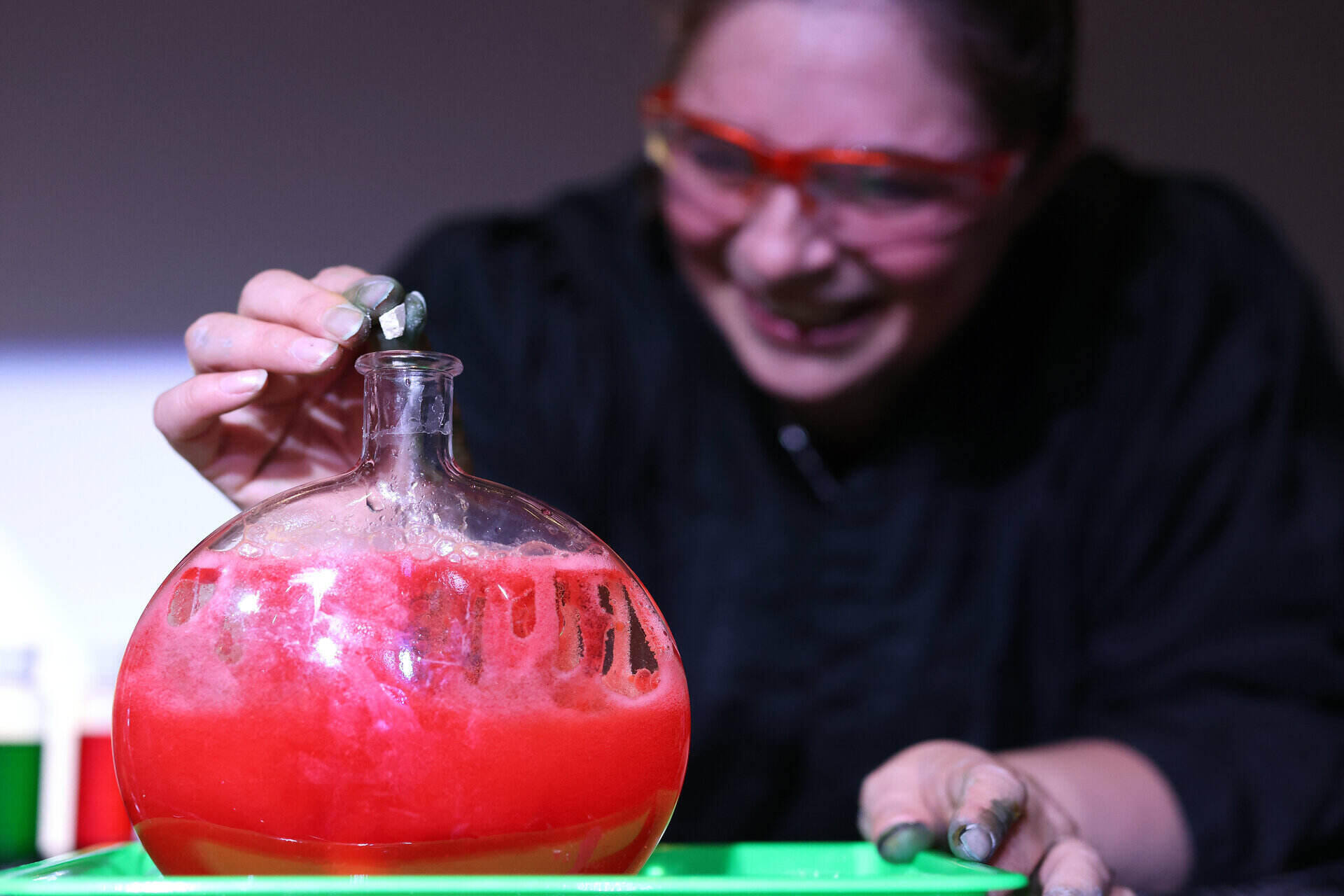
The British Science Festival returned to Liverpool in September, with our researchers leading talks, demonstrations, and interactive sessions for community groups and the wider public.
In policy news, our researchers contributed evidence to national discussions by joining the Labour Party Conference debate on population health and public health policy.
Our scientists also led the discovery of a powerful new class of antibiotics capable of tackling deadly superbugs, representing a significant step forward in the global fight against antimicrobial resistance.
October
October brought further research achievements, including the development of affordable AI-powered tests for early detection of Alzheimer’s disease, which offer the potential for earlier intervention and improved patient outcomes.
We also launched our new School of Pharmacy and Pharmaceutical Sciences, strengthening professional education and research across medicines development, pharmaceutical science and healthcare practice, with the first cohort of students joining in 2026.
Continuing our collaborative efforts in child health, Professor Dan Hawcutt was announced as the Founding Director of the Liverpool Institute of Child Health and Wellbeing, a partnership between the University, Alder Hey Children’s NHS Foundation Trust, and other key stakeholders.
The month also marked 10 years of our flagship ‘Meet the Scientists’ public engagement series, delivered in partnership with National Museums Liverpool and celebrated with a city-wide weekend of events.
November
November was a strong month for research news. A maternal health programme in Malawi and Uganda achieved a 32% reduction in severe infections and deaths, while £2.9 million was awarded to expand the DataSHIELD platform, enabling secure analysis of NHS data at regional and national levels. In another study, researchers found that mandatory nutrient warning labels could prevent 100,000 obesity-related deaths in England, providing evidence to inform national public health policy.
Faculty staff and students were also actively involved in the University’s 2025 Liv 2 Give fundraising campaign for The Walton Centre Charity, which ran throughout the year. November saw a highlight of the campaign with a talent show featuring members of the Faculty leadership team performing an ABBA tribute alongside other performances.

December
December brought news of a £16 million funding boost for the Applied Research Collaboration 2 North West Coast (ARC2NWC), a multi-million-pound regional initiative dedicated to improving services for patients and communities across the North West.
We also celebrated the completion of the Faculty Hub, our new home in the historic Old Royal Infirmary building designed by Alfred Waterhouse. It provides office accommodation, hot-desking and meeting spaces for colleagues across the Faculty.
The year concluded with our winter graduation ceremony, a fitting celebration of our students’ achievements and a chance to wish them every success in the future.
These highlights showcase a year of innovation, collaboration and impact for our Faculty, setting the stage for an exciting 2026 and beyond.