How you'll learn
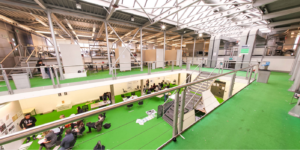
The majority of the modules will be taught within the Liverpool School of Architecture (LSA), with four elective modules taught within the departments of History and Philosophy. The programme is designed to allow equal opportunities for students both with and without prior specialist architectural training, as it is open to students from different background with interest in heritage.
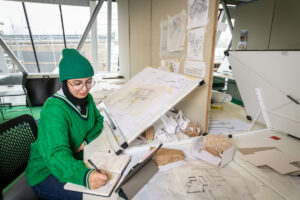
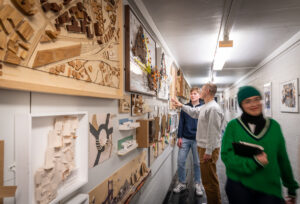
In addition to the mandatory modules, all students can select from a range of optional modules that provide deeper knowledge of a specific topic or area in heritage studies. The modules are taught in a variety of ways – traditional lectures centred on fundamental principles and heritage applications, group discussions in workshops, flipped classroom, guided independent study, tutorials, hands-on workshops, discussions with heritage specialists and practitioners, learning from case studies and field trips.
Additionally, the placement opportunities with different heritage institution will help the studnets to develop their work skills.
How you're assessed
The assessment strategies for the modules incorporated in this MA programme reflect the variety of teaching approaches used, and include poster submissions, analytical reports, essays, sustainable heritage management plan, heritage design project, oral and practical presentations, and a research dissertation or a design project led by research.
Liverpool Learning Framework
At Liverpool, we take a distinctive approach to education through the Liverpool Learning Framework. This means teaching that is engaging, inclusive and designed to help you succeed during your studies and beyond.
You’ll develop specialist subject knowledge alongside the skills employers value most, including:
- Digital fluency
- Confidence
- Global citizenship
Our curriculum is characterised by the three Liverpool Hallmarks:
- Research-connected teaching - learning informed by the latest ideas and discoveries
- Active learning - taking part, applying knowledge and learning by doing
- Authentic assessment - assessments designed around real-world tasks and challenges
We also embed key priorities across our curriculum, including AI literacy, employability, and sustainability, helping you prepare for the future and make a positive impact in the world.
We’re committed to creating a supportive and inclusive learning environment where every student can thrive.