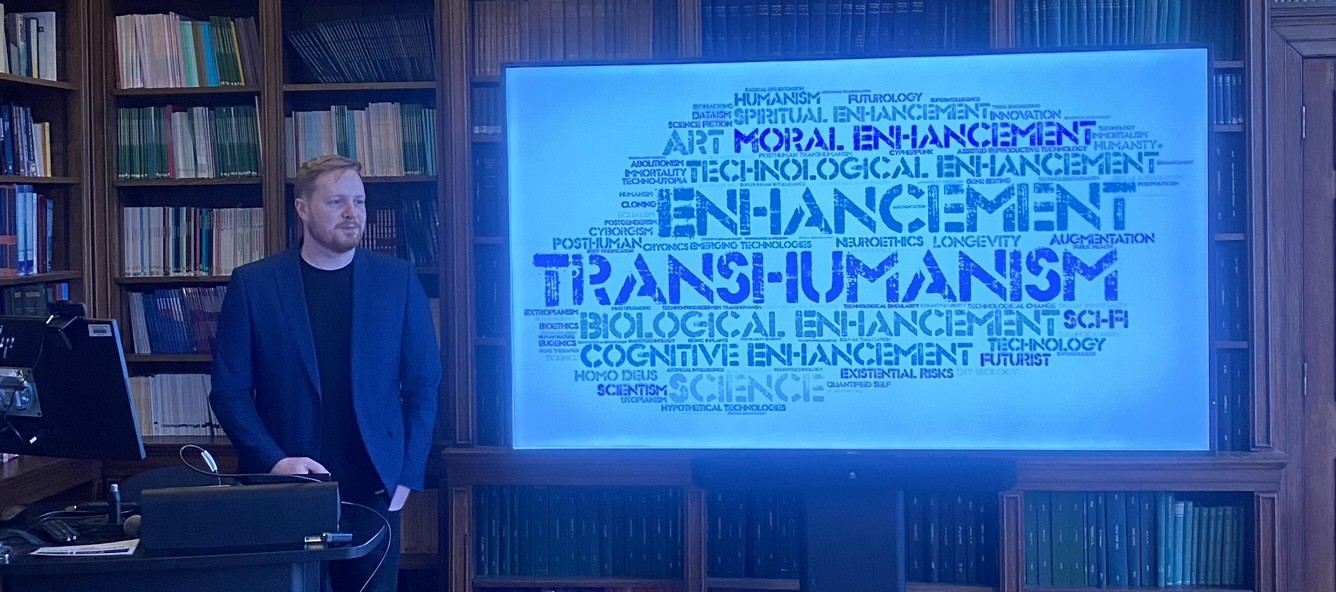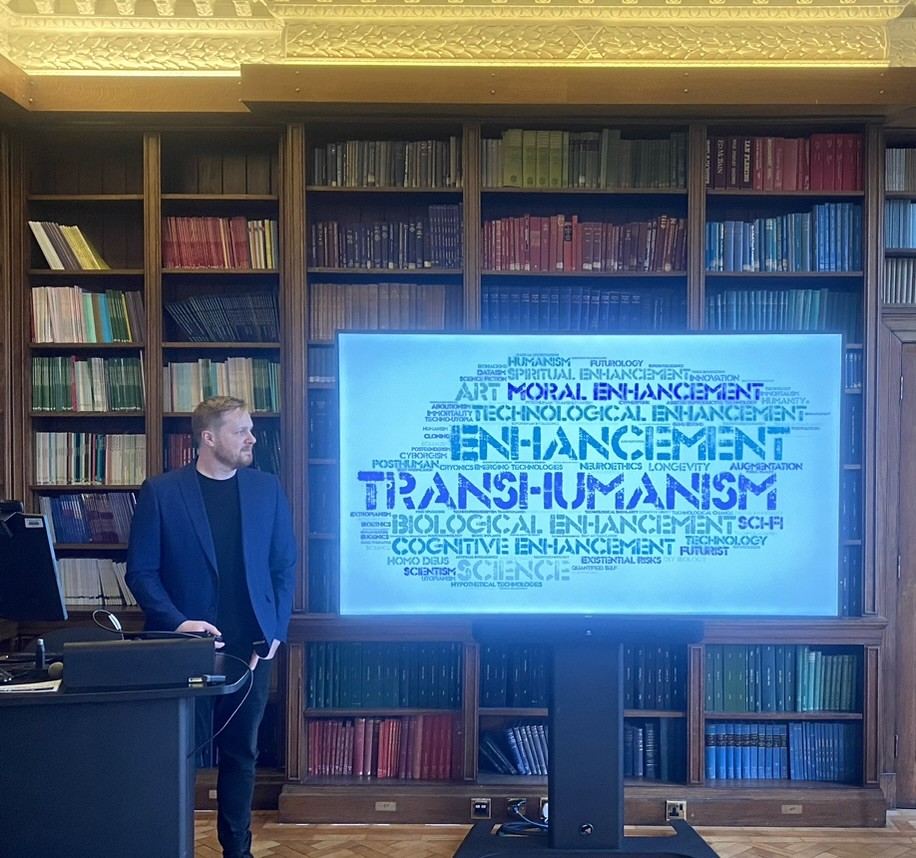
Liam discusses his experience in getting published.
In early 2025, my supervisor, Professor Michael Hauskeller, was invited to contribute a commentary to the American Medical Association Journal of Ethics on a case study centred on epigenetic aging clocks. He then asked me whether I wanted to co-author the article with him, because my background and research interests were very much aligned to the topic and field in question. The writing began after a discussion about how to divide up the article, with my section being the later technical elements and the conclusion.
The article was peer-reviewed, and when, after a lengthy period of peer review, the assessor’s comments came in, they suggested various amendments, which proved far from easy because the reviewers had very different ideas about what needed changing. While one preferred Michael’s slightly more philosophical commentary, the other preferred my slightly more technical commentary.
My personal learnings extracted from this rather laborious peer review process was that even within the same journal, and even though they must have been aware of the remit we were given with the provided case, the reviewers' subjective leanings still came into play. On the whole, I believe that writing this piece together helped in getting it accepted and published. Also, on a personal note, I found that publishing in conjunction with a much more experienced academic philosopher was a great experience, spanning the publication process, the ideation, and the writing itself.