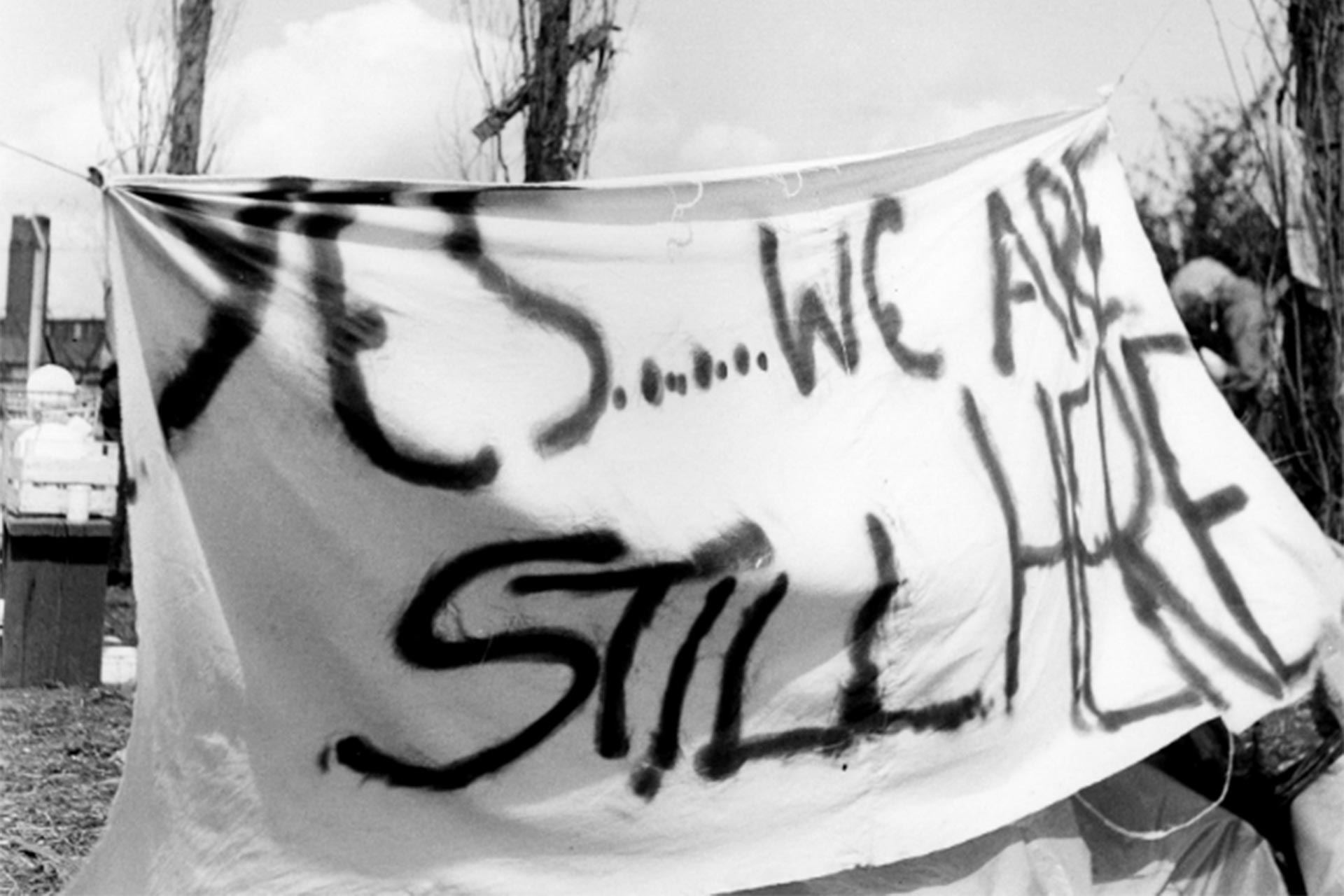
Would you march for days on end across the UK against the government? In 1981, that’s exactly what 36 women did, marching 120 miles from Cardiff, all the way to Greenham Common.
Why? It was publicised in 1980 that 160 American Missiles were to be based in Britain’s Greenham RAF base. The fear and outrage these women and mothers felt for the safety of their country led to one of the longest and most influential feminist peace protests modern history has seen. Yet, many people have never heard of the Greenham women's important endeavours.
I will admit, despite doing a history degree, I had also never heard of the Greenham women! Only after taking a module on Global Nuclear Heritage and Culture in my second year at the University of Liverpool did I discover the impacts of Cold War anti-nuclear activism- including the Greenham women… and that I was generally really interested in nuclear history.
But how did this relatively small march in 1981 lead to 19 years of protest? When their initial march did not receive the results they called for, they set up a permanent camp in 1982, making Greenham Common their home. Their permanence at Greenham attracted major media attention, and in doing so, numbers grew, and the spotlight was placed on the debate they wanted the public to be engaging in- Should the UK store nuclear weapons for a world-leading power?
Why women? The empowering story of the Greenham women brings together feminist solidarity and power in activism against the very real nuclear anxiety the public felt during the Cold War. The most noticeable aspect of this protest was the lack of male involvement… an intentional feature. It reflected the exclusion women felt from political matters, such as this one.
Women would stay for both long and short durations, and the power of this protest saw 70,000 women participate during the 19 years, 50,000 of them encircling the Greenham base, linking arms in 1983. The Greenham women faced their first major eviction from the camp a year after this in 1984, with little success. Over the decade, they were evicted several times and always persisted. Even when hundreds of women were arrested for trespassing, obstruction and vandalism for the cause, they only came back stronger- and more determined for the government to hear them.
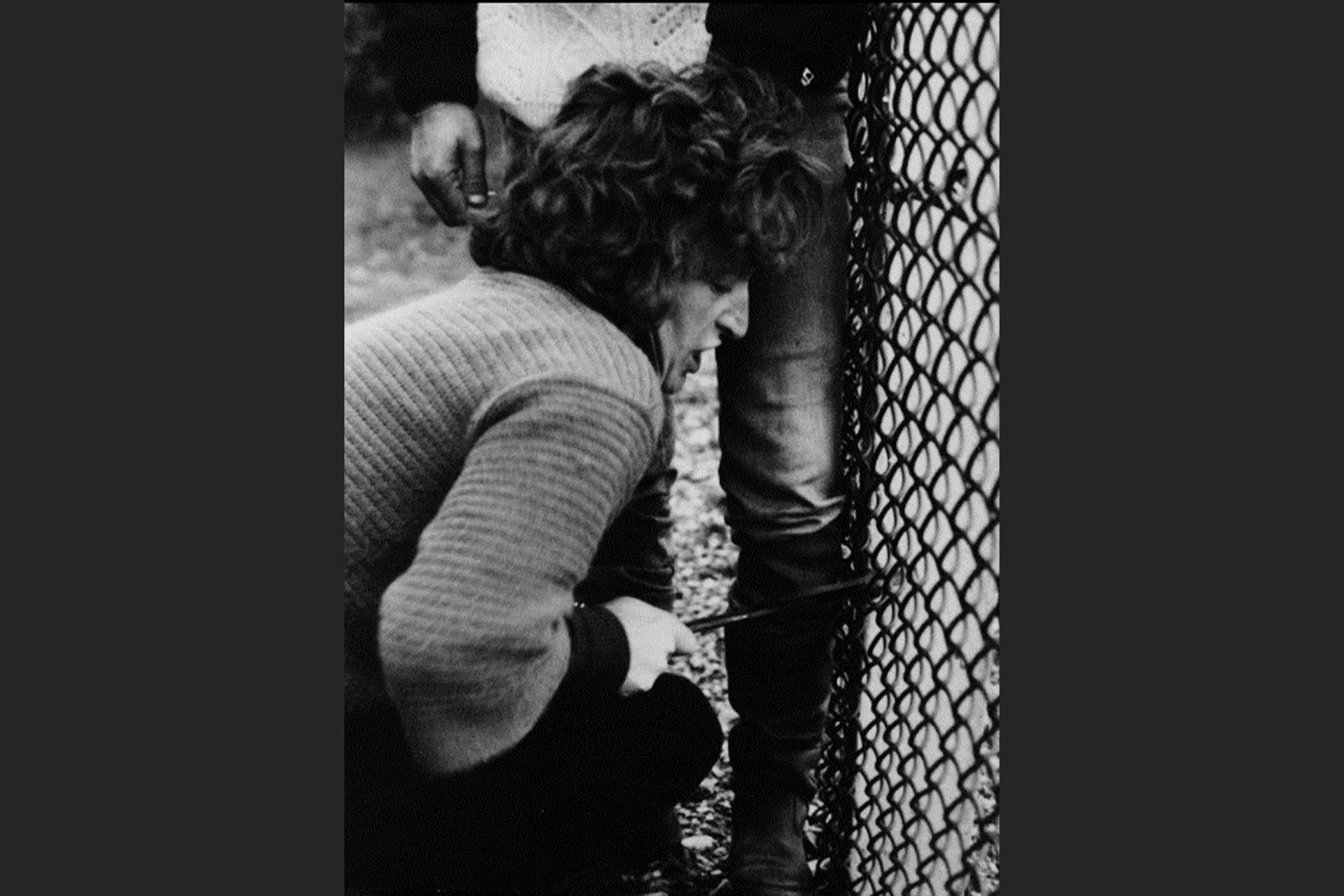
Eventually, they did. The camp kept the ‘nuclear discussion’ visible, a hard issue to ignore, shaping the anti-nuclear movement. Finally, the nuclear missiles were removed from the base after 19 long years.
Rosy Bremer reminisces that standing together, they were “directly stopping exercises for war, and what an amazingly powerful, brilliant thing to do”.
Similarly, Jan Castro Fraser says, “without having been involved in Greenham, I don't think I would have ended up the person that I have ended up.”
The camp inspired similar protests, influenced policy and encouraged women’s involvement in politics, whilst also shaping independent and confident versions of themselves, through participation in their solidarity and community.
Image 1 and Image 2 used under Creative Commons Attribution-NonCommercial-NoDerivatives 4.0 International License.