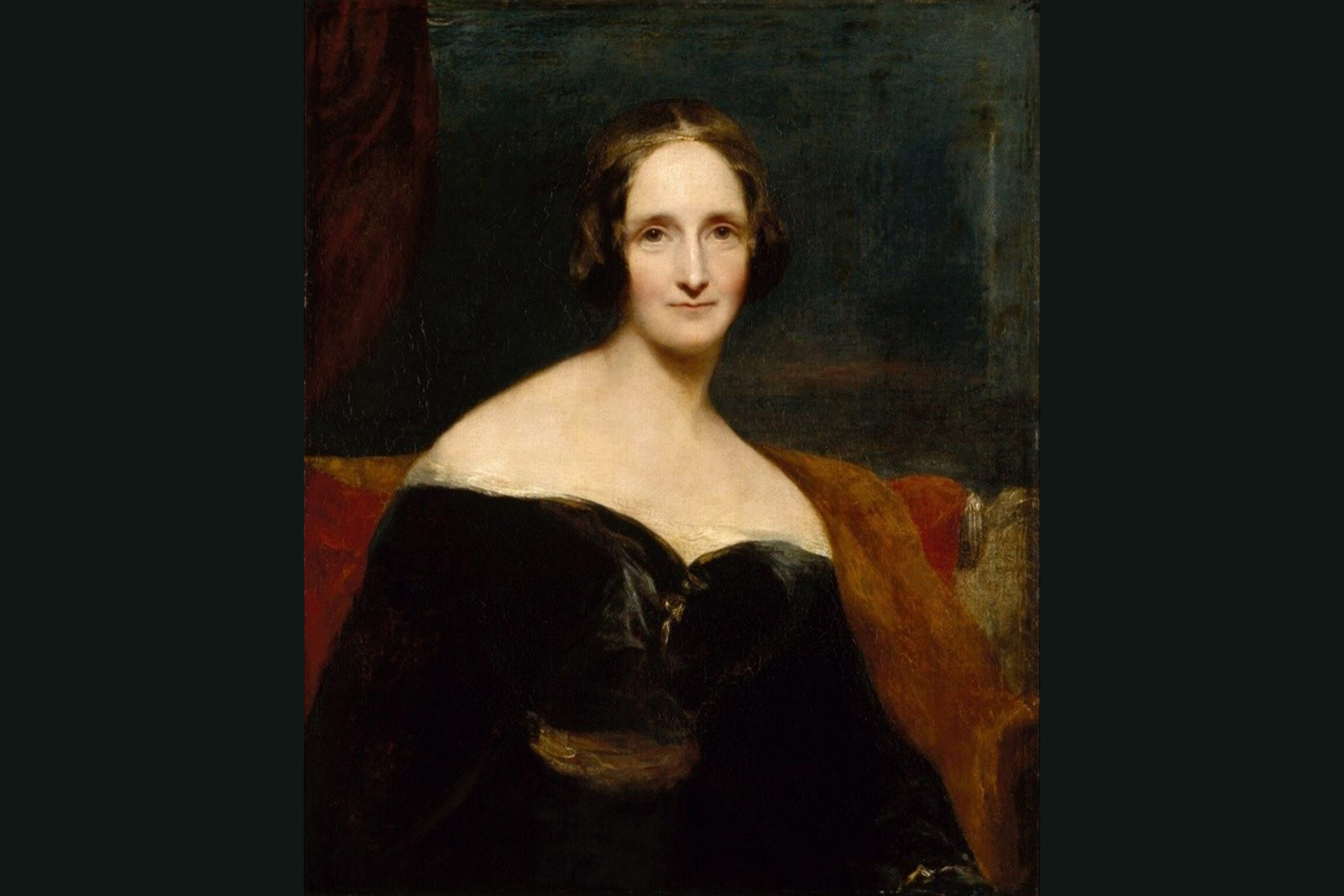
As a lover of all things horror, Mary Shelley is infinitely inspiring to me. Since my first ever reading of Frankenstein, aged 14 in GCSE English class, I have been captured by her and her beautiful stories, which have shaped my interests and aspirations going into adulthood.
For International Women’s Month, I want to celebrate Shelley, as the woman who introduced science fiction into mainstream literature, and as the embodiment of perseverance. Hopefully, this motivates you to pick up one of her other novels or short stories, or something similar by another incredible female author (see the reading list at the end!).
Born 30 August 1797, to political philosophers and authors Mary Wollstonecraft and William Godwin, Shelley grew up in a household that encouraged her intellect and ambition. Wollstonecraft died eleven days after giving birth, which profoundly impacted Shelley, with themes surrounding absent parents clearly demonstrated in Frankenstein. By her 22nd birthday, Shelley had also lost her husband and three of her four children. The scale of loss she suffered at such a young age is unthinkable, but she relentlessly persevered, utilising her writings to express her grief.
In the summer of 1816, Mary and her husband holidayed in Geneva with other icons of the Romantic era. The group competed to write the scariest ghost story, and it was here that Frankenstein was born. Less than five years older than I was when I first read her masterpiece, Shelley wrote one of the most important pieces of Gothic fiction in history, crafting one of the most inspired horror stories of all time.
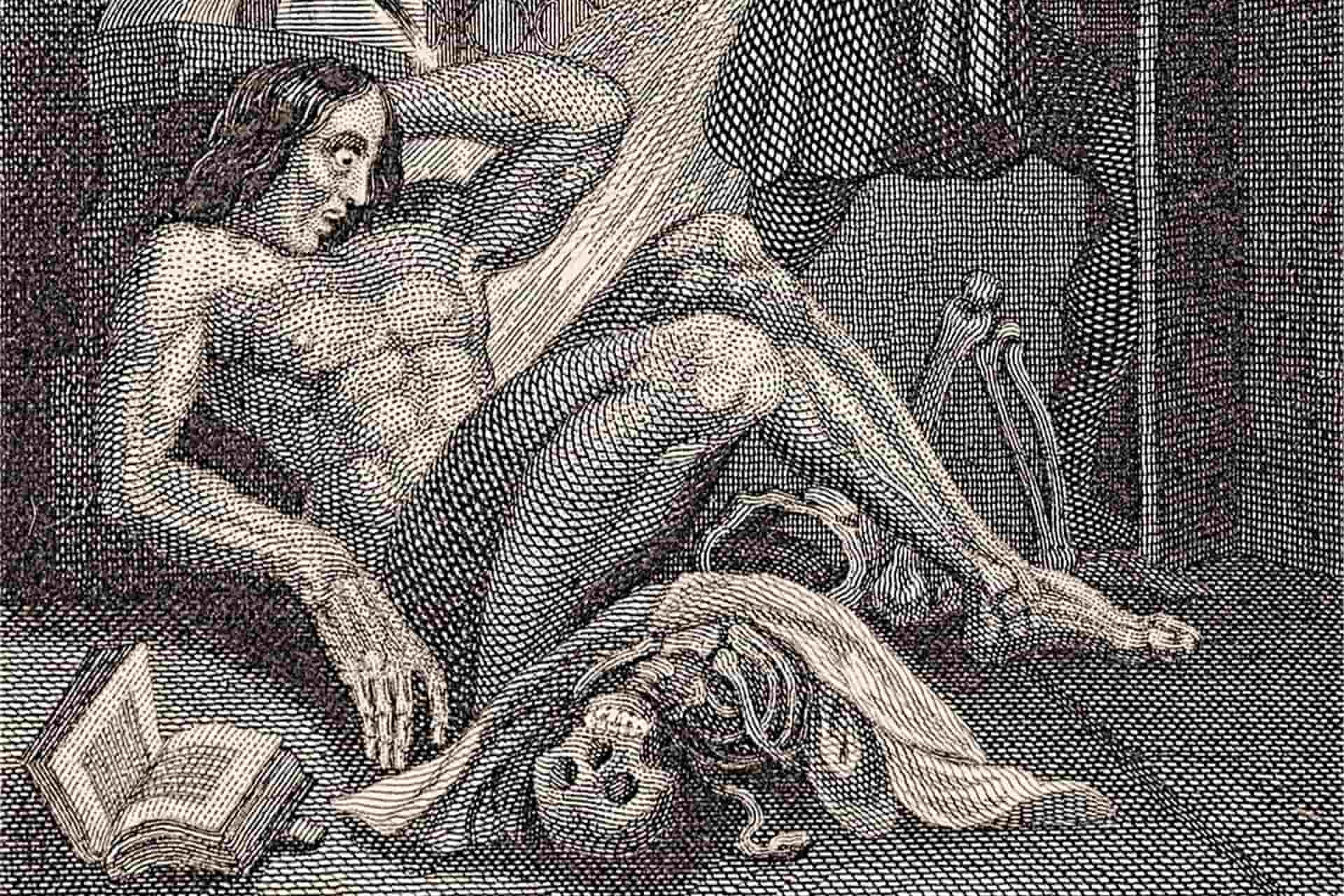
The tale of a mad doctor and his monstrous creation is now a well-established trope, endlessly reimagined. The image of an experiment gone very wrong is exciting and terrifying to audiences. But in a beautiful subversion of expectations, Shelley’s Creature is more human than anyone else. The novel’s blend of horror and sci-fi is complemented by genuine heart, transforming it into an enduring story of life, loss, and human nature. The story captures the anxiety of the modern world, from the first scientific developments Shelley witnessed to twenty-first-century issues. Shelley’s work is also cemented in popular culture, inspiring countless films, TV shows, books and even video games.
Shelley published Frankenstein anonymously, and upon revealing that she wrote it, critics downplayed her work, considering it a romance, an ‘acceptable’ genre for a female writer. During her lifetime and into the mid-twentieth century, Shelley’s accomplishments were frequently attributed to her husband’s or parents’ influence, and she was portrayed as little more than a wife and daughter.
The feminist movement helped reassess her legacy, and she is now rightfully presented as a powerful author who explored difficult social and political topics. This begs the question: how many other female authors have been subjugated and lost to history?
Shelley’s story is one of endurance. Overcoming all that she did and creating one of the most beloved stories in all of fiction should be celebrated.
She changed literature forever as an underestimated teenager.
Interested in more? Here’s my reading list of women in sci-fi and horror literature:
- The Last Man (1826) – Mary Shelley
- The Phantom Coach (1864) – Amelia Edwards
- Carmilla (1872) – Sheridan Le Fanu
- The Yellow Wallpaper (1892) – Charlotte Perkins Gilman
- The Were-Wolf (1896) – Clemence Houseman
- The Lottery and Other Stories (1949) – Shirley Jackson
- The Birds (1952) – Daphne Du Maurier
- The Woman in Black (1983) – Susan Hill
- Beloved (1988) – Toni Morrison
- The Last House on Needless Street (2021) – Catriona Ward