The Western Approaches Command is often cited as “the building where the Second World War was won.” After moving to Liverpool from Plymouth in 1941, Combined Operations set up in the Derby House at Exchange Flags (not too far from the Docks). This move was prompted by German aircraft and U-boats (submarines) attacking ships travelling to Britain from the French coast. As a result, vessels were rerouted around the north of Ireland, which made Liverpool an important strategic location during the Second World War.
Whether you have heard of the Western Approaches or not, it was a pretty big deal. Throughout the years of the Second World War, Liverpool was Britain’s main convoy port, and the command ensured the successful delivery of supplies and equipment into wartime Britain from the sea. It played a big part in winning the Battle of the Atlantic, the longest continuous military campaign of the Second World War.
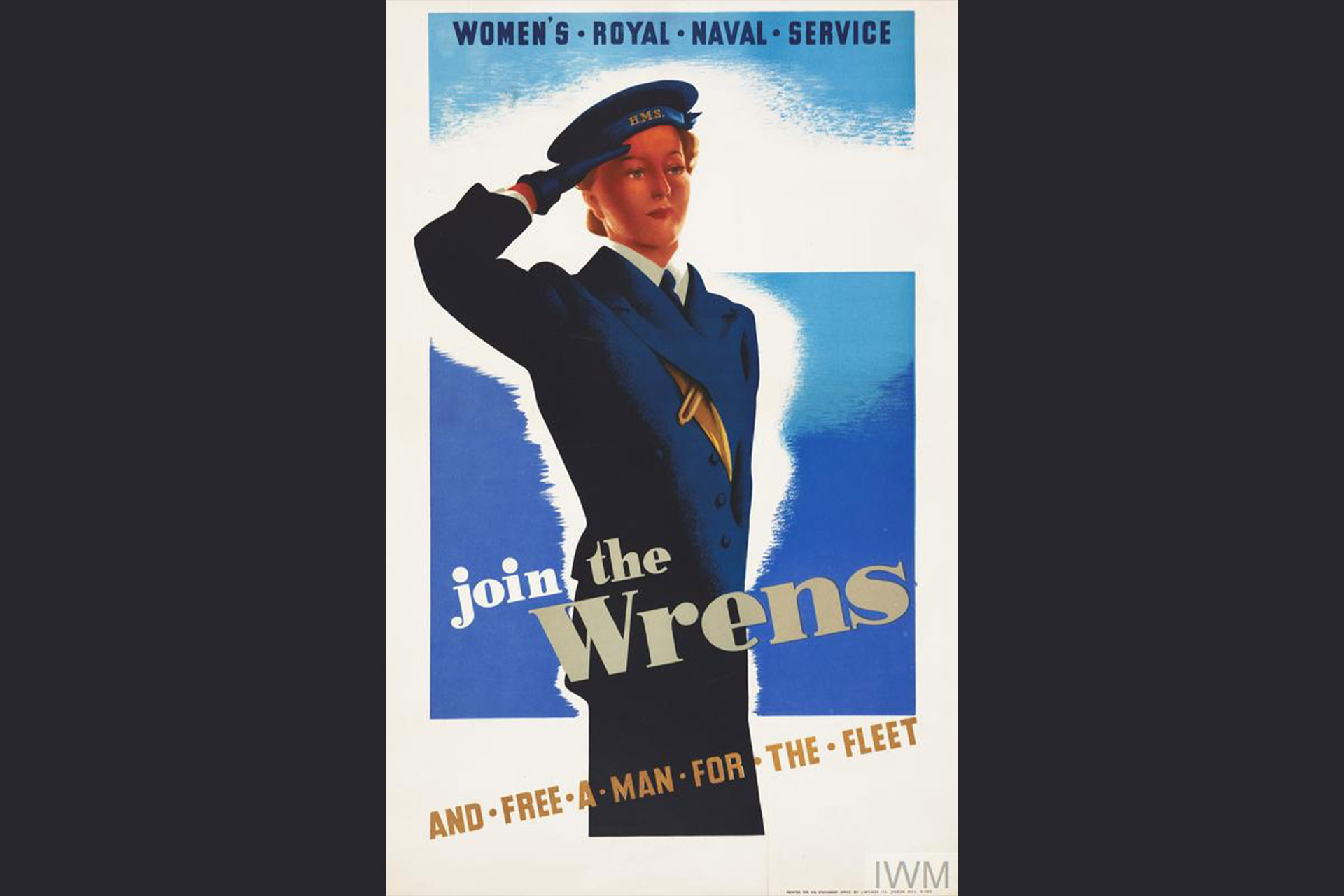
But as many heroic war stories go, what, or should I say who, goes undetected in such recollections? The young women, mostly aged just 19-21, worked tirelessly at the Western Approaches Command, playing an invisible yet vital role in the Second World War victory. Are you surprised that women worked there? Would you be more surprised if I told you that 80% of the staff were women? The Women’s Royal Naval Service, also known as Wrens, staffed jobs such as decoding incoming signals, acting as radio and teleprinter operators, and training naval officers in anti-submarine warfare. Their tactical successes even sometimes surpassed records set by their highest-ranking male superiors. Despite this impressive performance, they remained unseen and overlooked, and it would be another five decades before women could serve aboard an operational warship.
Captain Gilbert Roberts was in charge of a small team called the Western Approaches Tactical Unit (WATU). Upon arrival in Liverpool, he was disappointed that it was mostly comprised of young women from the Wrens. These 4 Wren officers (Elizabeth Drake, Jane Howes, Jean Laidlaw, and Nan Wailes) and 4 privates (Janet Okell - only one name could be found) excelled in anti-submarine warfare techniques and technology. They even developed a new tactic, which Jean Laidlaw called “The Raspberry” (because that’s what she wanted to give to Hitler). “The Raspberry” worked fantastically out in the field, and WATU set up a course to train naval officers. The women continued to develop new tactics throughout the course of the war, which led to Roberts getting a promotion, but naturally, not the Wrens.
This Women's History Month, it’s important to honour the brave and talented women who didn’t get the representation and respect they deserved. Find the time to visit the Western Approaches Museum, which is still located in the original building where the battle was fought and won and learn more about the Command and the women who worked there. Explore the Wrens Museum, located inside the original sleeping quarters used during the war. It is devoted to the history of women in Royal Navy service, not only covering the period of the Second World War but also the full story of the Wrens from 1917 to their disbandment in 1993.