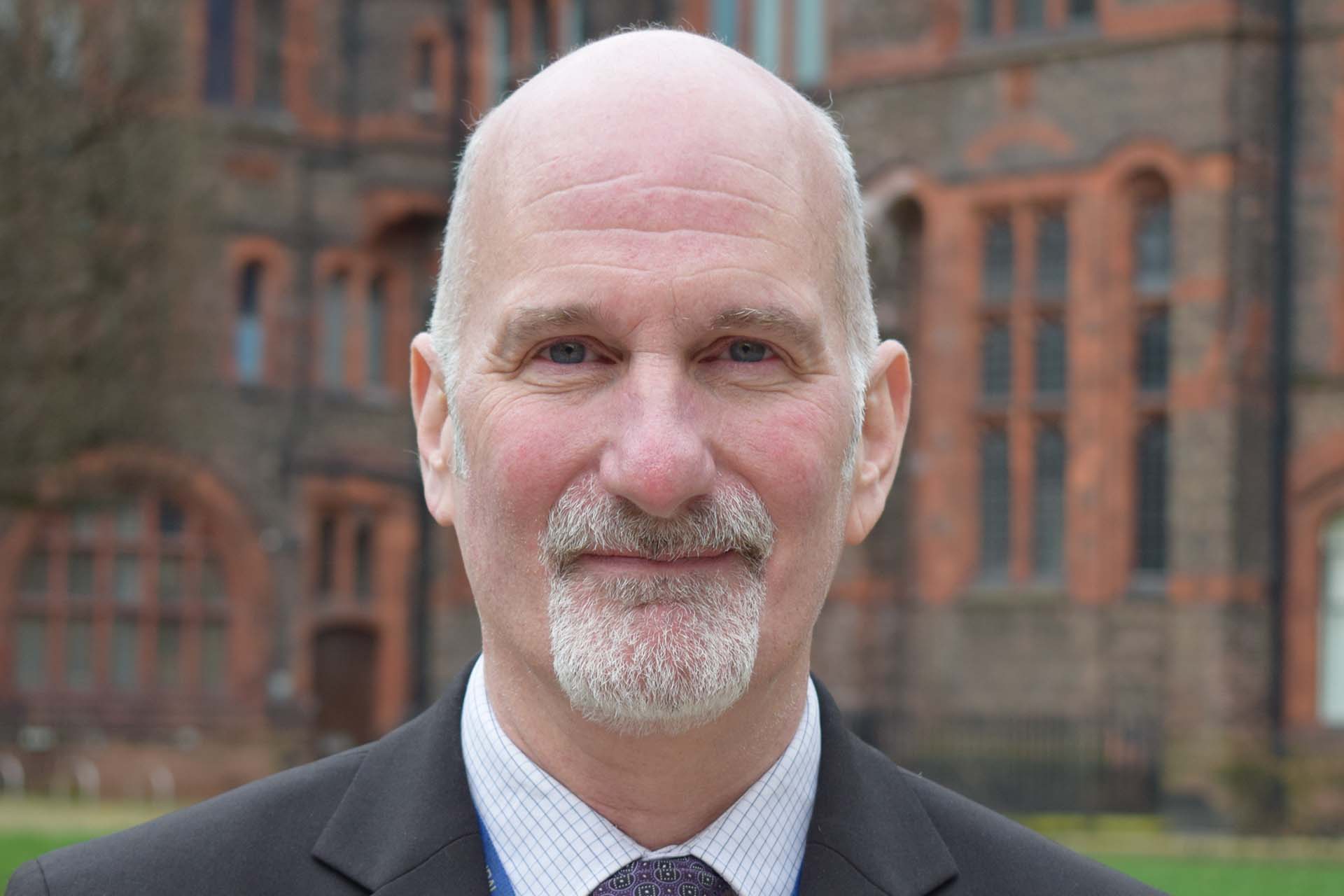
Professor Dan Pope, reflected on more than two decades of research at his recent Inaugural Lecture, highlighting a career tackling household air pollution and its impact on global health.
Professor Pope’s lecture, held at the Rendall Lecture Theatre on Thursday 5 March, traced the development of research into household air pollution as a major global health issue, outlining the scientific journey that has shaped current understanding of the risks associated with polluting fuels used for cooking and heating in homes around the world.
He began by discussing the early origins of the field and the landmark RESPIRE randomised controlled trial in Guatemala. The project helped provide some of the first robust evidence linking smoke from household cooking fuels to respiratory disease and other health impacts. Professor Pope described how this work helped establish the importance of rigorous epidemiological research in demonstrating the health benefits of cleaner cooking technologies.
A central focus of the lecture was Professor Pope’s work in Africa through the CLEAN-Air (Africa) programme, a major research initiative examining household air pollution in countries including Kenya and Cameroon. The project brings together researchers, policymakers and community health workers to better understand how households use fuels and cooking technologies, and how transitions to cleaner energy can be supported.
The lecture also highlighted related studies, such as research examining barriers to the adoption of liquefied petroleum gas (LPG) for cooking in Cameroon. These projects aim to understand the social, economic and policy factors that influence the uptake of cleaner fuels.
Concluding the lecture, Professor Pope emphasised the continued need for collaborative global research to address household air pollution—one of the leading environmental risks to health worldwide—and to ensure that cleaner, safer energy solutions are accessible to communities most affected.
You can watch the Inaugural Lecture, and all previous IPH Inaugural Lectures, here.