International Women’s Day is all about celebration. Celebrating women, their achievements and their voices. But it’s also about recognising the difficulties women continue to face every day, particularly when it comes to our health.
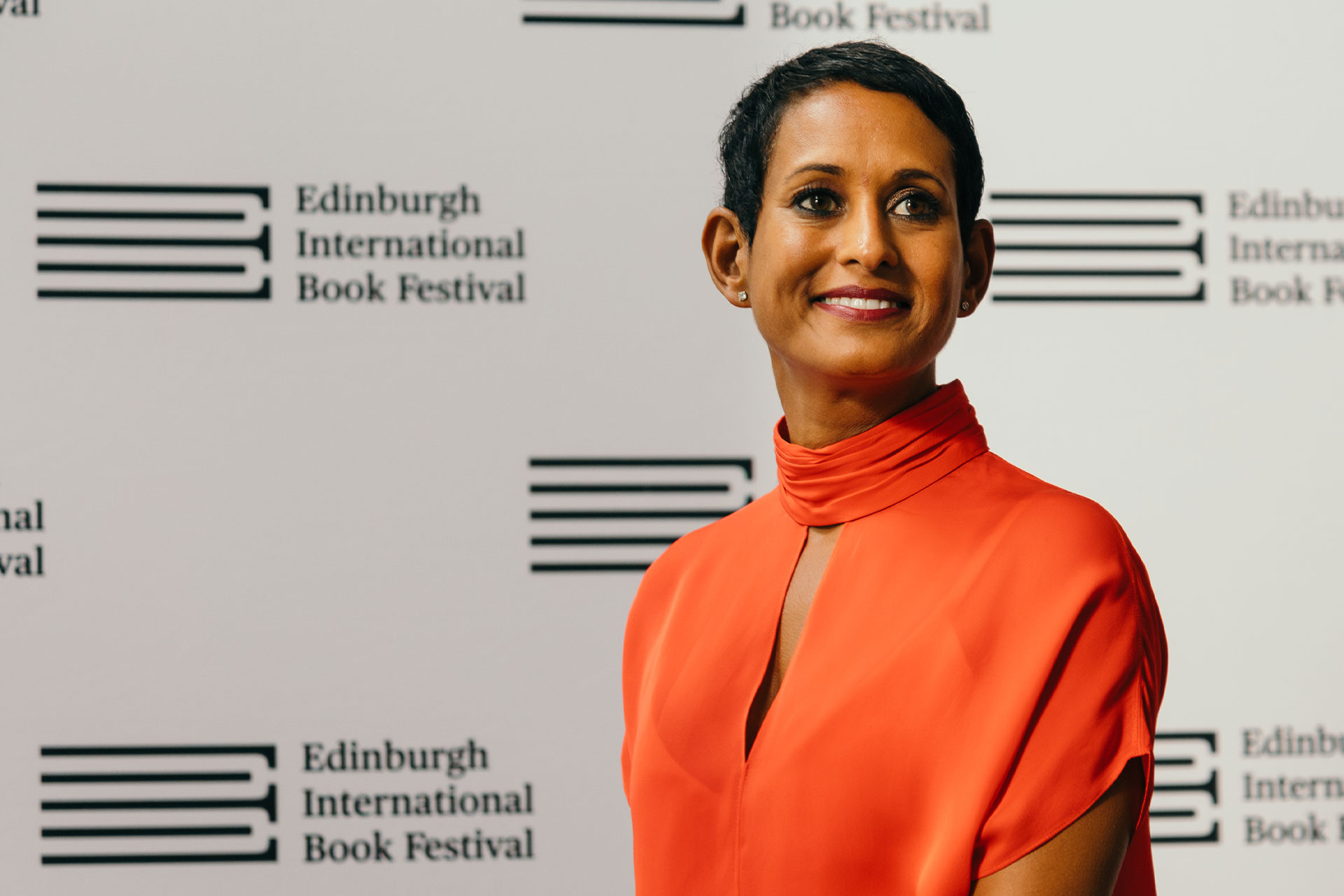
Naga Munchetty perfectly embodies both celebration and challenge all year round. The BBC presenter has become a crucial voice in women’s health after sharing her experience with adenomyosis, a condition that affects around one in ten women in the UK, yet remains widely misunderstood, dismissed and untreated.
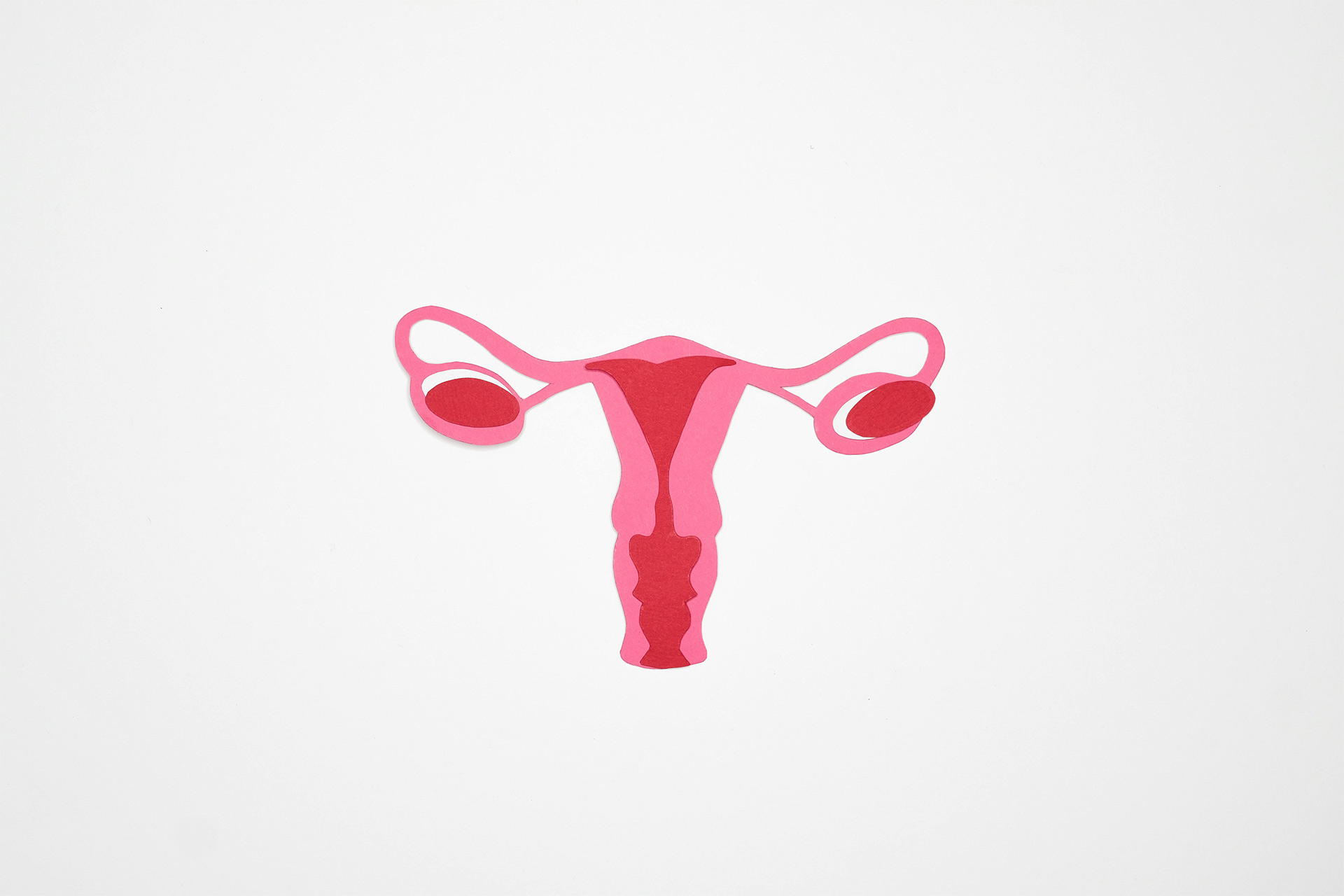
Adenomyosis is a condition where the lining of the womb grows into the muscle of the womb. It can cause heavy, painful periods, painful sex, chronic fatigue and a number of other debilitating symptoms. It is often referred to as the “evil sister” of endometriosis, yet it is far less recognised despite the impact it has on so many women’s lives. Many women face both physical pain and the exhaustion of not being believed.
In her book “It’s Probably Nothing: Critical Conversations on the Women’s Health Crisis (and How to Thrive Despite It)”, Munchetty shares her personal battle with the condition. For over 30 years, she was told by doctors to “suck it up” and get on with it. This is an encounter that women with adenomyosis and other menstrual health issues will know all too well.
Munchetty’s story speaks to a much wider issue: medical misogyny. This is a term used to describe the ways in which women’s pain and symptoms are dismissed and downplayed within healthcare systems. For decades, research has centred predominantly on men, leaving significant gaps in our understanding of menstrual health. Ancient philosophers even thought that the womb was an aggrieved living creature that wandered the body, strangling other organs! As a result, women’s pain is often labelled “normal” or an “overreaction”, leaving many women to fight for help. Here, advocacy becomes essential, and Munchetty’s book offers practical guidance on asking questions and trusting your instincts.
Naga Munchetty serves as a reminder that strength comes in many forms. Sometimes, it looks like showing up to present the morning news while battling an invisible condition. Other times it can look like using your platform to demand better care, better awareness and better treatment options. Strength in this sense is about speaking up.
This International Women’s Day, we should celebrate achievement while acknowledging the injustices women still face. Most importantly, we should listen to the women who are fighting to be believed.
At the University of Liverpool, the Women’s Health Advocacy Society is working to overcome these barriers, creating conversations about women’s health and challenging the stigma surrounding menstrual health problems. Find more information about the society.