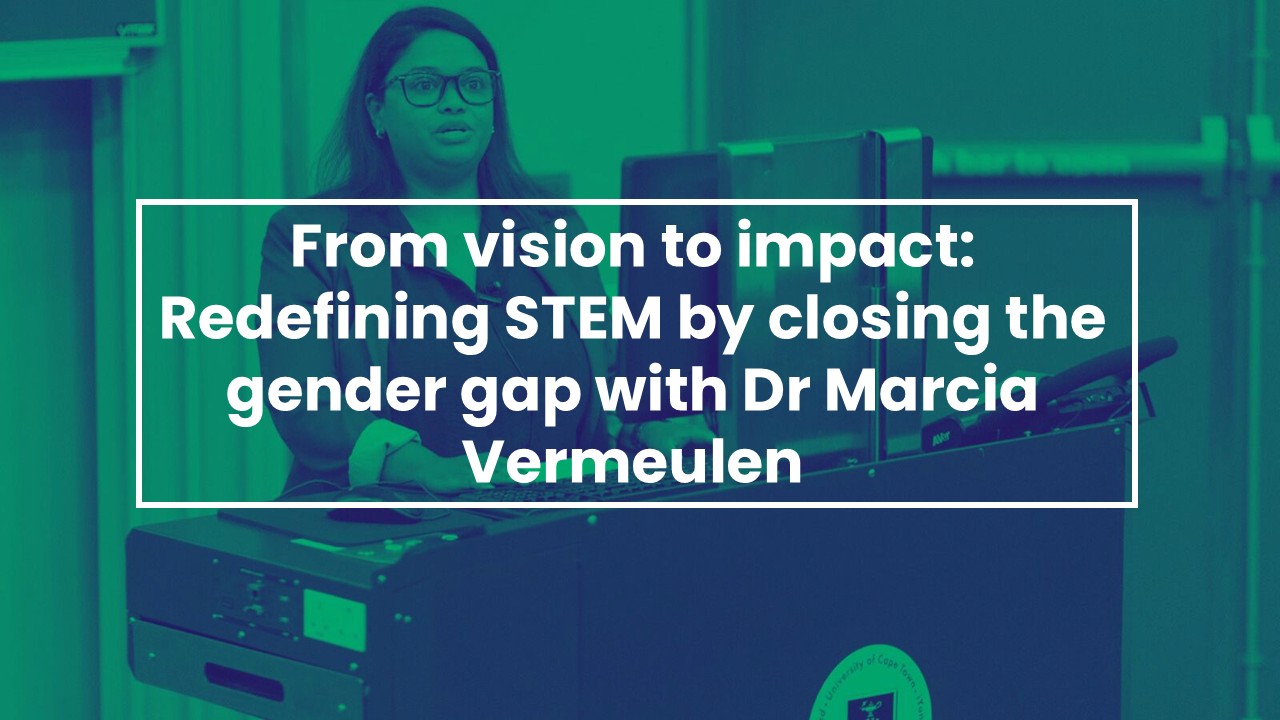
We have celebrated International Day of Women and Girls in Science for the last two years and 2026 is no different.
This UNESCO day sits on 11 February every year and, as well as celebration, aims to shape
a future where science and gender equality advance together.
The theme this year is ‘From Vision to Impact: Redefining STEM by Closing the Gender Gap’. From UNESCO’s Status and Trends of Women in Science report from last year, only 1/3 researchers globally are women and only 35% of STEM graduates.
We thought this would be a good opportunity to highlight the work and journey of a woman in research who has worked closely with the tuberculosis (TB) work in our LONGEVTIY project.
What is the LONGEVITY project and its TB work?
LONGEVITY is an international consortium of organisations with expertise to take a long-acting medication from concept to clinical trial. Overseen by the Centre of Excellence for Long-acting Therapeutics – Global Health (CELT Global Health) and our co-Directors Professor Andrew Owen and Professor Steve Rannard, more specifically LONGEVITY is working hard to create long-acting treatments for hepatitis C virus, and prevention of TB and malaria for patients in low- and middle- income countries (LMICs).
For TB, the consortium aims to create a long-acting preventative so that people have options outside of a large pill burden from the current oral medications on the market. TB is preventable yet is having a disproportionate and devastating impact in LMICs. This suggests that current preventatives are either unavailable or don’t work for the people most in need of them. We believe a long-acting option will help address some of the barriers to adherence that we see.
A key component in this is making sure that this belief aligns with what providers are seeing and what patients in LMICs want. LONGEVITY was created knowing community and civil engagement would be at the forefront of our work, so it has been a part of LONGEVITY since work began. All LONGEVITY’s patient and provider work is overseen by University of Nebraska Medical Center (UNMC) and Treatment Action Group (TAG).
For our TB surveys, they worked closely with Dr Marcia Vermeulen, a Clinical Research Officer at the University of Cape Town, affiliated with Professor Graeme Meintjes’ research group. Marcia served as the Site Principal Investigator for the South Africa cohort of the LONGEVITY TB patient survey, which assessed patient and provider preferences for long-acting TB preventive therapy. She presented the work at the Conference on Retroviruses and Opportunistic Infections in San Francisco in March 2025 and co-authored the LONGEVITY TB survey manuscript, ‘Patient and provider preferences for long-acting TB preventive therapy’, published in the International Journal of TB & Lung Disease in May 2025.
Marcia kindly agreed to talk to us about how she found her way to research.
What does your job involve?
I am currently employed as a clinical research doctor on a Phase 3 clinical trial investigating new treatment strategies for patients with HIV-associated disseminated TB. This trial recruits critically ill patients with HIV, hospitalised with a new diagnosis of TB, from three district hospitals in Cape Town. My responsibilities include participant recruitment, follow up and clinical management of participants throughout their six-months follow up in the trial. This involves monitoring participants closely for adverse events and reporting adverse events to regulatory bodies. I have also taken on the role of on-site team leader, where I’m responsible for managing clinical staff schedules and overseeing the daily activities of team members to ensure smooth execution of the trial. Since 2025, I’ve been enrolled in the University of Cape Town Public Health Registrar Programme in a supernumerary capacity, training toward becoming a public health specialist.
How did your LONGEVITY work align with her job?
I am involved in TB research within Cape Town, South Africa and have seen the devastating effects of TB on my patients’ and their loved one’s lives. Given the high prevalence of TB in South Africa, preventive measures are essential to reduce the burden of disease. The innovative work of the LONGEVITY consortium of developing long-acting preventive TB therapy to reduce TB burden, deeply resonates with my work in TB research. From a public health lens, the reduction in TB burden would not only reduce morbidity and mortality but also relieve the burden on the South African health system and have a positive effect on the economy.
What has your professional / research journey looked like to get her to this point?
I graduated as a physician with an MBChB degree from the University of Stellenbosch in 2012. During my internship and community service, I witnessed the enormous burden of HIV in the Eastern Cape in South Africa, which ignited my interest in HIV medicine. I subsequently served as a medical officer in an HIV/TB unit at a primary health-care facility while pursuing a postgraduate diploma in HIV Management and Public Health, respectively. My passion for research led me to a role as a research medical officer with Médecins Sans Frontières (Doctors Without Borders), where I contributed to a clinical trial evaluating treatment regimens for drug-resistant TB. In 2019, I joined the Meintjes Research Group at the University of Cape Town, working on various observational studies and clinical trials. I earned a Master of Public Health from the University of Cape Town in 2025.
How did you find presenting this LONGEVITY research 5 times in 2025?
I was honoured to present the LONGEVITY TB survey findings during a themed discussion at the Conference for Retroviruses and Opportunistic Infections (CROI) in San Francisco, marking my first international conference. I also shared the results during an online community engagement webinar hosted by TAG and at two local research symposiums. While the core findings remained the same, each presentation needed to be tailored to suit the specific audience. I appreciated the varying questions and discussion points from the diverse audiences, that led to stimulating and thought-provoking interactions.
Was there a moment where you realised that you wanted to be a scientist?
From a very young age, I aspired to become a doctor. This ambition was often perceived as presumptuous, given that women from my small town typically pursued careers in nursing or teaching. Moreover, as a woman of colour in a country still grappling with the legacy of apartheid, a medical career was by no means guaranteed. Nevertheless, I was afforded the opportunity and support necessary to pursue, and ultimately, realise my dream.
Was there a moment where you realised that you are a scientist?
There wasn’t one moment that I can pinpoint, however I hope that the work that I do contributes to science but more so improves the health and wellbeing of people. I see every project as a unique opportunity to learn and improve my skills in science. I know that it is a continuous process and with each project I aim to grow both professionally and personally.
Have there been any challenges on your journey to reach this point?
I’ve found that juggling work, postgraduate studies, and motherhood to two young children is both challenging and deeply rewarding. While I often grapple with “mom guilt”—worrying about missing out on the important moments—I remain steadfast in my commitment to my own dreams. I hope that by pursuing my goals with hard work and dedication, I will inspire my children and other young people to chase their own dreams with resilience and purpose. Maintaining a good work-life balance is always a challenge.
Another challenge is comparing yourself to others, especially in academic environments where the pressure to publish and excel is constant. I’ve tried to not compare myself to colleagues but rather learn from them and use professional relationships to collaborate and create networks.
Was there any advice you received or wish you’d been given to help you get to where you are?
I wish I’d been exposed to clinical research earlier in my undergraduate years. I believe it would have steered me toward research roles sooner. My mentor’s guidance—that success in research comes from charting your own path—encouraged me to actively seek opportunities to grow and develop.
I encourage aspiring researchers to surround themselves with mentors that can support, teach and guide them.
Marcia’s motivations and enthusiasm were evident throughout her work with LONGEVITY. Her detailed findings and work to provide a timely publication were clear enough, but presenting the research at four different international events in one year showed her drive and passion in her area of expertise. She’s shown how effectively hard work, drive and belief in ourselves can help us to achieve milestones in both professional and personal areas of our lives.
The discussion of finding balance and beneficial support is key and Marcia is a fantastic example of making this work. From vision to impact, Marcia is part of the journey to redefine STEM by closing the gender gap.
#February11
The LONGEVITY project aims to simplify hepatitis C virus, malaria and tuberculosis treatment and preventative treatment to reduce the drug burden and the number of patients requiring complex therapies for active disease.
Find out more about the LONGEVITY project
The LONGEVITY Project is funded by global health agency Unitaid.

The project also involves critical partners and collaborators in the Clinton Health Access Initiative, Johns Hopkins University, Medicines Patent Pool, Tandem Nano Ltd., Treatment Action Group and the University of Nebraska Medical Center.
