Leadership sometimes seems far away from the lives of ordinary people. When people first try to organise or manage some projects, they feel lost easily.
People have the skills needed for their jobs; however, the actual leadership is difficult to perceive or describe. That is also a common story in the world of work-based learning (WBL).
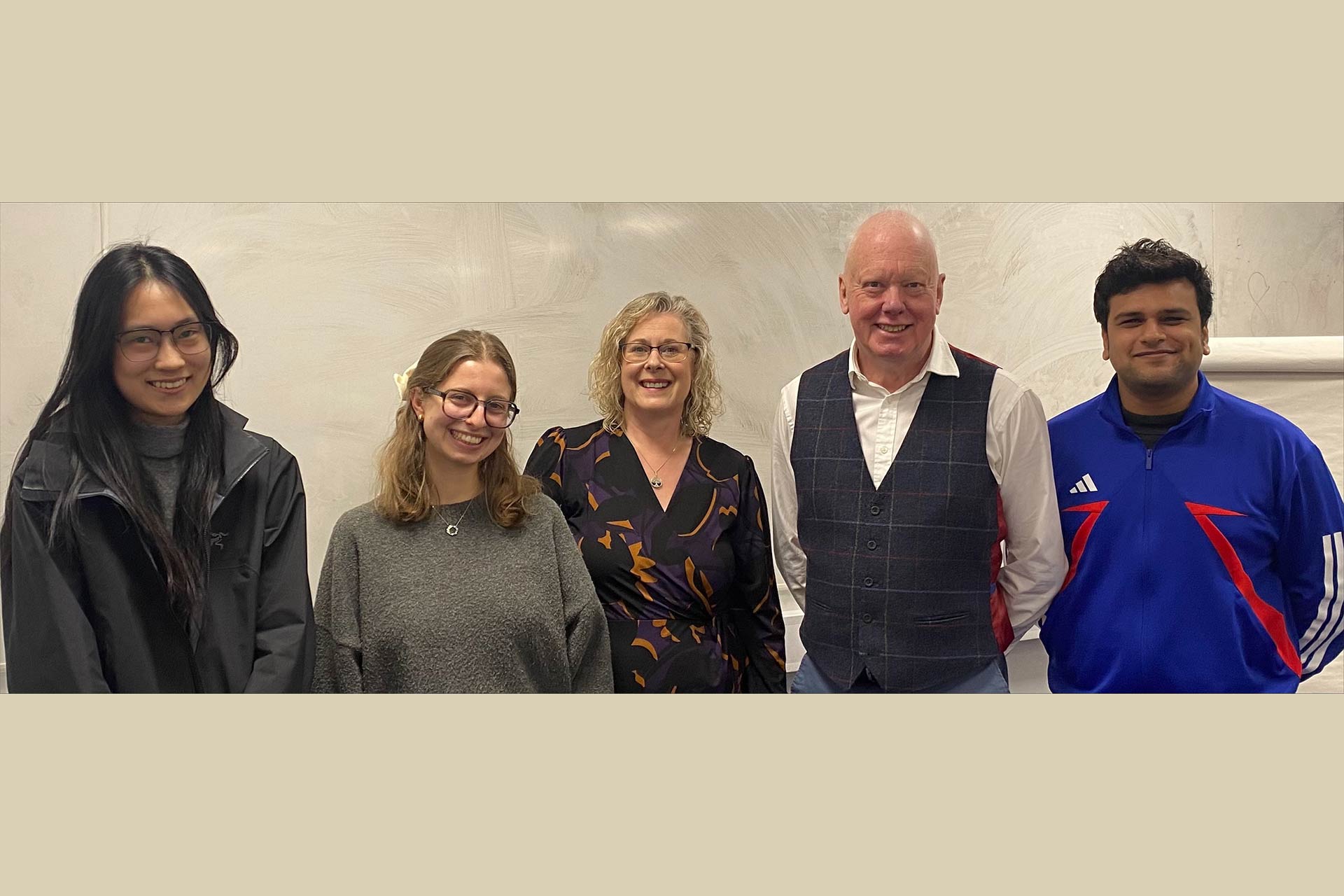
On 12 December 2025, we had a visit from Dr Paul Irvine as part of our MA Education Reflective Practice module. A teacher for 36-years, Paul is now a leadership consultant, executive coach and educator known for his senior role in the Army Cadet Force and holding a PhD in educational leadership development. In a 2017 paper, Irvine and Brundrett entitled “Negotiating the next step: The part that experience plays with middle leaders’ development as they move into their new role”, and as we discussed in our session, Paul indicates that successful leadership usually requires three key things: our fixed personality traits, skills and accumulated experience. For beginners, the first two are usually fine, but experience feels out of reach until formal titles have been received – and then, that is only part of the journey.
During the session, we were given some time to think about what kinds of leadership experiences we had experienced in the past, whether in our families, colleges or workplaces. To my surprise, I realised that I have more leadership experience than I previously thought. The activity is not about listing past job titles; it was designed to show us that the experience we need to become an effective leader is not just trapped inside an office or a meeting room. We can experience leadership almost every day and in any context. It forced us to look at those casual and messy moments that we all have and recognise them as important sources of leadership learning. According to Irvine and Brundrett 2017 the purpose of this experience is simple, just to turn us from a novice who relies on analytical reasoning into an intuitive decision-maker who draws on internal “mental maps” or “scripts”.
After that, we reflected on the three things we value most at the current stages of our leadership and learning journeys, and I answered: freedom, relationships and wellbeing. In my view, this part highlights the frame of self- perception in leadership ability, to focus on our core values. It to some extent links the need for leaders to develop adaptive traits like resilience and recognise risks which threaten their personal well-being, abilities, and skills.
Now I can finally understand that leadership can come from every experience in daily life. For instance, a complicated family trip we organise or a failure in the workplace can always teach people more about personal management and handling conflicts than just listening to others. Furthermore, we can still collect lessons from peers and academic research to refine our judgement, because seeking out an experienced peer for advice is a vital way to learn. Leadership today is about self-awareness, personal traits and skills, not just management and administration.
In conclusion, the most important value I learned in this session is to stop just waiting for a chance to come along in order to start leading, but to try to reflect on the casual or complex moments in daily life, especially our failed experiences, which can be our most powerful leadership training, and our best opportunities for reflective practice.