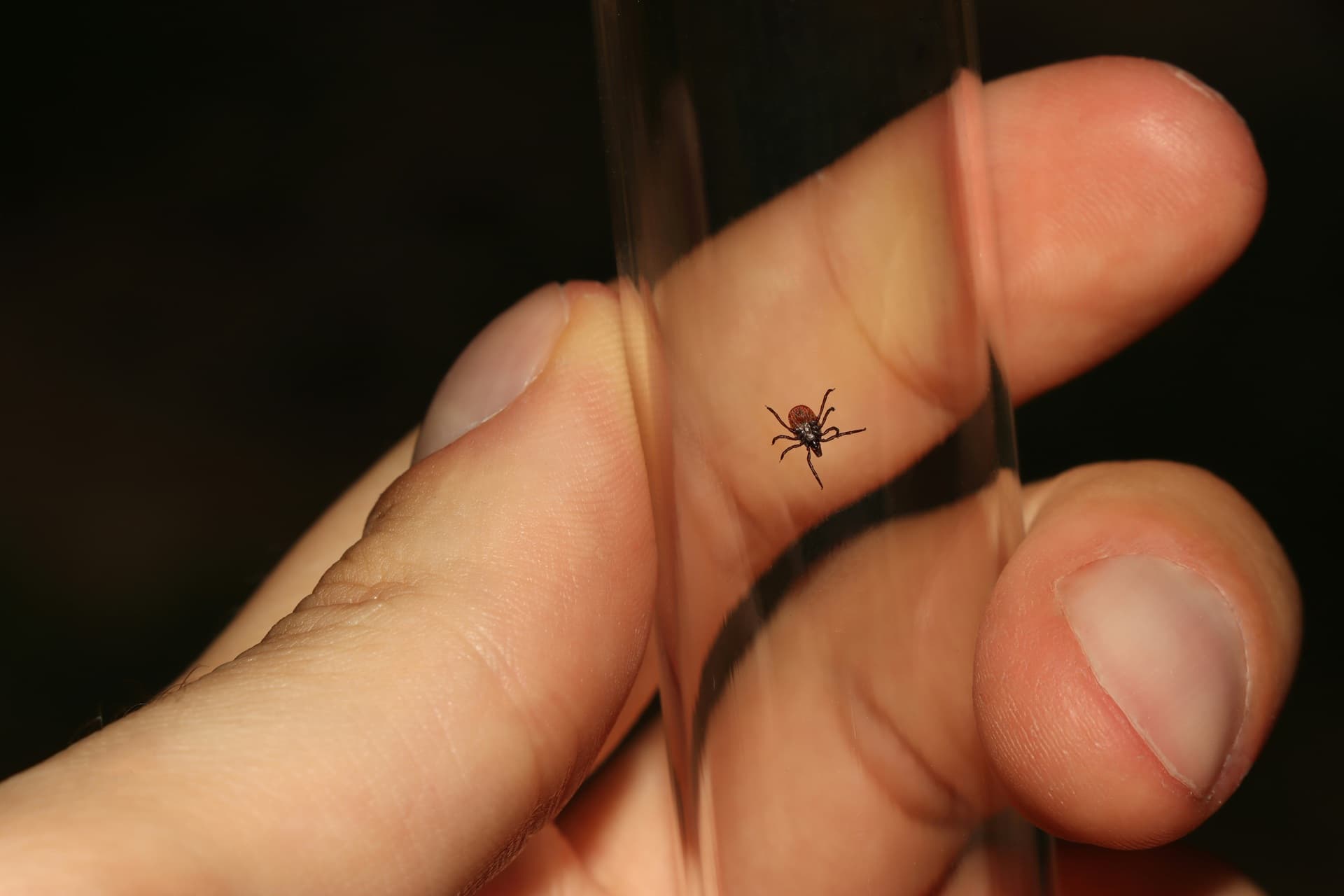
Tonix Pharmaceuticals Holding Corp., a fully-integrated commercial stage biotechnology company, announced program updates on TNX-4800 (formerly known as mAb 2217LS), which is a long-acting human monoclonal antibody (mAb) that targets the outer surface protein A (OspA) of Borrelia burgdorferi, the causative agent of Lyme disease in humans.
TNX-4800 is being developed for annual seasonal use, as one subcutaneous administration in the spring to protect against Lyme disease through fall, or the entire tick season in the U.S. There are no currently marketed U.S. Food and Drug Administration (FDA)-approved vaccines or prophylactics to protect against Lyme disease.
We plan to meet with the FDA in 2026 to explore Phase 2/3 development options. We believe a controlled human infection model (CHIM) study using Borrelia-infected ticks that mimics natural infection would be a potential path to demonstrating TNX-4800 efficacy for approval. We are on a path to have investigational product produced under Good Manufacturing Practices (GMP) available for testing early in 2027. We believe TNX-4800’s long-acting mAb prophylaxis could play an important role for preventing Lyme for millions of people who live, work, and vacation in regions endemic for Lyme disease. TNX-4800 provides near-immediate immunity to the bacteria that cause Lyme disease after a single administration, which is very different from Lyme disease vaccine programs currently in development. Prophylaxis with TNX-4800 may also avoid the limitations of vaccine products designed to actively immunize against Lyme, including suboptimal immune responses from age, immunocompetence, and other reasons.
said Seth Lederman, M.D., Chief Executive Officer of Tonix Pharmaceuticals.
About TNX-4800
TNX-4800 (formerly known as mAb 2217LS) is a fully human monoclonal antibody with an engineered extended half-life that targets the outer-surface protein A (OspA) on Lyme-causing Borrelia bacteria. By binding OspA when TNX-4800 containing blood is ingested by the tick, TNX-4800 kills and blocks the maturation of Borrelia burgdorferi in the mid-gut of infected deer ticks. Published work in non-human primates showed that TNX-4800 was 95% effective in preventing infection after 6 days of exposure to ticks infected with Borrelia burgdorferi. TNX-4800 was derived from mAb 2217 by amino acid substitutions in its crystallizable fragment (Fc) domain which served to prolong the serum half-life. A single administration in the Spring is designed to provide immunity within two days and maintain protective antibody titers for the entire tick season, providing pre-exposure prophylaxis against Lyme disease without relying on the recipient’s immune system to generate antibodies. By delivering a well-characterized antibody directly, TNX-4800 has been shown to block transmission of the major Borrelia genospecies from ticks to animals. TNX-4800 also sidesteps the multidose schedules required for OspA vaccines in development and FDA-approved vaccines that have been withdrawn from the market due to concerns about increased risk of autoimmunity. Tonix intends to advance TNX-4800 through additional clinical trials with the goal of submitting a Biologics Licensing Application (BLA) to the FDA.
About TNX-4800 Pharmacokinetics
TNX-4800 was studied in a randomized, double-blind, sequential dose-escalation study (NCT04863287) that evaluated safety, tolerability, pharmacokinetics (PK), and immunogenicity of TNX-4800 in healthy adults. Forty-four subjects were randomized and 41 completed the study. Subjects received a single subcutaneous (SC) administration of placebo or TNX-4800 at 0.5, 1.5, 5, or 10 mg/kg. Safety was assessed via clinical and lab evaluations. Drug exposure increased by approximately 25-times for a 20-times increase in dose. Serum TNX-4800 was measurable at the earliest sampling time of 24 hours, indicating rapid systemic absorption. TNX-4800 concentrations remained quantifiable for >200 days in 80% of volunteers at the lowest dose and for up to 350 days in the majority of volunteers at higher doses (i.e., ≥ 1.5 mg/kg). Mean half-life ranged from 62–69 days across groups. Serum concentrations remained quantifiable for up to 12 months in most subjects. Mean exposure for the 10 mg/kg cohort was less than 20% of the highest exposures in a rat toxicology study. Anti-drug antibodies (ADA) were detected in <10% of treated subjects, with no impact on PK. Most adverse events were mild or moderate. TNX-4800 was determined to be generally safe and well tolerated.
For more information, read the original press release.
For more news from the world of long-acting therapeutics, sign up to the CELT's LONGEVITY mailing list here for regular updates.