Leading and Feeding in HE
Posted on: 6 January 2026 by Dr Sue Bolt (PFHEA, NTF, CATE) in 2026

Who or what are you leading and feeding and what difference does it make? I'm not asking about leadership styles, status, opportunities or approaches, but simply what you are doing to lead and feed the people and endeavours within your sphere of influence. Our time and energy are precious resources, to be used wisely for positive impact.
You may not have linked leading with feeding before, so let me illustrate with a sailing analogy. Onboard a sailing vessel there will be a captain and crew. The interaction between captain and crew will vary depending on their roles and the size of the vessel, but essentially, they must work together to ensure a safe and enjoyable passage to a desired location. Before leaving dock, they plan the passage and provision the boat to ensure the safety and welfare of the boat and all who sail in her. When passage planning, they will need to consider variables like, for example, location, weather, tides, hazards, duration of the trip, and capacity of the crew. When provisioning, they will need to consider, for example, the number of meals and duration of the trip, preferences, allergies, availability, cost, facilities. They will also need to consider non food items needed to equip the boat, like for example, medical and cleaning supplies, fuel and spare parts. The comfort, wellbeing and morale of the captain and crew are important so provisioning includes items that will add to the enjoyment of the journey. Setting sail on a planned course, without also ensuring the needs of the boat and crew are addressed should be avoided. So, for me, leading in HE should also involve provisioning for the journey.
To support the sector, Advance HE in consultation with stakeholders has created a Framework for Leading in HE (see Figure 1), which for example provides a structure through which individuals and institutions can build leadership capacity... that captures the alignment between individual and institutional needs, connecting leadership attributes to the contexts and activities that drive institutional success.
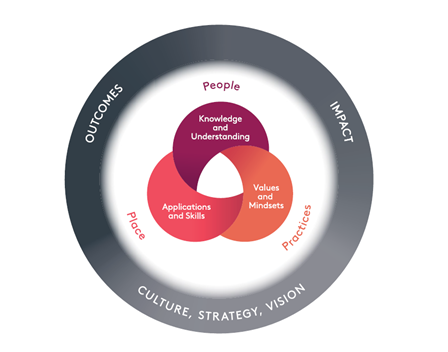
Figure 1: Framework for Leading in Higher Education | Advance HE
So how, if at all, does the Framework answer my initial question?
The Framework directly addresses the 'who and what' in relation to 'People, Place, and Practices' recognising that leaders engage with staff, students, internal and external stakeholders. The outer layer, Culture, Strategy and Vision, reminds us to consider how we think about people. Outcomes prompt us to consider deliverables like performance and quality, financial sustainability, employability, curriculum quality and relevance, student and staff attraction, retention and progression, partnerships and collaboration that make a difference as they impact individuals and the institution. Impact highlights the difference we make individually and collectively through the value the institution brings to its community, sector and the wider society. The inner attributes prompt us to think critically about leading and feeding in HE. For example, the Framework recognises the importance of self-leadership: growing through reflective practice, continually learning and self-accountability and frames our values and mindsets as inclusive, ethically and purpose driven.
As an educational leader in Professional Services, I am committed to fostering an inspirational, welcoming and inclusive culture in which all can thrive and reach their full potential (Strategy 2031). In 2026, The Academy's Educational Leaders Network (ELN) will be facilitating networking events for SFHEA, PFHEA, NTF and CATE colleagues to connect with and learn from each other to build capacity to lead and feed in HE. Also, if you are curious about PFHEA, in 2026, we will be hosting a community of practice to help colleagues develop and evidence relevant inclusive practice and strategic leadership.
We are pleased to announce our first ELN guest speakers in 2026, Professor Gita Seghi (PhD, PFHEA, NTF, FRSC), APVC for Education (S&E) and Dr Tunde Varga-Atkins (PhD, PFHEA, NTF) Senior Educational Developer, (Digital Education, CIE) will give a presentation on AI in Education. Participants will have the opportunity to engage with an overarching strategy for AI in Education that underpins both Curriculum 2027 and the Liverpool Strategy 2031. Further details of the event will be announced shortly.
If you would like to know more about the Framework for Leading in HE, Advance HE will be providing CPD events later in 2026.