How you'll learn
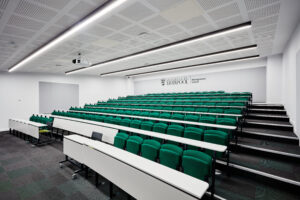
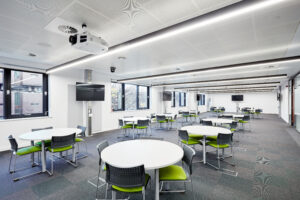
Modules are taught using the latest active learning techniques including business simulations, real-world case studies, interactive participation software, and lecture capture.
The principal forms of teaching are lectures and seminars, with most taught sessions normally being supported by additional resources such as hand-outs and online materials accessible via the virtual learning environment (Canvas). Seminars give the opportunity for detailed discussion of a topic under the direction of a tutor. You are normally expected to prepare work in advance of the taught sessions and you may also be expected to present work or give presentations.
Following semester two you will complete either a project or a business simulation in the area of operations and/or supply chain management, with the support of an academic supervisor. This will require evidence of in-depth mastery of research techniques, the ability to assemble and analyse data and the evaluation of outcomes and results. All projects/business simulations will investigate specific problems in the field of operations and supply chain management, and propose solutions to these contemporary issues
Teaching time will account for an average of 10 hours per week and you should anticipate an additional 12 hours of self-directed study.
How you're assessed
In semesters one and two, you will take modules totalling 120 credits. The business simulation or project completed during the summer period is worth 60 credits and students will be supported by their academic supervisor.
Students are required to complete 180 credits to achieve a full MSc.
Subject to meeting specific criteria outlined by the University, students will graduate with a Pass, Merit or Distinction.
Assessment tasks are varied and some may be designed specifically to meet the learning outcomes of a particular programme of study, but students can expect to be assessed via coursework, essay, group work, presentations, case studies, negotiation exercises, reports and examinations. The weighting of individual components will vary from one module to another. All assessment information is included within the module specification.
Liverpool Learning Framework
At Liverpool, we take a distinctive approach to education through the Liverpool Learning Framework. This means teaching that is engaging, inclusive and designed to help you succeed during your studies and beyond.
You’ll develop specialist subject knowledge alongside the skills employers value most, including:
- Digital fluency
- Confidence
- Global citizenship
Our curriculum is characterised by the three Liverpool Hallmarks:
- Research-connected teaching - learning informed by the latest ideas and discoveries
- Active learning - taking part, applying knowledge and learning by doing
- Authentic assessment - assessments designed around real-world tasks and challenges
We also embed key priorities across our curriculum, including AI literacy, employability, and sustainability, helping you prepare for the future and make a positive impact in the world.
We’re committed to creating a supportive and inclusive learning environment where every student can thrive.